
Plants
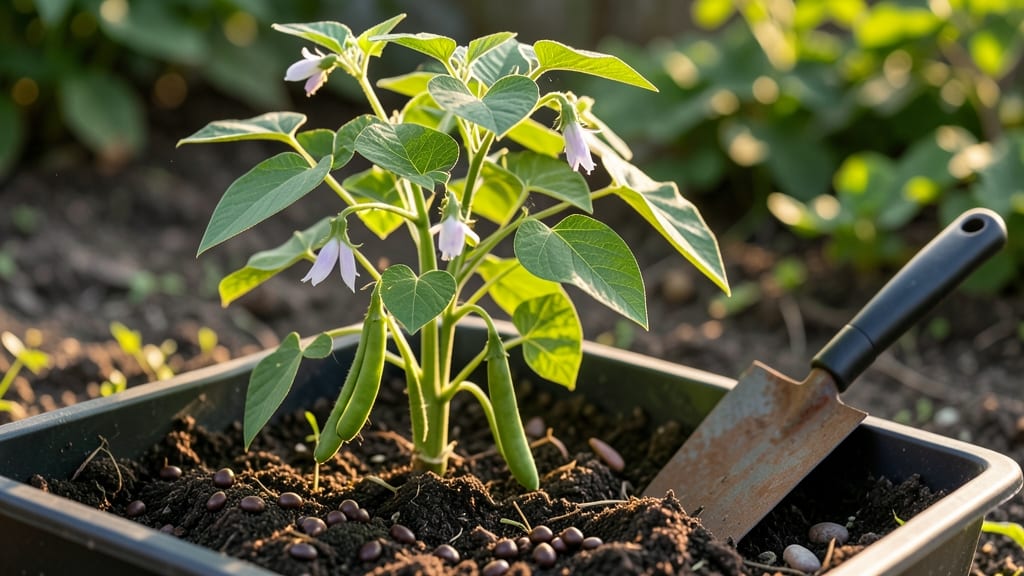
Planting beans in North Carolina at the right time ensures a bountiful harvest 🌱 — and missing the window can leave you with stunted plants or no yield at all.
Timing your bean planting in North Carolina can mean the difference between a thriving harvest and wasted seeds—especially with the state's diverse microclimates and unpredictable spring weather.
From the Coastal Plain to the Mountains, frost-free dates shift dramatically, meaning what works in Raleigh might fail in Asheville. Below, I’ll break down the exact planting windows for your county, plus soil temperature tricks to give your beans a head start.
You’ll also discover how to adjust for late frosts, droughts, or early heat—plus the best varieties for each region to maximize your garden’s potential.
North Carolina bean planting zones: frost-free dates by county
North Carolina's diverse geography—from the Coastal Plain to the Mountains—creates wildly different planting windows for beans. While Southern counties like Brunswick can start as early as March 1, Western counties like Cherokee wait until May 1 to avoid frost damage.
Understanding these frost-free deadlines ensures your pole beans, bush beans, and lima beans thrive.
Beans need warm soil (at least 60°F) and consistent temperatures above 50°F at night. Planting too early risks cold soil stunting or frost-killed seedlings.
Below, I’ve broken down last frost dates by region, correlated with USDA hardiness zones, so you can pinpoint the perfect window for your county.
🌱
| Region | USDA Zone | Last Frost Date | Ideal Planting Window | Notes |
|---|---|---|---|---|
| Coastal Plain (e.g., Brunswick, Carteret) | 8a-8b | March 1 - March 15 | March 15 - April 30 (Spring) / August 15 - Sept 15 (Fall) | Humid; watch for fungal diseases |
| Piedmont (e.g., Raleigh, Durham, Charlotte) | 7a-7b | March 15 - April 1 | April 15 - May 15 (Spring) / Aug 1 - Sept 1 (Fall) | Moderate climate; versatile for all bean types |
| Mountains (e.g., Asheville, Boone, Cherokee) | 6a-7a | April 15 - May 1 | May 1 - June 1 (Spring) / Aug 15 - Sept 1 (Fall) | Cooler nights; prefer early-maturing varieties |
| Sandhills (e.g., Richmond, Scotland) | 7b-8a | March 10 - March 25 | March 25 - April 20 (Spring) / Aug 10 - Sept 10 (Fall) | Well-drained soil; drought-resistant varieties recommended |
| Tidewater (e.g., Norfolk, Virginia Beach) | 8a-8b | February 28 - March 10 | March 1 - April 15 (Spring) / Aug 1 - Sept 1 (Fall) | Salty air; flush soil with fresh water if near coast |
For pole beans, which take longer to mature (60-80 days), start seeds indoors 4-6 weeks before your last frost date if you’re in cooler zones (USDA 6a-7a). In warmer Southern counties (USDA 8a-8b), you can direct-sow as early as March 15 for a spring harvest.
Bush beans, which mature faster (50-60 days), are more forgiving. They tolerate soil temperatures as low as 55°F, making them ideal for succession planting every 2 weeks through June 1 in most regions. In the Mountains, wait until May 1 to avoid frost.
Lima beans, especially baby lima varieties, thrive in hotter conditions and can handle Southern NC’s summer heat. Plant them after May 15 in Coastal Plain areas or June 1 in higher elevations. They’re perfect for fall harvests if sown in August.
🌿
Pro tip: Use black plastic mulch in cooler zones to warm soil faster, or row covers for early plantings. In Southern counties, prioritize shade cloth during peak summer to prevent pod blight.
Always check your local NC State Extension office for county-specific frost date updates, as microclimates can shift these windows by 1-2 weeks.
For example, Asheville’s last frost often hits April 15, but a frost pocket in nearby Weaverville might delay planting until May 1. Pay attention to nighttime lows—beans wilt at 32°F and die below 28°F.
☀️
Best bean varieties for North Carolina’s climate and when to start them
North Carolina’s diverse climate zones demand the right bean varieties and precise planting timing. From the Coastal Plain’s heat to the Mountains’ cooler springs, choosing the right type ensures a bountiful harvest. Heat-tolerant varieties thrive in Southern counties, while early-maturing types suit the shorter growing seasons of Western NC.
For spring planting, start seeds indoors 4-6 weeks before your last frost date (typically mid-March to early April in most regions). Fall planting should begin mid-August to allow pods to mature before the first frost. Southern counties can extend planting into early June for second crops.
Here’s how to match top-performing varieties to NC’s growing conditions:
| Variety | Type | Days to Maturity | Best Planting Time | Heat Tolerance | Notes |
|---|---|---|---|---|---|
| Blue Lake | Bush | 55-60 days | April 15-May 15 | Moderate | Great for Piedmont region; uniform pods |
| Contender | Pole | 50-60 days | April 1-May 10 | High | Ideal for Southern counties; heat-resistant |
| Fordhook Lima | Bush | 70-80 days | April 15-June 1 | Moderate | Best for cooler Mountain zones; larger pods |
| Rattlesnake | Pole | 60-70 days | April 10-May 15 | Very High | Top choice for Coastal Plain; thrives in heat |
For Southern NC counties, prioritize heat-tolerant varieties like Rattlesnake or Contender. These handle temperatures above 90°F without bolting. In Mountain regions, opt for Fordhook Lima or Blue Lake to avoid frost damage before maturity.
Direct-sow seeds when soil reaches 60°F+—use a soil thermometer to confirm. In cooler zones, start seeds indoors 4-6 weeks early and transplant after last frost. For fall harvests, plant by August 15 to ensure pods mature before November’s first frost.
Always rotate planting locations yearly to prevent soil-borne diseases. Add compost-rich soil before planting to boost nutrient levels, especially for nitrogen-loving beans. Mulch with straw to retain moisture during NC’s hot summer months.