
Plants
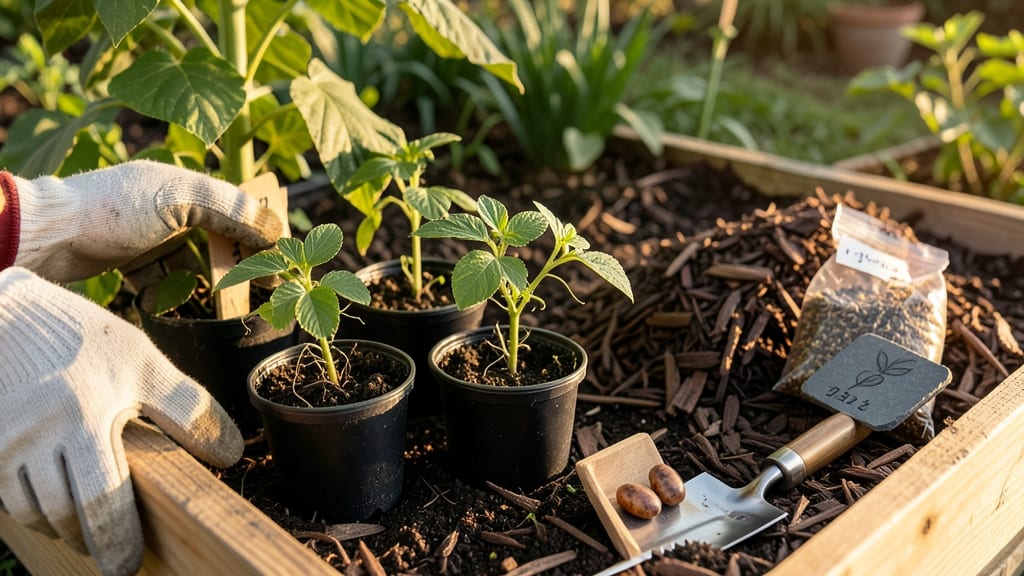
Planting beans in Seattle after the last frost—typically mid-April—sets you up for a fast, productive harvest before summer’s end.
Seattle’s unpredictable weather can turn your bean plants into a gamble—but timing them right ensures a bountiful harvest. Learn the exact windows for planting green beans, lima beans, and pole beans to avoid frost damage and maximize growth.
With Zone 8a’s mild springs and cool summers, beans need the right start: soil at 60°F+ and protection from late frosts. The key is planting after April 15, when the risk of frost drops sharply, and again in August for a fall crop.
In this guide, you’ll discover the best varieties for Seattle’s short season, how to extend harvests with row covers, and the fastest ways to get your beans from seed to table—no guesswork.
Seattle’s last frost dates and bean planting windows by type
Seattle’s cool, wet springs and unpredictable frost dates make timing your bean planting a critical skill. The average last frost date hovers between March 15 and April 15, but microclimates—especially near Puget Sound—can delay frost until mid-April.
Planting too early risks frost damage, while waiting too long shortens the harvest window.
Beans thrive in warm soil (minimum 60°F) and full sun. In Seattle’s Zone 8a/8b, this means waiting until after the last frost when soil temperatures consistently reach 65°F or higher. For most gardeners, this translates to late April to early May for spring plantings.
Here’s a quick breakdown of soil temperature and planting windows for Seattle’s most popular bean types:
| Bean Type | Optimal Planting Window | Soil Temp Requirement | Days to Harvest | Notes |
|---|---|---|---|---|
| Bush Beans | April 20 – June 1 | 60–65°F | 50–60 days | Compact, great for containers; harvest all at once. |
| Pole Beans | May 1 – June 15 | 65–70°F | 60–70 days | Needs trellis; produces longer; succession plant. |
| Lima Beans | June 1 – July 15 | 70–75°F | 70–90 days | Heat-loving; plant late for longer harvest. |
| Fall Planting (All Types) | August 1 – September 15 | 60°F+ | Varies | Use row covers; harvest before first frost (~Nov 15). |
Bush beans are the most forgiving for Seattle’s cool springs. They germinate quickly in 60°F soil and mature faster than pole beans, making them ideal for early spring plantings. Start seeds indoors 4–6 weeks before your last frost date if you’re eager to get a jumpstart.
For pole beans, wait until late April or early May when soil warms to 65°F+. These vining plants need more heat to thrive and produce heavy yields. If you plant too early, they’ll stunt or rot in cold, damp soil—a common issue in Seattle’s wet springs.
Lima beans are the most heat-dependent of the bunch. In Seattle, they’re best planted in late spring to early summer (June 1–July 15) when soil temperatures consistently hit 70°F+. These beans won’t tolerate cool nights, so avoid planting them before Memorial Day unless you use row covers.
Don’t overlook fall planting for a second harvest! Beans planted in August or early September can produce pods well into October or November, provided you protect them from early frosts with lightweight row covers. Lima beans, in particular, benefit from late-season warmth.
Pro tip: Use a soil thermometer to monitor temperatures. In Seattle, morning soil temps can lag behind air temps by 5–10°F, so check before planting. If your soil is below 60°F, wait a few more days—patience prevents poor germination.
Seattle’s microclimates play a huge role. Gardens near Lake Washington or Puget Sound may experience later frosts (up to mid-April), while inland areas like Ballard or West Seattle often warm up faster. Adjust your planting dates based on your local frost history.
Once planted, keep soil consistently moist but not soggy—beans hate waterlogged roots. In Seattle’s rainy season, use raised beds or containers to improve drainage. Mulch around plants to retain moisture and regulate soil temperature, which is especially helpful during cool, cloudy stretches.
With the right timing, you’ll enjoy fresh beans from July through October—or even longer with fall plantings. Happy growing! 🌱
How to extend the growing season for late-harvest beans in Seattle’s cool climate
Seattle’s Zone 8a/8b climate and cool, wet springs can shorten your bean harvest—but with the right strategies, you can push your harvest 2-3 weeks later than average. The key is combining cold-hardy varieties, season extension tools, and smart planting techniques to beat frost and maximize growth.
Even after the last frost date (March 15–April 15), late-season beans can still thrive if protected. I’ve used row covers and succession planting to harvest beans as late as mid-October, defying Seattle’s early frost risks. Here’s exactly how to do it:
- 🌱 Start with cold-hardy varieties: Choose ‘Kentucky Wonder’ pole beans or ‘Tendergreen’ bush beans—they tolerate 50°F soil temps better than most.
- 📅 Plant in late August for a fall harvest. Soil stays warm longer near south-facing walls or black plastic mulch.
- 🛡️ Use row covers (like Reemay fabric) after September 1 to delay frost by 2–3 weeks.
- 🌡️ Monitor microclimates: Areas near driveways or buildings stay 5–10°F warmer at night—ideal for late beans.
- 🌱 Succession plant every 2 weeks from June–August for staggered harvests. Even if some fail, others will thrive.
One of my biggest mistakes was skipping the soil warming trick—laying down black plastic mulch 2 weeks before planting in August raises soil temps by 10°F, speeding germination.
For pole beans, I stake them 6 feet tall and train them along a trellis near a sunny wall to capture extra heat.
Don’t forget to harvest aggressively in late September. Beans left on the vine won’t ripen fully in cool temps, but regular picking encourages new pods. I’ve even harvested green beans in October by covering plants with clear plastic tunnels on chilly nights.
For extra insurance, pair beans with companion plants like corn or radishes—they improve soil structure and deter pests. Just avoid planting near onions or garlic, which stunt bean growth. With these tricks, you’ll turn Seattle’s short season into a bean bonanza!