
Plants
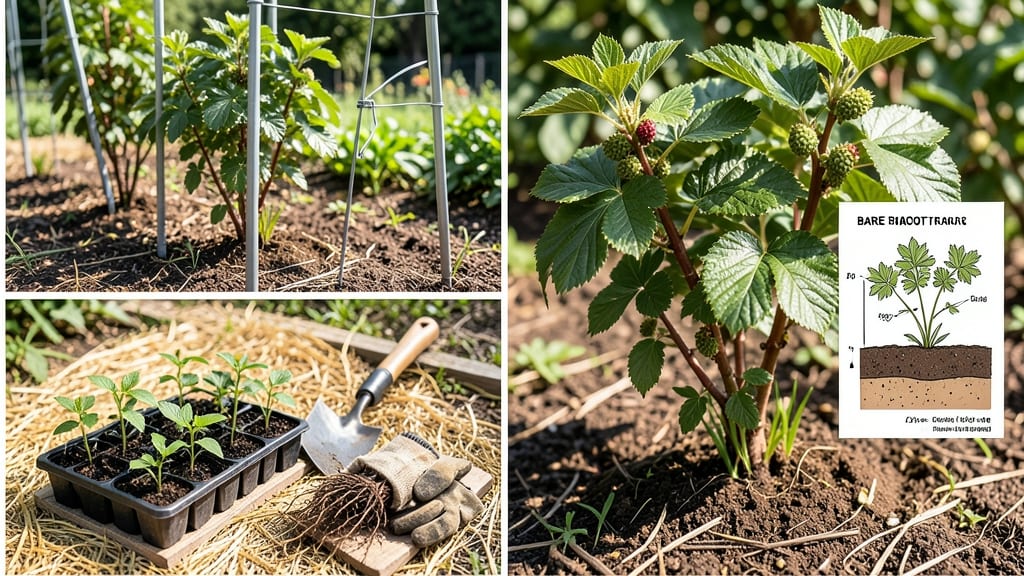
Plant blackberries in Alabama between late winter and early spring to align with the state’s chill-hour needs and frost-free deadlines.
Alabama’s humid climate and unpredictable frost dates make timing your blackberry planting critical—get it wrong, and your bushes could struggle or even die before bearing fruit.
Most Alabama gardeners in zones 7a-8b should aim for February or March, when soil temperatures rise but late frosts still pose a threat. This window ensures your 🫐 blackberries establish roots before the heat of summer arrives.
Below, I’ll break down the exact chill-hour requirements for your variety, how to adjust for North vs. South Alabama frost risks, and the 3 key steps to protect young plants once they’re in the ground.
Alabama blackberry planting zones: chill-hours & hardiness map
Alabama’s USDA zones 6b-8a create a unique challenge for blackberry growers—our mild winters and hot summers demand careful variety selection and precise planting timing.
Unlike northern states, chill-hour requirements (400-1,000 hours below 45°F) determine which blackberry types thrive here, while last frost dates vary by 100+ miles from North to South Alabama.
For example, primocane varieties like 'Natchez' (500 chill hours) produce fruit on new growth, making them ideal for Alabama’s Zone 7b-8a. Meanwhile, floricane types like 'Triple Crown' (800 chill hours) need cooler winters to fruit reliably.
Planting outside these chill-hour ranges can lead to poor fruit set or no harvest at all.
To calculate your local frost-free dates, use Alabama’s USDA frost calculator (available at Alabama A&M Extension)—counties like Madison (Zone 7a) average last frosts by March 10, while Mobile (Zone 8a) typically sees frost by January 20.
Planting 4-6 weeks before your average last frost gives roots time to establish before summer heat arrives.
For primocane varieties, aim to plant in late winter (January-February) so canes have 6-8 weeks to root before spring growth begins. Floricane types, which fruit on second-year wood, should go in November-December to maximize winter chilling.
Both types need well-draining soil—Alabama’s clay-heavy soils often require amendments like compost or sand to prevent root rot.
Pro tip: Use black plastic mulch in early spring to warm soil faster—this gives Zone 7a growers an extra 2-3 weeks of planting time compared to bare soil. Just remember to remove it by late May to prevent overheating.
If you’re in North Alabama (Zones 6b-7a), consider row covers for late frosts—temperatures can drop 15°F+ overnight in March. For South Alabama (Zones 7b-8a), focus on shade cloth during summer to protect fruit from sunscald.
One common mistake? Planting bare-root canes too late. In Zone 8a, planting after March 15 risks heat stress before roots establish. Always check the cane condition—healthy roots should be moist but not mushy, and buds should be swollen but not green.
For container growing, use 5-gallon pots with drainage holes—this works well in Zone 8a where winter dieback is rare. Move containers to sheltered locations if frost warnings appear, even in mild zones.
Remember: Alabama’s humidity and heat mean blackberries need consistent moisture. Mulch with straw or pine needles to retain soil moisture and suppress weeds—this is especially critical in drought-prone areas like Central Alabama.
Best planting months in Alabama: frost dates by region
Alabama’s diverse climate means blackberry planting windows vary dramatically from north to south. In North Alabama (USDA Zones 6b-7a), like Madison or Huntsville, your last frost typically arrives by mid-March, giving you a November to February window for planting.
Meanwhile, South Alabama (Zones 7b-8a), including Mobile or Dothan, often stays frost-free until late February or March, pushing ideal planting to February or early March. Even a few weeks difference can mean the difference between thriving bushes and frost-killed canes!
I’ve planted blackberries in both regions, and I can’t stress enough how local frost data matters. The Alabama Cooperative Extension System tracks frost dates county-by-county—check their frost-free date maps before digging in.
For example, Jackson County (North Alabama) has a 30% chance of frost in early March, while Baldwin County (South Alabama) rarely sees frost after mid-February. Timing is everything!
| Region | Last Frost Date | Ideal Planting Window | Risk of Late Frost | Best Varieties |
|---|---|---|---|---|
| North Alabama (Zones 6b-7a) | Mid-March | November–February | High (30% chance in March) | Arapaho, Ouachita, Chester |
| Central Alabama (Zones 7a-7b) | Late February–Early March | December–February | Moderate (20% chance in late Feb) | Natchez, Prime-Ark 45, Triple Crown |
| South Alabama (Zones 7b-8a) | Late February–March | February–Early March | Low (5% chance after Feb 15) | Apache, Choctaw, Navaho |
If you’re in North Alabama, aim to plant by late January to give roots time to establish before spring warmth triggers growth. Use row covers or cold frames if planting in November to shield young canes from unexpected frosts.
In South Alabama, you’ve got more flexibility—planting in February works well, but avoid waiting until March, as summer heat arrives quickly and can stress newly planted bushes.
Adjust your timing if you see unpredictable weather forecasts. For instance, 2023’s late-March frost in Huntsville caught many gardeners off guard—covering plants with burlap or frost cloth saved countless blackberry bushes. I always keep a frost watch app handy (like Farmer’s Almanac) to track alerts.
When in doubt, err on the side of earlier planting—blackberries tolerate cooler soil better than they handle summer heat stress.
For thornless varieties, like Triple Crown or Prime-Ark 45, plant in December or January across most of Alabama.
These types need 400-600 chill hours, so getting them in the ground early ensures they’ll fruit well. Thorny varieties, like Ouachita, can handle slightly later plantings but still benefit from an early start.
Always amend soil with compost and choose a sunny, well-draining spot—blackberries hate soggy roots!
Pro tip: Soak bare-root canes in water for 2-4 hours before planting to reduce transplant shock. After planting, mulch heavily with straw or pine needles to protect roots and retain moisture. In South Alabama’s heat, I’ve seen blackberries planted in March struggle by June—don’t wait too long!
With the right timing, you’ll be harvesting juicy blackberries by late spring—worth every bit of planning! 🫐