
Plants
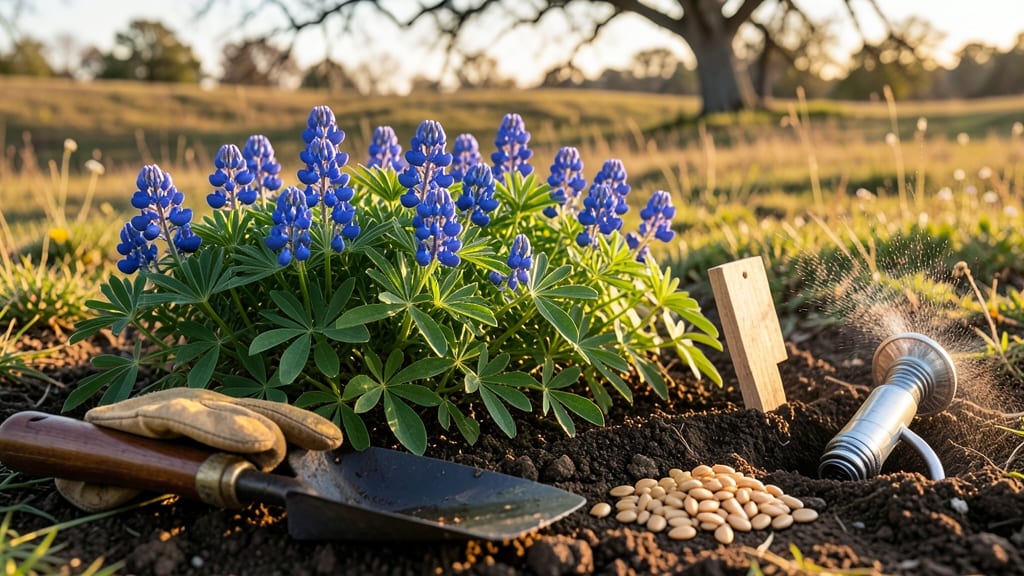
Plant bluebonnet seeds in South Texas between late December and early February to catch the sweet spot between frost risk and spring heat 💜 — a window that turns your fields into a sea of blue by March.
South Texas gardeners know the struggle—plant bluebonnet seeds too early, and frost kills them; too late, and you miss the stunning spring carpets of blue. Timing is everything for these iconic Texas wildflowers, and late winter holds the key to success.
Here’s the secret: scatter seeds after the first frost (usually mid-November to early December) but before the soil warms past 60°F in late February. That’s when bluebonnets wake up from their cold stratification and race toward those dreamy spring blooms.
Below, I’ll walk you through the exact planting window by region, soil prep tricks to beat South Texas’ dry spells, and how to tell when your seeds are ready to burst into color—no guesswork, just vibrant results.
Optimal South Texas bluebonnet planting timeline by month
Timing your bluebonnet seeds correctly in South Texas means the difference between a vibrant spring display and wasted effort. Unlike northern Texas, our USDA Zones 9a-10a offer a 3-month window from November through February—each month with unique advantages and risks.
The key is planting when soil temperatures hover between 60°F and 70°F—warm enough for germination but cool enough to avoid premature sprouting before spring rains arrive. Coastal areas like Corpus Christi can plant slightly later than inland San Antonio or Edinburg, thanks to milder winters.
November is ideal for inland South Texas (San Antonio, Edinburg) after the first frost—typically mid-to-late November. The cold stratification from winter chill breaks seed dormancy, ensuring synchronous germination in spring. Coastal areas like Corpus Christi can wait until early December when soil temps stabilize above 58°F.
December offers the sweet spot for most regions, with lower frost risk and soil temperatures perfect for seed viability. Plant after a light frost event (around 32°F) to trigger natural stratification. Avoid planting before December 1 in inland areas—early frosts can kill tender seedlings.
January is your last chance for coastal plantings, where milder winters delay frost until February. Inland gardeners should focus on soil prep this month rather than planting, as heat waves can cause seeds to sprout too soon. Use shade cloth if temps exceed 70°F during germination.
February plantings are high-risk, high-reward. By this month, spring rains are imminent, but soil may dry out quickly. Plant early February (before 80°F soil temps) and mulch heavily to retain moisture. Coastal areas can extend planting until mid-February, while inland zones should stop by February 15.
Regional microclimates matter! Corpus Christi can plant 2–3 weeks later than San Antonio due to coastal moderation. Inland areas near Edinburg experience colder nights, so prioritize well-drained slopes to prevent waterlogged soil during winter rains.
Pro tip: Scatter seeds directly on minimally disturbed soil—bluebonnets don’t need deep planting. A light raking to cover seeds with ¼-inch soil is all they need. Avoid fertilizing; bluebonnets thrive in poor, rocky soil just like their wild counterparts.
Remember, patience is key. Seeds may not sprout until spring rains arrive 2–3 months later. The wait pays off with carpet-like blooms from March through May—worth every late-winter effort!
Late winter planting tips: how to maximize bluebonnet success in South Texas
Late winter offers South Texas gardeners a critical window for planting bluebonnet seeds. Unlike northern regions, our mild winters and warm soils create ideal conditions for germination before spring rains arrive. The key is preparing your soil and seeds properly to ensure strong root establishment before the heat of summer.
Bluebonnets thrive in well-draining soil with minimal competition from grasses. Start by clearing your planting area of weeds and tilling the top 2-3 inches of soil to loosen it. This helps seeds make contact with moisture-rich layers while preventing waterlogging that can rot delicate seedlings.
⚠️ WARNING: Timing is Critical for South Texas Bluebonnets ⚠️
When scattering seeds, aim for a shallow depth of just 1/8 inch below soil surface. Bluebonnets need light to germinate, so avoid burying them deeper. Space seeds 6-12 inches apart in rows 18 inches apart for optimal air circulation and sunlight penetration.
A light mulch layer (straw or leaves) helps retain moisture without smothering seeds.
Moisture control is paramount during late winter planting. Water seeds gently but thoroughly immediately after planting, then maintain consistent dampness (not sogginess) until germination occurs in 2-4 weeks.
Use a fine mist setting on your hose or watering can to avoid disturbing seeds. Once seedlings emerge, reduce frequency to every 7-10 days unless experiencing drought.
Post-planting care focuses on protecting young plants from unpredictable South Texas weather. Monitor for late frosts (common in February) and cover seedlings with lightweight frost cloth if temperatures dip below 32°F.
As plants reach 2-3 inches tall, thin them to 12 inches apart to reduce competition. This encourages stronger stems and more abundant blooms come spring.
Remember that bluebonnets are perennials that self-seed prolifically. By establishing strong roots now, you'll create a self-sustaining wildflower meadow that returns year after year. The first year's blooms may be modest, but each subsequent spring will reward you with vibrant blue carpets that define Texas landscapes.