
Plants
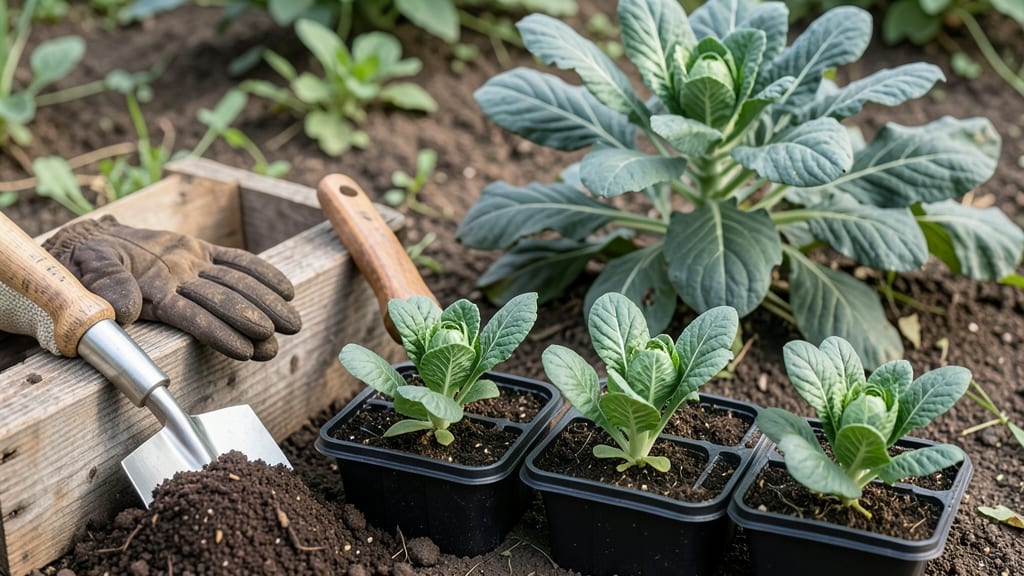
To plant Brussel sprouts in Virginia, aim for mid-March to early April for spring or late July to early August for fall—timing that aligns with your zone’s last frost dates.
Brussel sprouts 🥦 thrive in Virginia’s cool climate—but planting them at the wrong time can mean bitter disappointment instead of a bountiful harvest. Timing is everything for this frost-loving crop, and missing the window by even a few weeks can shorten your growing season dramatically.
Whether you’re in the Coastal Plain, Piedmont, or Mountains, the key is understanding your local frost dates. Too early, and the heat will bolt your plants before they mature. Too late, and winter will cut the season short. Here’s how to get it right every time.
You’ll learn the exact 8-10 week window before your first frost, whether to start seeds indoors or sow directly, and how to adjust for Virginia’s microclimates—so you end up with a garden full of crisp, flavorful sprouts instead of empty rows.
Virginia’s ideal planting windows for Brussel sprouts: frost dates and soil temperatures
Brussel sprouts are one of my favorite cool-season crops for Virginia gardens because they actually taste sweeter after a light frost. But timing your planting is critical—get it wrong, and you’ll either have stunted plants or bolting before harvest.
Virginia’s USDA zones 5b-8a create unique planting windows, and understanding your last frost date is the key to success.
Most Virginia gardeners focus on two planting windows: early spring (for a fall harvest) and mid-summer (for a winter harvest). However, the exact dates shift depending on whether you’re in Zone 6a (like Roanoke) or Zone 8a (like Norfolk).
For example, Zone 6a’s last spring frost typically arrives around April 15, while Zone 8a sees it as early as March 15.
Here’s the golden rule: Brussel sprouts need 80-120 days to mature, so you must plant 8-10 weeks before your first frost. In Virginia, that means starting seeds indoors 4-6 weeks before transplanting or sowing directly outdoors when soil temperatures hit 40°F.
Let’s break down the exact windows for each zone.
Notice how the soil temperature for direct sowing increases as you move toward Zone 8a. Warmer coastal areas can handle slightly higher temps, but Zone 5b-6a gardeners should wait until soil reaches 40°F to avoid stunted growth.
I always test soil temperature with a soil thermometer—it’s a small investment that pays off with healthier plants.
For fall planting, aim to have mature plants by October so they can sweeten in the cool weather. In Zone 6a, that means starting seeds by July 15, while Zone 8a gardeners have until July 10.
The key is to avoid planting too late—if your plants bolt before frost, you’ll miss the harvest entirely.
Pro tip: Use row covers or cold frames to extend your growing season. I’ve had success keeping my Brussel sprouts producing well into December by protecting them from hard frosts. Just remember to remove covers during the day for ventilation and prevent rot.
If you’re unsure about your exact frost dates, check the Virginia Cooperative Extension’s frost calendar or use a microclimate tool to adjust for local conditions. For example, gardens near rivers or lakes may experience later frosts than inland areas.
Finally, always amend your soil with compost before planting—Brussel sprouts thrive in well-draining, slightly acidic soil (pH 6.0-7.0). A quick soil test in early spring will tell you if you need to adjust pH or add organic matter
How to adjust planting times for Virginia’s microclimates: Coastal vs. Piedmont vs. Mountain regions
Virginia’s diverse geography means your Brussels sprouts planting schedule should vary dramatically depending on whether you’re in Coastal Plain, Piedmont, or Mountain regions. Coastal areas like Norfolk experience milder winters, while higher elevations like Roanoke face earlier frosts.
These differences can shift your planting window by 4-6 weeks, so let’s break down the specifics for each microclimate.
Coastal Virginia (USDA Zones 7b-8a) enjoys earlier last frost dates—typically around March 15—giving you a head start. In contrast, Mountain regions (Zones 6a-7a) often see their last frost near April 15, delaying your planting by several weeks.
The Piedmont falls somewhere in between, with April 1 as a general guideline. Understanding these variations helps you avoid bitter, underdeveloped sprouts.
Key adjustment tip: Coastal gardeners can start Brussels sprouts from seed indoors by February 15, while Mountain gardeners should wait until March 15. For direct sowing, Coastal areas can plant outdoors by March 1, while Piedmont waits until March 15 and Mountains until April 1. These staggered timelines ensure your plants mature before winter sets in.
For fall harvests, Mountain regions have the latest window—up to September 1—while Coastal areas must plant by August 1 to avoid heat stress. This staggered approach lets you extend your harvest by planting two batches: one in spring and another in early summer.
For example, Coastal gardeners might sow seeds indoors on February 15 and July 1 for two harvests.
Don’t overlook microclimates within regions. A sheltered valley in the Mountains may frost later than exposed slopes, while urban heat islands in Richmond can push back last frosts by a week.
Use a local frost calendar or plant a test crop like radishes to confirm your exact frost dates. Adjust your Brussels sprouts schedule accordingly to maximize your harvest potential.
Pro tip: Coastal gardeners can experiment with overwintering plants by mulching heavily after the first frost. This protects mature sprouts from light freezes and may extend your harvest into December.
Mountain gardeners, however, should prioritize early-maturing varieties like ‘Long Island Improved’ (85 days) to ensure a harvest before hard frosts arrive.