
Plants
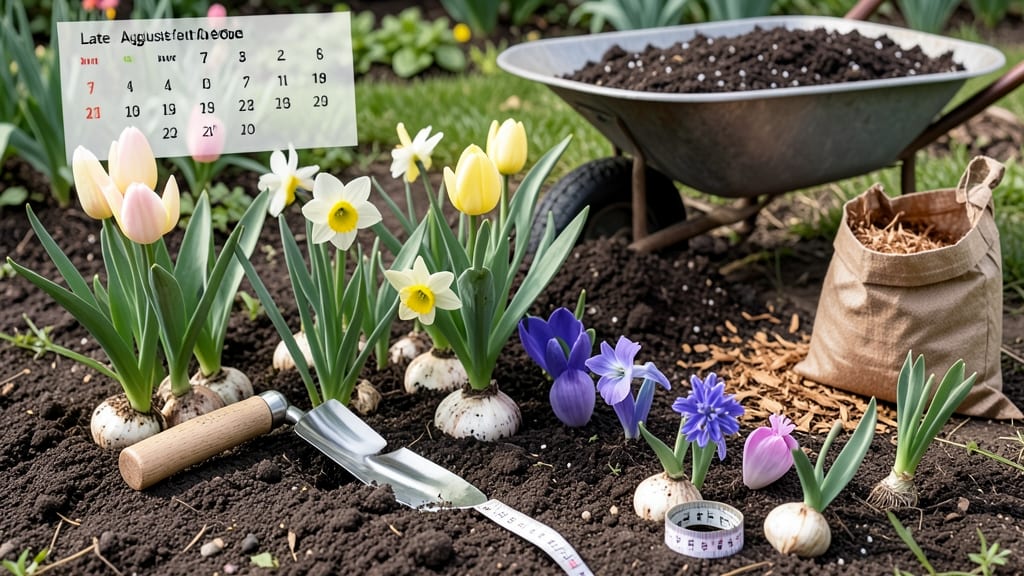
Planting bulbs in Zone 7b during fall is the secret to vibrant spring blooms—and missing that window means weaker roots and fewer flowers next year.
Picture this: you’ve spent hours digging, spacing, and dreaming of next spring’s colorful display, only to realize you planted too late. The ground freezes before roots establish, and your bulbs never bloom. That’s why timing matters so much in Zone 7b, where frost can strike as early as mid-November.
Fall planting isn’t just about throwing bulbs into the ground—it’s about giving them 6-8 weeks to root before winter sets in. In Zone 7b, that means aiming for October or early November, depending on your last frost date.
But not all bulbs are created equal: daffodils and tulips thrive with this schedule, while crocuses and alliums have slightly different needs.
In this guide, I’ll walk you through the exact planting timeline for Zone 7b, the best bulbs to choose, and a simple checklist to ensure your garden wakes up with bold, healthy blooms—no guesswork required.
Optimal fall planting timeline for Zone 7b bulbs
Planting bulbs in Zone 7b requires precision—too early, and they’ll rot; too late, and they won’t establish roots before winter. The key is timing: aim for 6-8 weeks before your first frost, typically between mid-October and early November.
This window ensures bulbs like tulips and daffodils develop strong roots while avoiding winter dormancy risks. For fall-blooming bulbs like crocuses, plant slightly earlier, around September, to give them a head start.
Zone 7b’s average first frost date is November 15, but this can vary by 1-2 weeks depending on microclimates. Check your local USDA frost calendar and adjust accordingly. For example, if your area tends to freeze earlier, plant tulips by late October.
Conversely, if winters are mild, you might extend planting into early December—but avoid planting when soil temperatures drop below 40°F.
Here’s the month-by-month breakdown for planting both spring-flowering and fall-blooming bulbs in Zone 7b, including soil prep tips and frost considerations:
| Month | Bulb Type | Planting Window | Soil Temp | Key Notes |
|---|---|---|---|---|
| September | Fall-bloomers (Crocus, Allium) | Early Sept - Mid-Sept | 50-60°F | Plant 3-4 weeks before frost for early blooms |
| October | Spring-flowering (Tulips, Daffodils) | Mid-Oct - Late Oct | 45-55°F | Ideal for root growth before winter |
| November | Late-season Tulips, Hyacinths | Early Nov (before frost) | 40-50°F | Avoid planting if soil is frozen |
| December | None (Dormancy) | — | Below 40°F | Bulbs enter dormancy; mulch for protection |
| January-February | Spring replanting (if missed) | Late Feb (after last frost) | 50°F+ |
Zone 7b-specific bulbs: best choices and planting depth guideZone 7b’s mild winters and warm summers create the perfect climate for cold-hardy bulbs that thrive with minimal fuss. The key to success lies in selecting native-friendly varieties and planting them at the right depth and spacing—too shallow, and they’ll rot; too deep, and they’ll struggle to bloom. My top picks include daffodils, alliums, and crocuses, which handle Zone 7b’s 200 frost-free days like champions. For spring bloomers like tulips and hyacinths, aim for 6-8 weeks before your first frost (typically late October to early November). Fall-blooming crocuses and alliums can go in slightly later—even as late as December in milder microclimates. The secret? Well-draining soil and a slightly acidic pH (6.0-7.0) to prevent rot during winter’s occasional thaw cycles. When planting, use the "finger rule": insert your middle finger into the soil beside the bulb hole—it should reach the bulb’s base when planted at the correct depth. For large bulbs like daffodils, aim for 6-8 inches deep, while smaller crocuses only need 3-4 inches. Space them according to their mature size to avoid overcrowding, which invites pests and diseases. Pro tip: mix compost or bone meal into the soil at planting time for a nutrient boost that encourages strong root growth. Mulch with 2-3 inches of straw or shredded leaves after planting to insulate bulbs from freeze-thaw cycles and retain moisture. Just avoid piling mulch directly against the bulbs—keep it 1-2 inches away to prevent rot. Zone 7b’s mild winters mean some bulbs, like tulips, may need vernalization (a cold period) to bloom well. If your winters are unusually warm, consider chilling bulbs in the fridge for 6-8 weeks before planting. For long-term success, rotate bulb varieties yearly to prevent soil-borne diseases from building up. Remember, spring bloomers need 6-8 weeks of cold to trigger flowering, while fall bloomers like crocuses can handle shorter chilling periods. Adjust your planting timeline if your Zone 7b area experiences early or late frosts—local weather patterns matter more than the USDA zone alone. With these depth and spacing guidelines, your bulbs will reward you with bold, reliable blooms year after year. |