
Plants
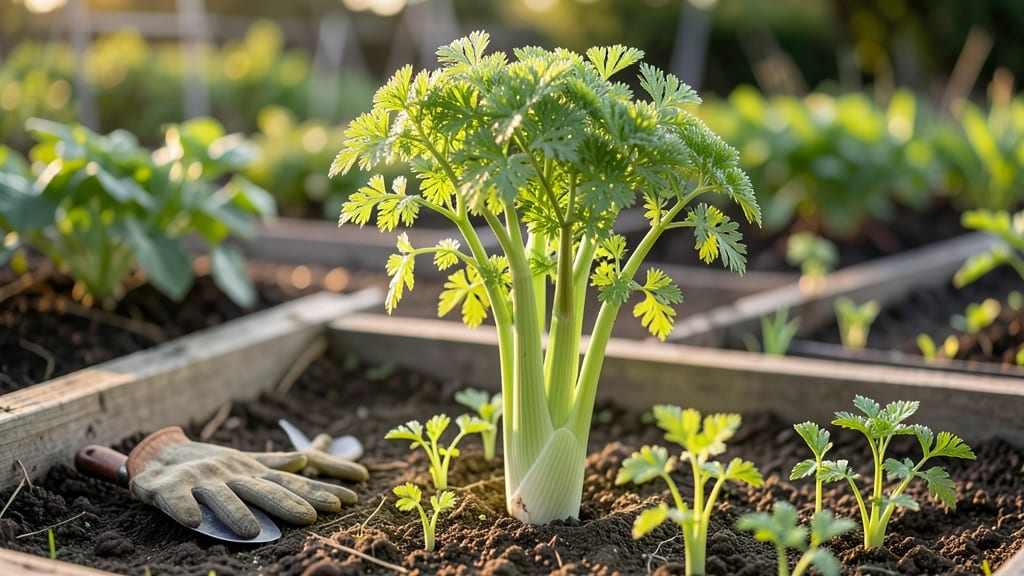
To plant celery in Ohio at the perfect time means avoiding bolting and ensuring crisp, flavorful stalks all season—here’s the exact window for your zone.
Ohio’s frost dates can turn your celery crop from a crisp harvest into a sad, wilted disappointment—but timing it right guarantees bold, flavorful stalks all season long. Whether you’re starting seeds indoors in March or transplanting outdoors in May, the key is patience and precision.
Celery thrives in cool weather, so planting too early risks frost damage, while waiting too late can trigger bolting.
In USDA Zone 6a, your best bet is to begin seeds indoors 10-12 weeks before your last frost (around April 15), then transplant seedlings once soil warms to at least 50°F.
Below, I’ll break down the two ideal planting windows for Ohio, soil prep tips, and companion plants to maximize your harvest—plus how to avoid the most common mistakes that ruin celery crops.
Ohio’s frost dates and ideal celery planting windows
Ohio’s diverse climate means last frost dates can vary by 10-14 days between northern and southern regions, making precise timing critical for celery success.
In northern Ohio (e.g., Cleveland, Toledo), the average last frost date is around April 25-30, while southern Ohio (e.g., Cincinnati, Columbus) typically sees frost-free conditions by April 15-20. These differences directly impact your celery planting windows—get them wrong, and you’ll risk frost damage or bolting before harvest.
Celery thrives in cool weather and struggles with both extreme heat and early-season frosts. The key is planting when soil temperatures reach 50°F+ and nighttime lows stay above 40°F.
Ohio’s two ideal planting windows—early spring (March-April) and late summer (August-September)—align with these temperature thresholds to maximize your crisp, flavorful harvest before winter sets in.
| Region | Last Frost Date | First Frost Date | Spring Planting Window | Fall Planting Window |
|---|---|---|---|---|
| Northern Ohio (Cleveland, Toledo) | April 25-30 | October 10-15 | March 15-April 1 (indoors); May 1-15 (outdoors) | August 1-15 (transplant seedlings) |
| Southern Ohio (Columbus, Cincinnati) | April 15-20 | October 20-25 | March 1-April 1 (indoors); April 15-May 1 (outdoors) | August 15-September 1 (transplant seedlings) |
For spring planting, I recommend starting celery seeds indoors 10-12 weeks before your region’s last frost date. This gives seedlings a head start and ensures they’re hardy enough for transplanting once soil temperatures stabilize.
In northern Ohio, this means sowing seeds by mid-March, while southern Ohio gardeners can begin slightly later, around early March. Transplant outdoors when nighttime temperatures consistently stay above 50°F—usually late April to early May.
The fall planting window is equally important for extending your harvest into October. Seedlings should be transplanted outdoors 8-10 weeks before the first frost, which translates to early August in northern Ohio and mid-August in southern Ohio.
This timing allows celery to mature before cold snaps arrive, delivering crisp stalks when fresh produce is scarce. Just be sure to choose cold-hardy varieties like ‘Tall Utah’ or ‘Prism’ for fall success.
Celery seeds won’t germinate in soil colder than 50°F, so direct sowing outdoors is risky in Ohio’s climate. Instead, I always start seeds indoors under grow lights or on a sunny windowsill.
Use seed-starting mix and keep soil consistently moist (not soggy) to encourage germination, which typically takes 14-21 days. Once seedlings have 2-3 true leaves, they’re ready for hardening off before transplanting.
Ohio’s humid summers can stress celery, causing it to bolt prematurely or develop bitter flavors. To mitigate this, I prioritize partial shade (especially in afternoon sunlight) and consistent moisture. Mulching with straw or shredded leaves helps retain soil moisture and keeps roots cool.
Additionally, avoid planting celery in low-lying areas where cold air pools, as this can delay growth and increase frost risk.
Pro tip: Use black plastic mulch to warm soil faster in spring, which can shave 1-2 weeks off your transplanting timeline. This is especially useful in northern Ohio, where cooler soils delay planting. Just remember to remove the mulch before harvest to avoid contaminating your celery stalks.
Pairing celery with companion plants like bush beans or lettuce also improves yields by deterring pests and optimizing space in your garden.
If you miss the spring window, don’t despair—fall planting can be just as productive. The key is to transplant seedlings early enough that they mature before first frost. In my experience, August 1-15 is the sweet spot for northern Ohio, while southern gardeners have until mid-September.
For both seasons, I recommend succession planting every 2-3 weeks to ensure a continuous harvest and minimize gaps in your kitchen garden.
Always monitor your local extended weather forecast—Ohio’s unpredictable late frosts can throw off even the best-laid plans. If a late frost
Step-by-step Ohio celery planting guide by month
Timing your celery planting in Ohio is all about avoiding late frosts and summer bolting. Celery thrives in cool soil temperatures (50-70°F) and needs 120-150 days to mature. Here’s how to align your planting with Ohio’s climate zones for maximum yield.
Northern Ohio gardeners (like in Cleveland or Columbus) should start seeds indoors by late February, while southern Ohio growers (near Cincinnati or Dayton) can begin slightly later in early March. Transplant outdoors only after your last frost date, which typically falls between April 15-30.
📅 Ohio Celery Planting Timeline
- February-March (Indoors): Start seeds 10-12 weeks before last frost in seed trays with well-draining soil. Keep under grow lights (12-14 hours/day) at 65-70°F.
- April (Outdoors): Harden off seedlings for 7-10 days before transplanting after soil reaches 50°F. Space plants 12-18 inches apart in partial shade.
- May-June (Succession Planting): Sow additional seeds indoors for a fall harvest. Transplant these outdoors in early July for a late-season crop.
- July-August (Care): Mulch heavily to retain moisture and prevent bolting. Water deeply every 2-3 days—celery hates drying out!
- September-October (Harvest): Harvest when stalks reach 10-12 inches with tight, crisp heads. Avoid cutting too low to encourage regrowth.
Ohio’s humid summers can cause celery to bolt prematurely. To prevent this, choose slow-bolting varieties like ‘Tall Utah’ or ‘Golden Self-Blanching’, and always plant in partial shade (e.g., under a dappled tree canopy or 50% shade cloth).
Companion planting is key! Pair celery with carrots (they deter aphids), onions (repel slugs), or beans (fix nitrogen in the soil). Avoid planting near tomatoes or peppers, which compete for nutrients and attract similar pests.
For container gardening, use large pots (at least 12 inches deep) with organic-rich potting mix. Water containers daily in summer, as they dry out faster than in-ground beds. A self-watering system can save time and ensure consistent moisture.
Remember: Celery is a cool-season crop, so plan for two planting windows—spring and fall—to enjoy fresh harvests all year. With these Ohio-specific tips, you’ll avoid the bitter, woody stalks that plague poorly timed plantings! 🥬