
Trees
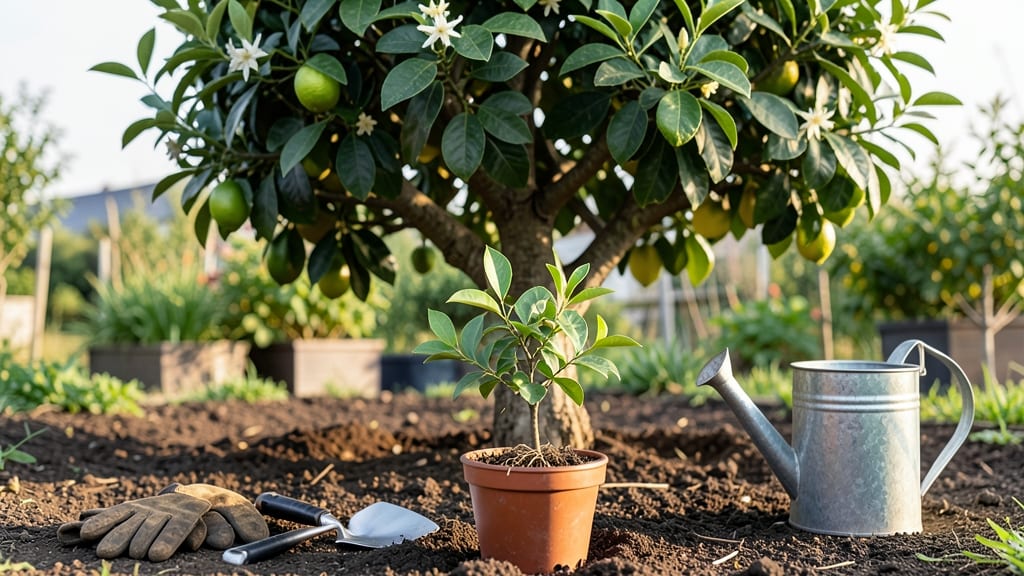
Planting citrus trees in Arizona during November through March gives them the best shot at thriving in the desert heat 🍊—a window that avoids scorching summer temps and lets roots establish before the real dry spell hits.
Arizona’s desert climate demands precision timing when planting citrus trees—get it wrong, and your tree may struggle to thrive despite the sunny weather. The key is beating the heat: young roots can’t handle 100°F+ soil, and transplant shock becomes a real risk if you wait too long.
Most of Arizona’s USDA zones 9b-11 are frost-free year-round, but even a light chill in higher elevations can damage tender citrus. That’s why fall and winter planting—when daytime highs dip into the 60s-70s—is the sweet spot for both in-ground and container trees.
Below, I’ll walk you through the exact months to plant, how to prep your soil (even in rocky desert conditions), and the one critical watering trick that makes the difference between a struggling sapling and a thriving tree.
Best months to plant citrus trees in Arizona for optimal survival
Arizona’s mild winters and intense summers create a unique window for planting citrus trees. Unlike northern climates, frost isn’t the limiting factor—instead, soil temperatures and transplant shock from extreme heat dictate the best timing.
Planting outside these ideal windows can lead to stunted growth or even death, despite Arizona’s reputation for citrus-friendly conditions.
Citrus trees thrive when planted during cooler months when soil temperatures stay below 85°F. This allows roots to establish before the 100°F+ summer heat arrives. In Arizona, the optimal planting window spans from November through March, with December and January being the absolute best months for most regions.
Here’s why timing matters so much: Citrus trees are tropical/subtropical plants that struggle with heat stress during establishment. Planting in late spring or summer forces young trees to contend with high evaporation rates and limited soil moisture, increasing the risk of root burn and leaf scorch.
Even drought-tolerant varieties like Mexican lime or Calamondin orange need time to acclimate.
Arizona’s microclimates further complicate timing. Low desert areas like Phoenix and Tucson (USDA zones 9b-11) can plant year-round with minimal risk, but transition zones (e.g., Prescott) and high desert (e.g., Flagstaff) require adjustments.
For example, Flagstaff’s cooler nights (zone 7a) allow for spring planting as early as March, while Yuma’s extreme summer heat demands fall planting by October.
| Planting Window | Ideal Soil Temp | Arizona Regions | Key Considerations |
|---|---|---|---|
| November | 60–75°F | Low Desert (Phoenix, Tucson) | Best for bare-root trees; soil is warm enough for root growth. |
| December | 55–70°F | All regions (safest month) | Cooler temps reduce transplant shock; minimal pest activity. |
| January | 50–65°F | Low Desert, Transition Zones | Risk of light frosts in high desert; protect young trees. |
| February | 60–75°F | Low Desert, Coastal Areas | Soil warms up; ideal for container-grown trees. |
| March | 70–80°F | High Desert (Flagstaff), Transition Zones | Last safe month before summer heat stress begins. |
| April | 80–90°F | Low Desert (high risk) | Only for established trees; new plantings risk root burn. |
| October | 75–85°F | Coastal, Yuma | Early planting for dwarf varieties; monitor for aphids. |
If you must plant outside these windows, container-grown trees offer more flexibility. They can be planted in late spring (April-May) as long as you provide shade cloth and daily watering for the first 30 days.
However, bare-root trees planted in summer often fail due to rapid moisture loss and poor root establishment.
For container planting, the rules are slightly different. Containers heat up faster than soil, so aim to plant 2–4 weeks earlier than in-ground trees. Use light-colored pots to reflect heat and self-watering systems to maintain moisture. Dwarf varieties like
How Arizona’s climate zones impact citrus planting success
Arizona’s diverse climate zones create dramatically different conditions for citrus trees. In the Low Desert (Phoenix/Tucson), year-round warmth allows planting almost anytime, while the High Desert (Flagstaff) faces cold snaps that demand precise timing.
Even transition zones require special attention to microclimates and water availability. Understanding these differences ensures your citrus thrives in its new home.
Citrus trees love Arizona’s sun but struggle with temperature extremes and poor drainage. The Low Desert’s 100°F+ summers and High Desert’s 20°F winters create opposite challenges. Transition zones—like Prescott—combine both risks. By matching your planting strategy to your zone, you’ll avoid transplant shock and maximize fruit production.
In the Low Desert, citrus trees can handle year-round growth, but planting in fall or winter gives roots time to establish before summer’s intensity. Use drip irrigation to prevent water waste, and avoid planting during 100°F+ heat, which causes transplant shock.
My Meyer lemon thrived when planted in December—just 6 weeks after I amended the soil with compost and sand.
Transition zones like Prescott require late-spring planting to escape late frosts. Here, microclimates matter—plant near south-facing walls to capture warmth. Use mulch to protect roots from 20°F dips, and choose cold-hardy varieties like Satsuma mandarins. I’ve seen neighbors’ trees die from unexpected frost—always monitor local forecasts!
The High Desert’s short growing season demands container planting for flexibility. Move potted trees indoors during winter or use row covers for protection. Water deeply but reduce frequency in winter—citrus trees here enter dormancy naturally.
My container-grown calamondin survives Flagstaff winters with minimal care, proving containers work if you plan ahead.
No matter your zone, soil drainage is non-negotiable. Citrus roots rot in soggy soil, so raise beds or add gravel to clay-heavy areas. In the Low Desert, I’ve seen root rot kill trees planted in compacted soil—always test drainage before planting.
For extra insurance, use well-draining citrus mixes in containers.
Citrus trees reward careful planning with year-round fruit. By matching your strategy to Arizona’s zones, you’ll avoid common pitfalls like frost damage or heat stress. Start with the right timing, and your tree will thrive—whether you’re in Phoenix’s heat or Flagstaff’s chill. Happy planting! 🍊🌱