
Plants
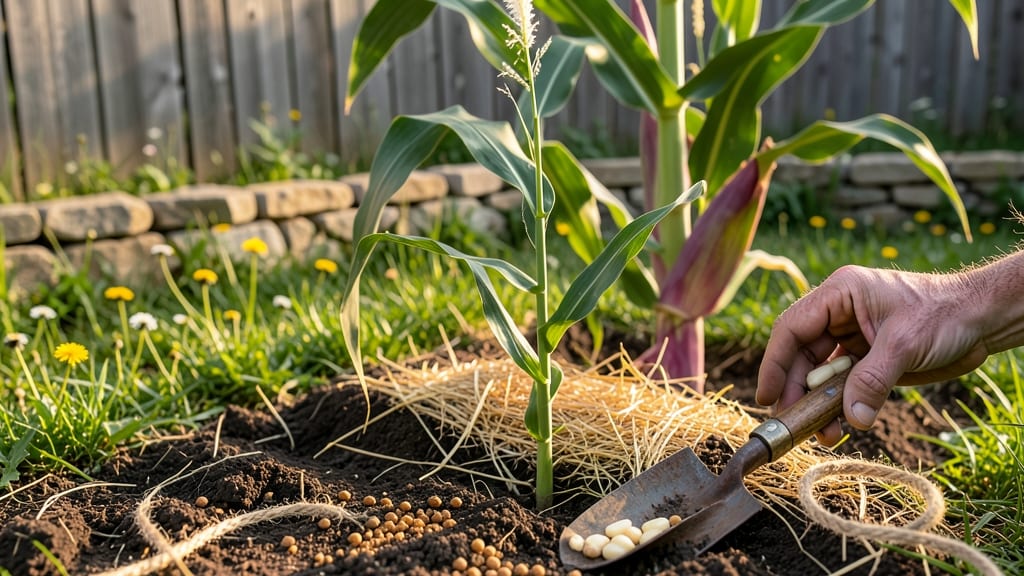
Planting corn in Georgia at the right time means the difference between a bountiful harvest of sweet, juicy kernels and a disappointing flop 🌽.
Georgia’s warm climate and long growing season make it ideal for corn—but timing is everything. Plant too early, and a late frost could wipe out your crop. Wait too long, and the heat arrives before the ears even form. I’ve seen both happen, and neither is pretty.
Most Georgia gardeners aim to plant between mid-April and mid-June, but the exact window depends on your USDA zone (7b-9a) and whether you’re growing sweet corn, field corn, or popcorn.
The key is waiting until the soil reaches 60°F and at least two weeks after your last frost date—no exceptions.
In this guide, I’ll break down the week-by-week deadlines for your region, how to adjust for microclimates, and the three biggest mistakes that ruin Georgia corn harvests every year. Let’s get those seeds in the ground at the perfect moment.
Georgia’s frost-free planting deadlines by week for corn success
Georgia’s diverse climate means North GA and South GA have different frost-free deadlines for planting corn. In the northern mountains (USDA Zone 7b), the last frost typically hits mid-March, while the coastal plains (Zone 8a) rarely see frost after early February.
This variation directly impacts your planting window for sweet corn, field corn, and popcorn varieties.
To maximize yields, aim to plant corn when soil temperatures consistently reach 60°F—this usually aligns with 2 weeks after the last frost. In Georgia, that translates to mid-April to mid-June for most varieties.
Early plantings (before April 15) risk frost damage, while late plantings (after June 15) may not mature before fall frosts.
| Region | Last Frost Date | Optimal Planting Window | Soil Temp Threshold | Corn Variety |
|---|---|---|---|---|
| North GA (Zone 7b) | Mid-March | April 15 - May 15 | 60°F+ | Sweet corn (Silver Queen), Field corn |
| Central GA (Zone 8a) | Early March | April 1 - May 30 | 60°F+ | Popcorn (Golden Bantam), Sweet corn (Peaches & Cream) |
| South GA (Zone 8b) | Late February | March 20 - June 15 | 55°F+ | Sweet corn (Early Sunglow), Field corn |
| All Regions | N/A | July 1 - August 1 (Late varieties) | 65°F+ | Drought-tolerant varieties (e.g., Bodacious) |
For early-season plantings, focus on short-season varieties like Silver Queen or Early Sunglow, which mature in 60-75 days. These are ideal for North GA where summers are shorter.
In South GA, you can push the envelope with mid-season varieties like Peaches & Cream (75-90 days) planted as late as June 15.
If you’re growing field corn or popcorn, extend your planting window into early July for a fall harvest. These varieties often take 90-100 days to mature, so planting in late June ensures they reach full size before first frost (typically mid-November).
Pro tip: Use black plastic mulch to warm soil faster in North GA or row covers to protect early seedlings from unexpected late frosts. This can shave off 1-2 weeks from your planting timeline, giving you more flexibility.
Monitor soil temperatures with a soil thermometer—corn roots won’t develop properly below 55°F. In South GA, where soil warms quickly, you can plant popcorn varieties as early as late March if temperatures stay above 60°F consistently.
For urban gardeners in cities like Atlanta or Savannah, microclimates can shift planting windows by 1-2 weeks. South-facing walls or paved areas retain heat, allowing earlier plantings. Check local NOAA frost maps or use a frost calendar app to fine-tune your schedule.
Remember: Pollination timing is critical for corn. Plant all your rows within 1-2 days to ensure tassels and silks mature simultaneously. In North GA, aim for late May plantings to align pollination with peak summer heat, while South GA gardeners can stretch this to early June.
Start seeds indoors 2-3 weeks before your target outdoor planting date if using transplants. This gives seedlings a head start, especially in North GA, where cooler springs slow germination. Use biodegradable pots to avoid root disturbance when transplanting.
By following these region-specific
How to adjust corn planting dates for Georgia’s microclimates
Georgia’s diverse geography means your neighbor’s perfect corn planting time might not work for you. Elevation, urban heat islands, and even soil type can shift ideal planting windows by weeks.
For example, mountain regions like Blue Ridge may need to wait until mid-May for safe planting, while coastal areas like Savannah can start as early as late March. These microclimate differences directly impact soil warming and frost risk, making local adjustments critical.
Start by checking the NOAA frost maps for your specific ZIP code. These maps show last frost dates with 80% accuracy, accounting for Georgia’s USDA zones 7b-9a.
For instance, Athens (Zone 8a) typically has a March 15 average last frost, while Dahlonega (Zone 7b) often waits until April 1. Planting too soon in colder microclimates risks seed rot or stunted growth.
- 🌡️ Soil temperature must reach 60°F at 4-inch depth—use a soil thermometer to verify. Cold soil delays germination by 3-5 days per degree below 60°F.
- 🏙️ Urban gardens can plant 1-2 weeks earlier than rural areas due to heat island effect. Concrete and pavement retain heat, warming soil faster.
- 🌳 Wooded or shaded areas may need to delay planting by 2-3 weeks—canopy delays soil warming by 10-15°F compared to open fields.
- 🌊 Coastal regions (e.g., Brunswick) can plant sweet corn as early as March 20 for a May harvest, while mountain regions should wait until May 1 for reliable germination.
- 🌱 Black plastic mulch can advance planting by 2-3 weeks in cooler microclimates by raising soil temperature 5-10°F. Remove mulch at tasseling stage to avoid overheating.
- 🍂 For fall harvests, plant late varieties (e.g., Silver Queen) in late June—aim for 90-day maturity before first frost. Use row covers to extend season by 2-3 weeks.
For fall harvests, Georgia gardeners can plant late-season varieties like Peaches and Cream or Bodacious in late June. These varieties mature in 90-100 days, allowing harvests through October.
To protect tender plants, use floating row covers after September 1—this can push harvests into early November in Zone 8a areas like Atlanta.
If your soil is clay-heavy (common in North Georgiacompost or sand before planting. Clay soils stay cold longer and can cause seedling rot. For sandy soils (found in South Georgia), add organic matter to retain moisture—corn needs 1-2 inches of water weekly during tasseling.
Always monitor local weather forecasts for unexpected cold snaps. For example, a 28°F dip in April can kill young corn plants. If frost threatens, cover plants with lightweight row fabric or old bedsheets secured with bricks or stakes.
This simple trick can save your crop when timing is off by just a few days.
By accounting for your specific microclimate, you’ll maximize germination rates, ear development, and overall yield. Start with small test plots if unsure—this lets you adjust timing without risking your entire garden.
With these tweaks, you’ll turn Georgia’s variable climate into an advantage for a bountiful corn harvest.