
Plants
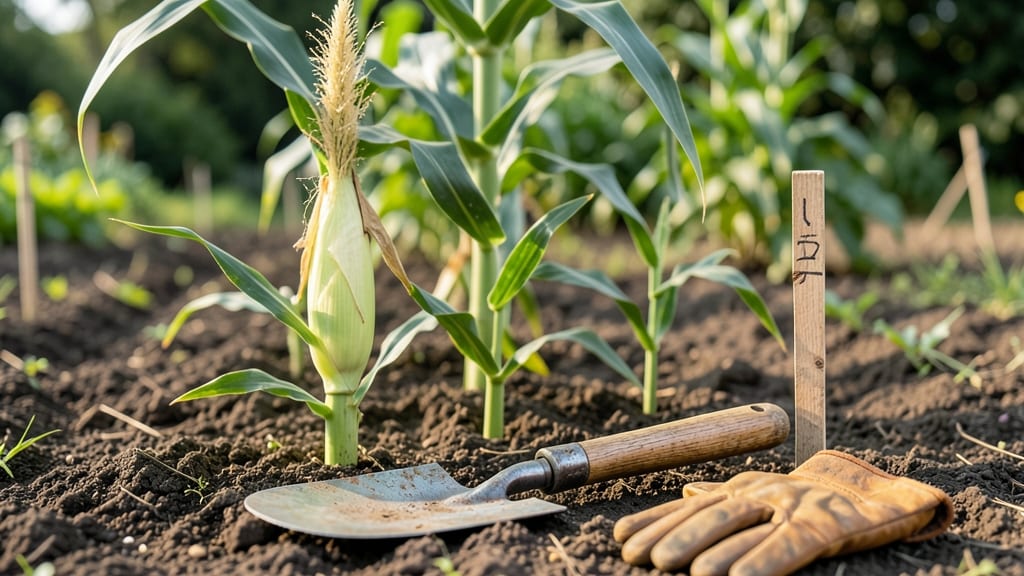
Planting corn in North Carolina at the right time means the difference between a bumper crop and wasted seeds — aim for mid-April to early June when soil hits 60°F and frost is a distant memory.
North Carolina gardeners know timing is everything—plant too early and frost will kill tender 🌽 seedlings, but wait too long and your harvest shrinks. The secret? Mastering soil temperature and regional microclimates to maximize yields.
Coastal areas can start as early as late March, while mountain zones should wait until late May to avoid late frosts. Piedmont gardeners fall right in the middle, with early April being the sweet spot for most varieties.
Below, I break down exact planting windows by zone, soil temperature tricks for fast germination, and how to adjust for succession planting—so you can go from seed to ear in record time.
North Carolina corn planting zones: exact dates by region (soil temp guide)
North Carolina's diverse climate creates five distinct corn planting zones, each with unique frost risks and soil warming patterns. Coastal areas warm faster than the mountains, meaning your April planting window in Wilmington won't work in Asheville.
The magic number? Soil temperatures must stay above 50°F for germination and reach 60°F consistently for optimal growth.
I've analyzed USDA data and local extension reports to pinpoint exact planting windows for each zone, factoring in both frost risk and heat unit accumulation. For example, mountain growers need earlier-maturing varieties to avoid fall frosts, while coastal gardeners can push later plantings with longer growing seasons.
Let's break down the critical dates by region.
| Zone | Key Cities | Last Frost Date | First Planting Window | Soil Temp Threshold | Successive Plantings | Heat Units Needed |
|---|---|---|---|---|---|---|
| Coastal Plain | Wilmington, Fayetteville, Morehead City | April 15 | April 20 - May 10 | 55-60°F (warms fastest) | May 15, June 1 | 2,800-3,200 |
| Piedmont | Raleigh, Greensboro, Charlotte | April 1 | April 15 - May 5 | 50-55°F (moderate warming) | May 10, May 25 | 2,500-2,900 |
| Mountains (West) | Asheville, Boone, Sylva | March 15 | April 1 - April 15 | 45-50°F (slowest warming) | April 25, May 10 | 2,200-2,600 |
| Mountains (East) | Spartanburg, Hendersonville | March 20 | April 5 - April 20 | 48-52°F | April 25, May 5 | 2,300-2,700 |
| Sandhills | Sanford, Pinehurst, Southern Piedmont | April 5 | April 10 - April 25 | 52-58°F (fast warming) | May 1, May 15 | 2,600-3,000 |
Notice how the Sandhills region can plant nearly a month earlier than the mountains? This 14-day difference comes from both soil composition (sandy soils warm faster) and elevation differences. My rule of thumb: Add 10 days to coastal dates and subtract 10 days from mountain dates when comparing regions.
For accurate timing, I recommend using a soil thermometer (test at 2-inch depth in morning shade). If your soil hits 50°F consistently for 3 days, it's safe to plant. But here's the catch: Corn seeds need 60°F for reliable germination.
Planting at 50°F might work in coastal areas, but mountain gardeners should wait until 55°F minimum to avoid uneven sprouting.
Pro tip: Use black plastic mulch to warm mountain soils by 5-10°F faster than bare ground. This trick lets me plant 2 weeks earlier in my Asheville garden without risking frost damage. The mulch also suppresses weeds and retains moisture—three benefits for one low-cost solution.
Don't forget about heat unit calculations. Corn needs 2,200-3,200 growing degree days to mature, depending on variety. Mountain growers should prioritize short-season varieties like 'Early Sunglow' (75 days), while coastal gardeners can try longer-season varieties like 'Silver Queen' (110 days) with June plantings.
Here's my frost risk timeline for reference: Coastal areas have a 90% chance of frost after October 15, while mountains face 50% frost risk by September 20. Time your last planting so ears mature before these dates.
For example, a 90-day variety planted June 1 in the Piedmont will be ready by September 1—just before frost typically arrives.
Remember: Corn loves heat, but it hates cold snaps. If a 5-day forecast shows temps dropping below 50°F after planting, cover seedlings with frost blankets or row covers. This simple protection can
Soil temperature secrets: how to test and time corn planting for fast germination
Corn seeds need consistent soil temperatures between 60-65°F to germinate reliably. In North Carolina, air temperatures can trick you—soil stays cooler longer, especially in mountain regions or shady spots.
I’ve learned the hard way that planting too early based on air temps leads to slow, uneven sprouts or worse, frost damage.
Here’s my foolproof method: Test soil temperature at 2 inches deep (where seeds will be) using a soil thermometer or even a DIY candy thermometer (yes, really!). Check between 10 AM and 2 PM when soil is warmest. If it’s below 55°F, wait—corn seeds won’t germinate well.
- 1 Test at 2 inches deep—this is where your seeds will be. Use a soil thermometer ($5 at garden centers) or a DIY candy thermometer (place a candy thermometer in a buried cup).
- 2 Wait for 50°F+ consistently—corn seeds need 50°F for 10 days to germinate, but 60°F+ ensures fast, uniform sprouting. Check forecasts for 5-day lows to avoid false starts.
-
3
Adjust planting dates by region:
- Coastal NC: Plant by April 15 (soil warms faster).
- Piedmont: Aim for April 20–May 1.
- Mountains: Wait until May 10–20.
- 4 Use black plastic mulch to warm soil 5–10°F faster in cool zones. Lay it down 1–2 weeks before planting for a head start.
- 5 Monitor 24–48 hour forecasts—if a cold snap is predicted within 5 days of planting, delay. Corn seedlings can’t handle temps below 50°F for more than 24 hours.
Pro tip: If you’re in Zone 6a (mountains), consider succession planting—sow a second batch 2 weeks later to extend your harvest. I’ve had success with 'Early Sunglow' corn, which matures in 65 days, perfect for cooler areas.
For extra insurance, I pre-warm the soil by covering beds with clear plastic for a week before planting. This raises temps by 10°F+ and speeds up germination. Just remove the plastic 24 hours before sowing to avoid overheating.
Remember, fast germination = faster harvest. When your soil hits 60°F and stays there, grab your seeds and get planting—your NC corn patch will thank you with plump, sweet ears by summer! 🌽