
Plants
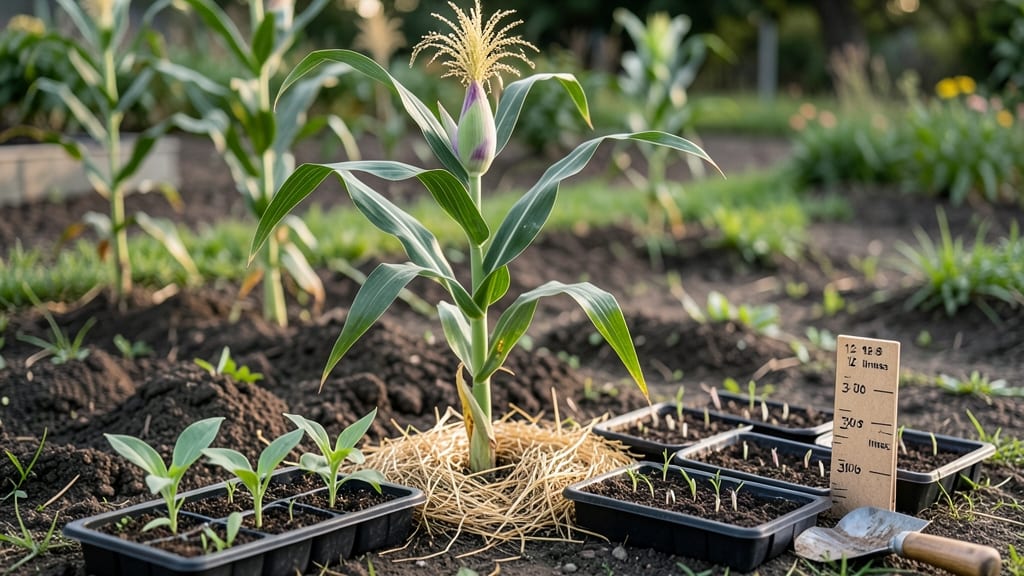
Planting corn in San Diego at the right time means the difference between golden ears and a sad, stunted crop — and the window is narrower than you think.
Here’s the catch: San Diego’s Mediterranean climate is unpredictable for corn. While frost isn’t a concern, heatwaves and coastal fog can throw off your timing. Plant too early, and you’ll waste seeds on slow starts; too late, and the summer sun will scorch your plants before they even pollinate.
Most gardeners in USDA Zone 10a swear by late spring planting (think April for inland areas and May near the coast), but the secret isn’t just the calendar—it’s soil temperature, variety choice, and a few tricks to beat the heat.
I’ll break down the exact windows, the three mistakes that kill harvests, and how to pick the best corn for Southern California’s quirks.
By the end, you’ll know not just when to plant, but how to set it up for success—so you can enjoy fresh, buttery corn straight from your garden all summer long.
Best planting windows for corn in San Diego’s climate zones
San Diego’s Mediterranean climate creates unique challenges for growing corn—hot, dry summers and mild winters mean you’ll need precise timing to avoid heat stress or poor germination. Unlike northern climates, frost isn’t a risk, but soil temperatures below 60°F can stall growth.
The key is planting when daytime highs consistently reach 70°F+ and nights stay above 55°F, which typically aligns with late February to early April for most of the region.
San Diego’s geography divides into two distinct zones: the coastal areas (like La Jolla or Del Mar) and the inland valleys (such as Escondido or Temecula). Coastal regions experience cooler, foggier conditions that delay soil warming, while inland zones heat up faster.
This means your planting window could shift by 2-3 weeks depending on where you live. For example, inland areas may be ready by early March, while coastal gardens might wait until mid-April.
Here’s the critical factor: corn seeds need soil temperatures of 60°F+ to germinate reliably. Use a soil thermometer to check—planting too early in chilly coastal soils can leave seeds sitting dormant for weeks. Pro tip: Black plastic mulch warms soil faster and can shave off 10-14 days of waiting time.
Pair this with a row cover at night to protect young seedlings from unexpected 40°F drops (yes, they happen in San Diego!).
Now, let’s talk about the spring vs. fall debate. Many gardeners assume fall planting is a backup, but in San Diego’s case, it’s often a disaster.
Corn needs 90-120 days to mature, and planting in September or October risks harvests during winter rains or cooler temps, which slow kernel development. Spring planting (March-April) gives you a 6-8 week harvest window before summer heat peaks, while fall plantings rarely mature fully before December’s chill sets in.
🌽 Comparison Table: Spring vs. Fall Planting in San Diego 🌽
If you’re planting in coastal San Diego, aim for mid-April to align with the warmest soil temperatures. Inland gardeners can start as early as late February, but monitor forecasts for Santa Ana winds, which can dry out young plants.
A windbreak made of bamboo stakes or a temporary fence can protect seedlings during these dry, gusty periods.
For heatwave adjustments, choose short-season varieties (like ‘Peaches and Cream’ at 75 days) and provide shade cloth during the hottest afternoons. Mulch heavily with straw or wood chips to retain moisture and cool root zones.
I’ve seen corn bolt (send up a tall stalk prematurely) when stressed by 90°F+ temps, so shade can be a lifesaver during July heatwaves.
One final pro tip: Succession planting every 2 weeks in March and April ensures a continuous harvest through August. For example, plant your first batch in late March, then follow up with April 15th and May 1st batches.
This staggered approach maximizes your 60–90 day maturity windows and minimizes the risk of all plants reaching harvest at once during peak heat.
Remember, soil prep is everything. San Diego’s native soil is often sandy and nutrient-poor, so amend with compost and aged manure before planting. A pH
3 Critical mistakes that kill San Diego corn harvests (and how to fix them)
Growing corn in San Diego's Mediterranean climate is tricky—especially when you're up against heatwaves and short growing seasons. Even experienced gardeners make these three common mistakes that can turn your corn dreams into dust. Let me show you how to avoid them.
First, planting too early is a surefire way to waste seeds. Corn needs warm soil (at least 60°F) to germinate properly. In San Diego, that usually means waiting until late February or early March—not January, no matter how eager you are to start.
⚠️ callout-warning
Corn seeds planted in cold soil (<55°F) rot before sprouting. Even if you're excited, wait until soil reaches 60°F+—use a soil thermometer to check. Coastal areas may need to wait until March 15th, while inland zones can start 2-3 weeks earlier.
Fix: Test soil warmth daily. If it's below 60°F, cover seeds with black plastic mulch to warm them faster.
Second, ignoring soil warmth leads to stunted growth. Corn roots struggle in cool temperatures, causing poor nutrient uptake. Even if you plant at the right time, shallow soil or high clay content can keep roots cold. Amend your soil with compost and sand to improve drainage and warmth.
Third, choosing the wrong corn varieties guarantees disappointment. Not all corn loves San Diego’s hot, dry summers. Sweet corn varieties like 'Silver Queen' or 'Peaches and Cream' handle heat better than traditional field corn. Always pick short-season varieties (60-90 days to maturity) to fit our limited growing window.
To fix these mistakes, start by testing soil temperature daily. Use a soil thermometer and wait for consistent 60°F+ readings before planting. For soil prep, mix in aged compost and perlite to improve warmth and drainage. Finally, stick to heat-tolerant varieties and plant in blocks (not rows) to ensure cross-pollination.
With these fixes, you’ll go from frustrated gardener to corn-growing pro in no time. Your first harvest of juicy, sweet kernels will be worth the wait!