
Plants
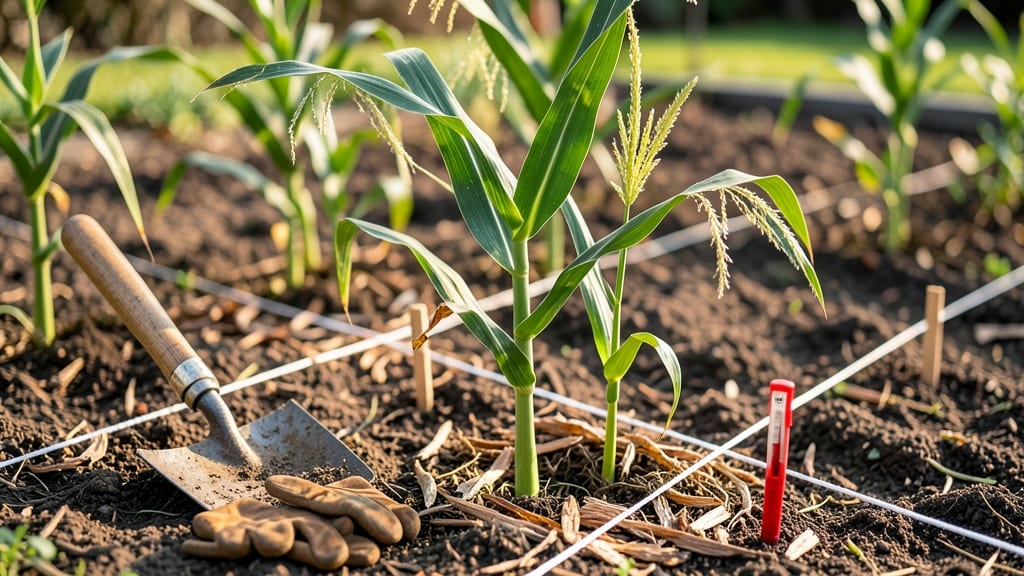
Planting corn in Tennessee after your last frost date—typically mid-April to early June—sets the stage for a bountiful harvest 🌽. If you’ve ever stared at a calendar in March, debating whether to risk an early sowing or wait for warmer soil, you’re not alone.
Tennessee’s varied climate means the perfect planting window shifts from Nashville’s Zone 6 to Memphis’ Zone 7, where even a few degrees can mean the difference between sweet kernels and starchy disappointment.
Below, I break down the exact frost-free deadlines by region, soil temperature tricks to speed up germination, and how to stretch your harvest into fall.
You’ll also discover which corn varieties thrive in Tennessee’s short season, how to avoid common mistakes like overcrowding, and when to fertilize for maximum yield—all backed by Tennessee State University Extension data.
Ready to grow corn that’s ready to harvest by late July? Let’s dive into the timeline, tools, and techniques that turn Tennessee’s summer heat into your advantage.
Tennessee corn planting deadlines by frost-free Zone (6 vs. 7)
Timing your corn planting in Tennessee hinges on two critical factors: your USDA Zone (6 or 7) and the last frost date for your specific region.
Zone 6 areas like Nashville and Knoxville typically see their last frost around March 15-April 1, while Zone 7 areas like Memphis and Chattanooga warm up slightly earlier, often by March 1.
These dates create a narrow window—just 6-8 weeks—to plant corn for a successful harvest before Tennessee’s first frost in October-November.
Corn thrives when soil temperatures consistently stay above 50°F (10°C), with ideal germination occurring at 60°F (15°C) or warmer. In Tennessee’s climate, this means waiting until late April for Zone 6 and mid-April for Zone 7.
Planting too early risks frost damage to young seedlings, while waiting too long may result in overmature ears before harvest season ends.
Here’s how the planting windows break down for early, mid, and late-season varieties in each zone, ensuring you maximize your yield regardless of where you garden in Tennessee.
For Zone 6 gardeners, focus on planting early varieties (60-70 days to maturity) like ‘Silver Queen’ by April 15 to avoid late-season frost risks.
Mid-season varieties such as ‘Peaches and Cream’ (75-80 days) should go in by May 1, while late-season types like ‘Ambrosia’ (85+ days) can be sown until June 1—but only if you’re prepared to protect them with row covers in early fall.
Zone 7 gardeners enjoy a slightly longer window.
Start with early varieties by April 1 to ensure harvests before the first frost. Mid-season plantings (like ‘Bodacious’) can go in until May 1, and even late varieties like ‘Country Gentleman’ (90+ days) have time to mature if planted by May 15.
The key is staggering plantings every 2 weeks to enjoy continuous harvests through October.
One common mistake Tennessee gardeners make is planting corn too close to the last frost date. Even if the air feels warm, soil temperatures may still dip below 50°F at night.
Use a soil thermometer to confirm readiness—corn seeds won’t germinate until the soil warms to at least 60°F. If your soil is cold, consider using black plastic mulch or a cold frame to accelerate warming.
Another pro tip: Stagger your plantings by 2 weeks for continuous harvests. For example, plant 30% of your seeds in early April, another 30% in mid-April, and the final 40% in late April. This ensures you’ll have fresh ears ready every 2-3 weeks through peak season.
Just remember, corn needs 6-8 hours of full sun daily, so choose your planting location carefully—shady spots will result in smaller ears and lower yields.
Finally, don’t forget that pollination is critical for sweet corn. Plant at least 4 rows of corn (or block plant in a square) to ensure proper cross-pollination. If you’re growing less than 4 plants, consider planting a second variety nearby to improve
How to adjust planting time for Tennessee’s microclimates
Tennessee’s varied landscapes—from the smoky mountains to the Mississippi river valleys—create unique growing conditions. These microclimates can shift planting windows by 2-4 weeks, so one-size-fits-all advice won’t work.
For example, Nashville’s urban heat islands may allow earlier planting than high-elevation Knoxville gardens. Understanding these differences helps you avoid frost damage or missed harvests.
Urban gardens often experience warmer soil temperatures due to pavement and buildings, letting you plant corn 1-2 weeks earlier than rural areas. Meanwhile, mountain regions like Sevier County may need to wait until mid-May for safe planting.
River valleys, like those near Memphis, can start as early as late March if using soil warming techniques. Adjusting your schedule based on these factors ensures your corn thrives.
Use a soil thermometer to confirm 60°F+ soil temps—critical for germination. In urban areas, plant 1-2 weeks earlier than zone guidelines. For high elevations, delay until after May 15 to avoid late frosts. River valleys can start March 20-April 1 with row covers.
Row covers and cold frames are game-changers for extending Tennessee’s growing season. In Zone 6 areas like Chattanooga, use floating row covers to plant corn 3 weeks earlier than usual. These covers protect young plants from late spring frosts while allowing sunlight and airflow.
For high-elevation gardens, a cold frame can push planting back by 2 weeks, giving you a second harvest cycle in late summer.
Soil warming techniques, like black plastic mulch or straw bales, can raise soil temperatures by 5-10°F, making early planting feasible even in cooler microclimates. Lay down mulch 2 weeks before planting to create a warmer seedbed.
This is especially useful in northern Tennessee’s Zone 6b, where frost dates can be unpredictable. Pair this with drip irrigation to maintain moisture without cooling the soil.
Don’t overlook companion planting as a microclimate hack. Planting corn alongside beans or squash improves soil fertility and provides shade, helping plants tolerate heat stress in urban heat islands. In river valleys, taller corn varieties can create microclimates of their own, protecting smaller plants from wind.
Always group plants with similar water needs to avoid stress from inconsistent moisture.
For late-season adjustments, focus on fast-maturing varieties (60-70 days) in cooler microclimates. In Zone 7’s river valleys, you can even try a fall planting of short-season corn after harvesting early crops.
Use season extension tools like low tunnels to shield plants from early autumn frosts. Monitor local weather forecasts and adjust your timeline—flexibility is key when Tennessee’s microclimates throw curveballs.