
Plants
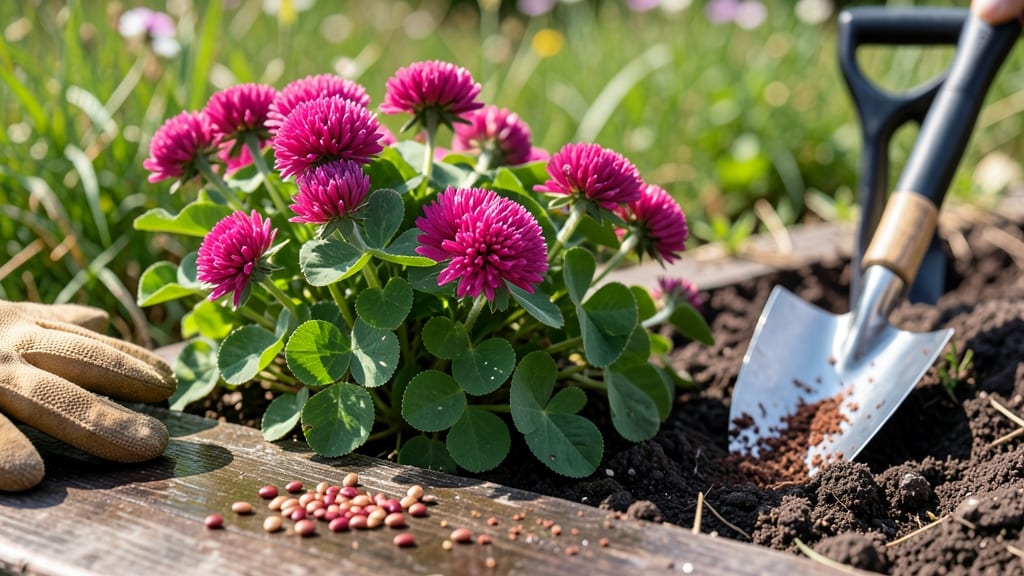
To plant Crimson Clover 🌸 in Texas at the best time means timing it right for your region’s frost dates and heat spikes—fall is the gold standard, but spring can work with adjustments.
Texas gardeners know timing is everything—plant Crimson Clover too early, and it bolts before winter; too late, and spring growth suffers. Mastering the perfect window ensures lush coverage, nitrogen-rich soil, and fewer weeds, but the exact schedule varies wildly from North to South Texas.
Fall planting (September–November) gives Crimson Clover the 6–8 weeks it needs to establish roots before winter dormancy, while spring (February–March) risks heat stress and late frosts. The key? Adjust for your USDA zone—North Texas (8a) has a shorter window than South Texas (10b).
Below, I break down the optimal planting windows by region, soil prep tips to avoid common pitfalls, and how to extend the season with shade cloth or mulch—so you get the most from this hardworking cover crop.
Optimal fall planting windows for crimson clover in Texas regions
Texas’ diverse climate means your crimson clover planting window varies dramatically from the Panhandle to the Rio Grande Valley. In North Texas, where frosts arrive by mid-November, you’ve got just a few weeks to establish roots before winter.
Meanwhile, South Texas gardeners enjoy a longer window—sometimes until December 15—thanks to milder winters. The key? Planting when soil temps drop below 85°F but before first frost hits.
Crimson clover thrives in fall planting because cooler temps slow its growth, preventing premature bolting. Aim for 60-70°F soil temperatures—ideal for germination—while avoiding heat stress that can occur if you plant too early.
In Central Texas, this typically means seeding between late September and mid-October, but exact dates shift yearly based on rainfall patterns.
Here’s the critical comparison for Texas regions, including frost dates, ideal windows, and soil temperature thresholds to maximize establishment success:
For North Texas gardeners, the 6-week window between September 15 and October 15 is non-negotiable. Plant too early, and summer heat will stress seedlings; too late, and frost can kill young plants before they establish.
Use a soil thermometer to confirm temps are in the 60-70°F range—this is your green light to sow.
In Central Texas, where first frost typically arrives by November 30, you’ve got a slightly longer window. This region benefits from cooler nights and warmer days, creating ideal conditions for crimson clover to germinate and develop a strong root system.
If you’re in Austin or San Antonio, aim for late September planting to ensure full establishment before winter.
Gardeners in South Texas enjoy the most flexibility, with some areas allowing planting until December 1. However, be cautious of unseasonable heat waves that can occur even in winter.
Monitor weekly forecasts and adjust your planting timeline accordingly. If temps spike above 85°F after seeding, provide light shade cloth to protect seedlings.
Pro tip: Test your soil before planting—crimson clover prefers slightly acidic to neutral pH (6.0-7.0). If your soil is too alkaline, amend with sulfur or peat moss 2-3 weeks before seeding. This small step ensures your cover crop thrives and delivers the nitrogen boost you’re planting it for.
Once planted, maintain consistent moisture for the first 3-4 weeks—this is when roots establish. After that, crimson clover becomes drought-tolerant, making it a low-maintenance choice for Texas winters.
By timing your planting right, you’ll have a lush, nitrogen-rich cover that suppresses weeds and prepares your soil for spring planting.
Remember: The goal is 6-8 weeks of growth before first frost. This gives your crimson clover enough time to develop a strong root system and begin fixing nitrogen in your soil—setting you up for success in the next growing season.
Spring planting considerations: risks, benefits, and alternative strategies
Spring planting of crimson clover in Texas is risky but possible with careful timing and preparation. Unlike fall planting, spring offers a shorter window for establishment before summer heat sets in.
In North Texas (USDA Zone 8a), aim for early February to early March, while South Texas (Zone 9a-10b) can push planting until late March. The key is beating the heat while avoiding late frosts.
One major risk is late frost damage. Crimson clover is frost-sensitive, and a surprise freeze can stunt young seedlings. Check your local frost date averages—North Texas often sees last frosts around March 15**, while South Texas rarely experiences frost after February.
Planting too early in North Texas could mean frost damage, while South Texas gardeners have more flexibility.
Heat stress is another critical factor. Crimson clover struggles in temperatures above 90°F, which can cause bolting (premature flowering) or even plant death. If you plant in late March, monitor soil temperatures—ideal germination occurs between 60-75°F. Use a soil thermometer to avoid planting when soils exceed 80°F.
Soil moisture challenges also arise in spring. Texas springs can bring unpredictable rainfall, leaving newly planted clover drought-stressed. Deep watering before planting and maintaining consistent moisture during germination (first 2-3 weeks) is essential. Mulching with straw or wood chips helps retain moisture and regulate soil temperature.
⚠️ Spring Planting Warning for Crimson Clover
North Texas: Plant after March 1 to avoid frost risk. South Texas: Plant before April 1 to prevent heat stress. High Plains: Use shade cloth (30-50%) if planting in late March. Gulf Coast: Prioritize soil moisture over timing—plant when soils are below 80°F.
For gardeners in drier regions like the High Plains, consider using shade cloth (30-50%) to extend the planting window into late March. This reduces heat stress while allowing seedlings to establish.
Remove the cloth once plants reach 3-4 inches tall to encourage full sun growth. In humid Gulf Coast areas, focus on well-draining soils to prevent fungal issues from excess moisture.
If spring planting fails due to weather, don’t despair—late summer (August) can be a backup window in South Texas. Plant before September 15 to allow roots to establish before winter.
However, this method is less reliable and requires extra care to prevent bolting before winter. For most Texas gardeners, fall planting remains the gold standard.
To maximize success, test your soil’s pH (6.0-7.0 ideal) and add compost or aged manure before planting. Crimson clover thrives in loamy soils but tolerates clay if amended properly. With the right preparation, spring planting can still yield a healthy cover crop—just proceed with caution! 🌱