
Plants
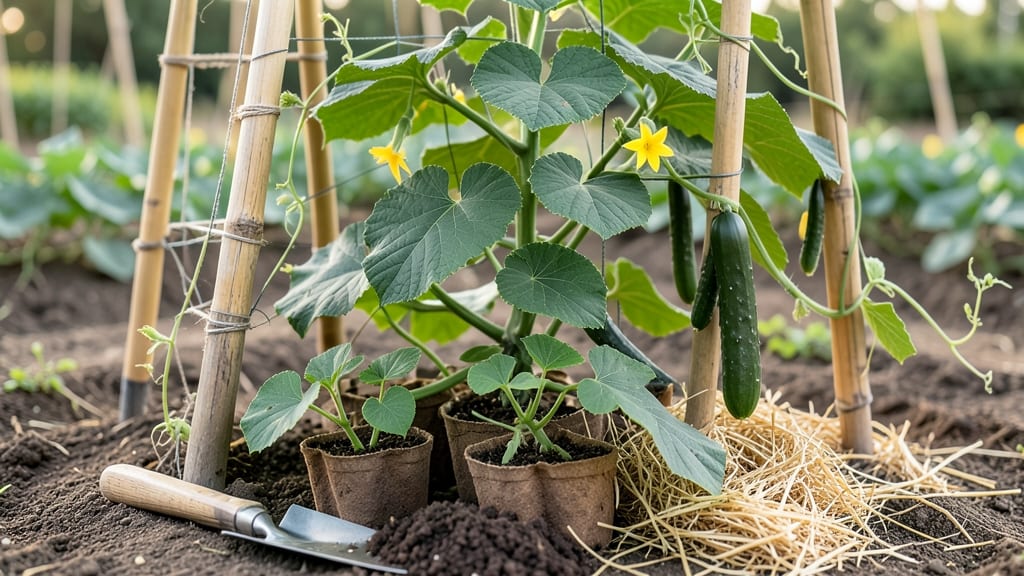
Plant cucumbers in East Tennessee when the soil reaches 60°F and all frost risk has passed — typically mid-April to early June, but don’t guess: a soil thermometer is your best friend.
East Tennessee’s unpredictable spring weather can leave gardeners guessing—plant cucumbers too early, and frost will kill them; too late, and you’ll miss the peak harvest season. The secret to success? Timing based on soil warmth, not just calendar dates.
This fast-growing veggie thrives in 6b-7a zones when given the right start, but even a few cold nights can set you back. I’ve seen cucumbers bolt in 5 days when soil temps dip below ideal, so knowing when to plant is the key to avoiding wasted effort.
Below, I’ll break down the exact soil temperature triggers, how to prep your garden for a fast start, and the best varieties to beat East Tennessee’s short growing season. Let’s get those 🥒 vines off to the right start!
Best planting dates for cucumbers in East Tennessee based on soil temperature
East Tennessee’s USDA Zones 6b-7a mean cucumbers thrive when soil warms up—typically after the last average frost date of April 15. But don’t rely solely on the calendar! Cucumbers need 60°F+ soil temperatures to germinate properly, and air temps should stay above 70°F for vigorous growth.
In my experience, planting too early risks rotten seeds or stunted plants, while waiting too late cuts harvest time short.
For direct sowing outdoors, aim for mid-April to early June—but verify soil warmth with a thermometer. In cooler microclimates like high-elevation areas (e.g., near Great Smoky Mountains), delay until late May.
Warmer valleys (e.g., Knoxville or Chattanooga) can start as early as early April if nights stay above 55°F.
If you’re starting seeds indoors, begin 4-6 weeks before your target outdoor date (around mid-March for most of East Tennessee). Use grow lights or a sunny windowsill to keep seedlings strong until transplanting. I’ve found that hardening off seedlings for 7-10 days before moving them outdoors reduces transplant shock.
| Zone/Region | Soil Temp Trigger | Ideal Planting Window | Notes |
|---|---|---|---|
| USDA 6b (High Elevation: 2,000+ ft) | 65°F+ soil | Late May – Early June | Wait for night temps above 60°F |
| USDA 7a (Valleys: Knoxville, Chattanooga) | 60°F+ soil | Early April – Mid-May | Use row covers for early starts |
| All Regions (Indoor Start) | N/A (Seedlings) | Mid-March – Early April | Transplant after last frost |
| Microclimate (Urban Heat Islands) | 58°F+ soil | Early April – Late April | Soil warms faster in paved areas |
To check soil temperature, insert a soil thermometer 2-3 inches deep in your garden bed. If it reads below 60°F, wait—cucumber seeds won’t germinate well in cooler soil. I’ve seen germination rates drop by 50% when planting in 55°F soil.
Pro tip: Black plastic mulch warms soil by 5-10°F, letting you plant 1-2 weeks earlier in cooler areas.
For container growing, use 5-gallon pots or larger and place them in sunny, sheltered spots (like near a south-facing wall). Containers heat up faster than ground soil, so you can plant 1-2 weeks ahead of ground-based gardens.
Just ensure pots have drainage holes to prevent root rot from overwatering.
Watch for false springs—those warm spells in March or early April that trick you into planting early. If night temps drop below 50°F, frost can still damage tender cucumber seedlings.
I’ve lost entire plantings after one unexpected frost, so always have a backup planting plan for late starts.
Once planted, mulch heavily with straw or shredded leaves to keep soil temps stable and retain moisture. This is especially critical in dry years or during East Tennessee’s unpredictable summer rain patterns. Consistent moisture helps cucumbers grow 20-30% faster and produce larger, straighter fruits.
If you miss the ideal window, don’t despair! Succession planting every 2 weeks through mid-June extends harvests. Choose fast-maturing varieties (like ‘Straight Eight’) for shorter seasons. With the right timing, you can enjoy fresh cucumbers from June through September—just in time for summer salads and pickling!
How to extend your cucumber growing season in East Tennessee’s short summers
East Tennessee’s summers are short and sweet, but with the right strategies, you can stretch your cucumber harvest well into fall. The average first frost date here is October 15, but with smart planning, you can push your harvest 4-6 weeks later.
The key lies in combining succession planting, protective structures, and heat-tolerant varieties to beat early frosts.
I’ve learned that even a 2-3 week extension can mean dozens of extra cucumbers for pickling, snacking, or sharing. Whether you’re using row covers, cold frames, or simply choosing the right varieties, these low-tech solutions work wonders in our USDA Zone 6b-7a climate.
Let’s explore how to maximize your harvest time without breaking the bank.
🌱 Numbered Highlights: Extend Your Cucumber Season
- 1. Succession Planting: Start new seeds every 2 weeks from May to July. This ensures a continuous harvest as older plants mature.
- 2. Use Row Covers: Lightweight floating row covers add 2-4°F protection and extend harvest by 3-4 weeks into fall.
- 3. Build a Cold Frame: A simple wooden frame with plexiglass can keep soil temps 10°F warmer than ambient air.
- 4. Choose Heat-Tolerant Varieties: Try 'Straight Eight' or 'Marketmore 76'—both thrive in 90°F+ heat.
- 5. Mulch Heavily: Straw or black plastic mulch keeps soil 5-10°F warmer and retains moisture.
For succession planting, I recommend starting seeds indoors in late April, then transplanting outdoors in early May. This gives you a 3-week head start on the first outdoor planting.
If you’re short on space, consider container growing—dwarf varieties like 'Bush Champion' produce well in 5-gallon buckets and can be moved to warmer microclimates when needed.
Row covers are my go-to for extending the season. They’re lightweight, breathable, and allow pollination by bees while protecting plants from light frosts (28-32°F). I’ve seen cucumbers thrive under row covers well into mid-October in East Tennessee.
Just remember to remove covers during pollination days (when flowers appear) to avoid bee exclusion.
Cold frames are another game-changer. A simple DIY cold frame made from a wooden box and clear plastic can keep your cucumbers growing until late October.
The secret is proper ventilation—leave one side open during daytime warmth to prevent overheating. For extra insulation, add a layer of straw mulch around the base.
Don’t overlook the power of heat-tolerant varieties. In our climate, 'Straight Eight' and 'Marketmore 76' are standouts—they handle 90°F+ temperatures without wilting and continue producing until frost. Pair these with drip irrigation to keep roots cool and consistent.
Finally, always monitor soil temperature—cucumbers need 60°F+ soil to germinate and 70°F+ air temps to thrive. Use a soil thermometer to time your plantings perfectly. With these strategies, you’ll enjoy fresh cucumbers well past Labor Day—no frost in sight! 🥒