
Plants
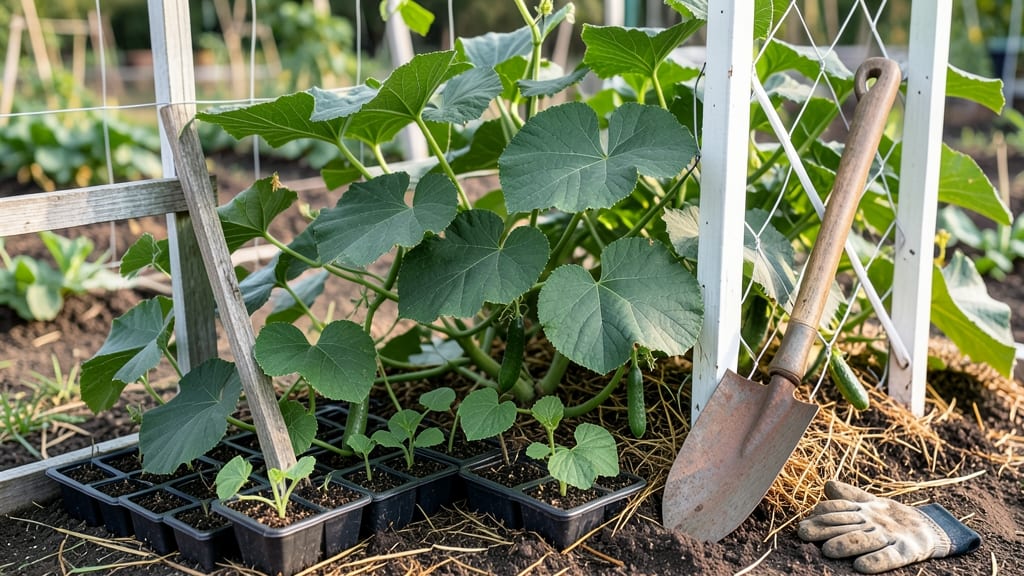
Plant cucumbers in New Jersey after your last frost date — typically between April 15 and May 31 — when soil temperatures hit 60°F for consistent germination. 🥒
New Jersey gardeners know timing is everything — plant too early, and frost will kill them; too late, and you’ll miss the peak harvest season. But with NJ’s unique microclimates (Zones 6-7), the right window can mean the difference between a bumper crop and disappointment.
Whether you’re in the cooler northern regions or the warmer southern zones, soil warmth and frost-free days are the key. Below, I’ll break down the exact deadlines by zone, plus the best varieties and planting tricks to stretch your harvest from June through September.
You’ll also learn how to use black plastic mulch to speed up soil warming, when to start succession planting for a longer harvest, and which companion plants keep pests away — all tailored to NJ’s short but productive growing season.
New Jersey’s frost-free deadlines for cucumber planting by Zone 6-7
Timing your cucumber planting in New Jersey depends on your USDA Zone and local microclimate. Zone 6 (northern NJ) and Zone 7 (southern NJ) have different last frost dates, which directly impact when you can safely plant.
Missing these windows means risking frost damage or late-season harvests. Let’s break down the exact dates and soil conditions you need to know for successful cucumber growth.
For Zone 6 gardeners (e.g., Bergen County, Sussex County), the average last frost date falls around April 20-25. However, coastal areas like Cape May may see frost-free conditions 1-2 weeks earlier.
Inland areas, like Morris County, often experience frost until May 1. Always wait until soil temperatures reach 60°F+—a soil thermometer is your best friend here.
Zone 7 (e.g., Burlington County, Camden County) enjoys a slightly longer growing season. The last frost date typically lands between April 10-15, but coastal regions like Atlantic City can be frost-free by April 1.
If you’re in a warmer microclimate, you might even squeeze in a fall planting for a late harvest.
Here’s a quick reference for your planting timeline, including soil temperature and transplant windows:
If you’re starting cucumbers indoors, begin seeds 3-4 weeks before your transplant window. For Zone 6 gardeners, that means sowing seeds by mid-April. Use biodegradable pots to avoid disturbing roots when transplanting. Harden off seedlings by placing them outdoors for 1-2 hours daily starting 1 week before transplanting.
For direct sowing, wait until soil is consistently 60°F+ and all frost risk has passed. In Zone 7, you can often direct sow as early as mid-April in coastal areas, but inland gardeners should wait until late April.
Plant seeds 1 inch deep and 2-3 inches apart, thinning to 12-24 inches apart once seedlings emerge.
Pro tip: Use black plastic mulch to warm the soil faster and suppress weeds. This can push your planting window 1-2 weeks earlier, especially in Zone 6.
Just remove the mulch before harvest to avoid soil contamination. Pair this with row covers for early plantings to protect against late frosts.
Remember, microclimates matter! A spot near a building or fence may warm up faster than your garden’s average. Test your soil temperature with a soil thermometer for 3 consecutive days before planting.
If your area is prone to late frosts, consider using a frost cloth for added protection during the first 2 weeks after transplanting.
For a second harvest, try a late summer planting in Zone 7. Sow seeds by July 15 for a fall crop, but be prepared to harvest before the first frost (typically mid-October).
Use fast-maturing varieties like ‘Straight Eight’ or ‘Bush Champion’ to maximize your yield in NJ’s short growing season.
Best cucumber varieties for New Jersey gardens and their planting strategies
Choosing the right cucumber varieties for New Jersey’s Zone 6-7 climate can transform your garden from a gamble to a guaranteed harvest. My top picks balance disease resistance, growth habits, and adaptability to NJ’s humid summers and short growing season.
Whether you have space for sprawling vines or prefer compact plants, there’s a perfect match waiting.
New Jersey’s variable weather demands cucumbers that handle both heat stress and moisture fluctuations. The ‘Straight Eight’ is a classic for its crisp, uniform shape and high yield, while ‘Marketmore’ delivers disease resistance and versatile fruit types.
For small spaces, ‘Bush Champion’ packs a punch in containers or raised beds without sacrificing productivity.
Here’s how to decide between direct-sowing seeds and transplanting seedlings for each variety, plus tips for maximizing your NJ harvest. The right approach depends on your last frost date, space constraints, and whether you’re growing for fresh eating or market sales.
Direct-Sow vs. Transplant for NJ Cucumbers
Direct-Sowing
- ✅ Faster maturity (avoids transplant shock)
- ✅ Better root establishment in native soil
- ✅ No need for seedlings (save money)
- ❌ Risk of frost damage if planted too early
- ❌ Thinning required (wasteful for some varieties)
Transplanting
- ✅ Longer growing season (start indoors)
- ✅ Controlled spacing (better for small gardens)
- ✅ Earlier harvest (2-3 weeks ahead)
- ❌ Transplant shock risk (delicate roots)
- ❌ Higher cost (seedlings to purchase)
For vining varieties like ‘Straight Eight’, I recommend trellising to save space and improve air circulation, which is critical in NJ’s humid summers.
This method also reduces disease pressure from powdery mildew, a common issue in the region. Bush types, such as ‘Bush Champion’, are ideal for raised beds or containers—perfect if you’re short on ground space or dealing with poor soil drainage.
If you’re growing for market sales, ‘Marketmore’ is my go-to for its uniform fruit shape and consistent production. For home gardens, ‘Lemon Cucumber’ adds a fun twist with its small, tangy fruits, though it requires more frequent harvesting to prevent overgrowth.
All these varieties thrive with 1-2 inches of water weekly and mulch to retain moisture during NJ’s hot, dry spells.
Pro tip: Pair your cucumbers with radishes or nasturtiums to deter pests like cucumber beetles. I’ve found that succession planting every 2 weeks after your initial sowing extends the harvest window by 4-6 weeks—critical in NJ’s short growing season.
With the right variety and timing, you’ll be enjoying homegrown cucumbers from July through September.
Remember, soil temperature matters just as much as air temperature. Wait until the soil reaches 60°F before planting, even if nighttime temps are warm. This ensures strong root development and faster germination, setting your cucumbers up for success in NJ’s challenging climate. 🥒