
Plants
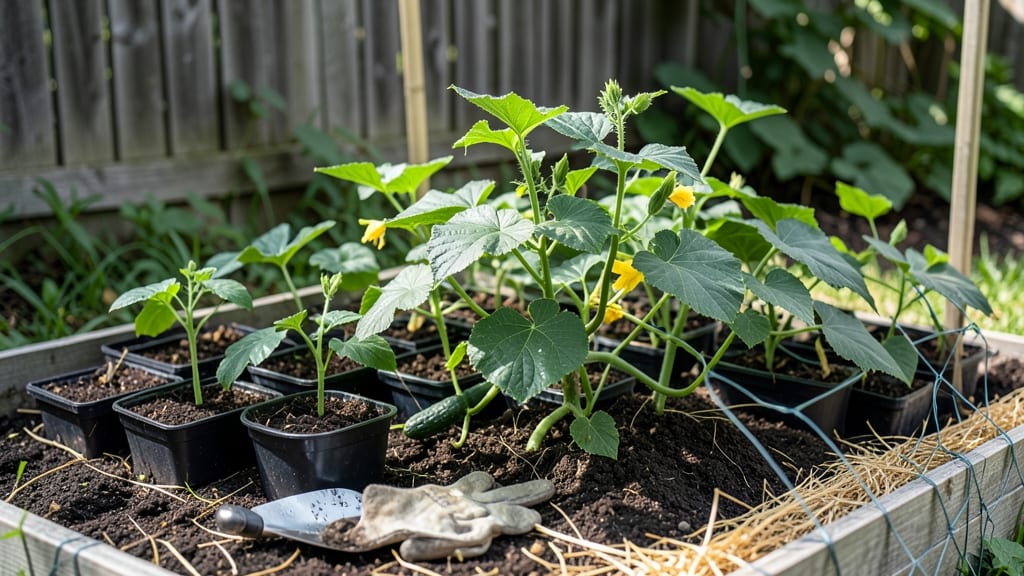
Planting cucumbers in North Carolina at the right time means the difference between a bountiful harvest and a sad, wilted vine 🥒.
Timing is everything when growing cucumbers in North Carolina—plant too early and frost will kill your vines, too late and you’ll miss peak harvest season. Here’s your county-by-county guide to frost-free deadlines, soil prep, and optimal planting windows for maximum yields.
North Carolina’s 7a-8b climate zones mean your neighbors might be harvesting while you’re still waiting for soil to warm. The key is knowing your last frost date, which can vary by weeks from the mountains to the coast.
Below, I break down the best months to plant (with a backup late-summer window), how to adjust for microclimates, and the 3 cucumber varieties that thrive in NC’s heat and humidity.
North Carolina cucumber planting deadlines by county: frost-free Zone map
North Carolina’s diverse climate—from the coastal plains to the mountainous west—means your cucumber planting timeline should match your USDA hardiness zone. In Zone 7a (western NC), frost lingers until mid-April, while Zone 8b (coastal areas) sees last frosts by early March.
These differences can shift your planting window by 6+ weeks, so let’s break it down by region to avoid frost damage or missed harvests.
Cucumbers thrive in warm soil (60°F+) and consistent heat, which is why I recommend waiting until after your average last frost date. For most NC counties, this means late April to early May for spring plantings.
But don’t wait too long—July 1 is my cutoff for late-summer sowings to ensure harvests before fall frosts hit in October. Below, you’ll find a county-by-region breakdown with frost-free averages and heatwave risks.
🌱
Use this map as your planting guide, but always confirm your local frost dates using the NC State Climate Office or Almanac. For example, Asheville’s last frost often hits May 1, while Wilmington’s can be as early as March 10.
If you’re in a transition zone (like the Piedmont), err on the side of waiting—cucumbers won’t germinate in cold soil, and starting too early risks rot or stunted growth.
Pro tip: Soil temperature matters more than air temperature. Use a soil thermometer to confirm 60°F+ before planting. In cooler mountain regions, I’ve had success using black plastic mulch or row covers to warm the soil 2-3 weeks faster.
For coastal areas, prioritize disease-resistant varieties like ‘Southern Sweet 100’ to combat humidity-related powdery mildew.
Heatwaves are a double-edged sword in NC. While Piedmont and Sandhills face dry heat that can stress plants, coastal regions battle oppressive humidity, which encourages fungal diseases. If your forecast calls for 90°F+ for weeks, provide shade cloth (30-50%) during peak afternoon sun.
I also recommend drip irrigation over overhead watering to keep foliage dry and reduce spore spread.
For late-summer plantings, aim to sow seeds by July 1 in most
How to adjust planting dates for North Carolina’s microclimates
North Carolina’s diverse geography means your cucumber planting dates should vary dramatically depending on whether you’re in a mountain valley, coastal plain, or urban heat island.
The average last frost date in Asheville (Zone 7a) is April 15, while Wilmington (Zone 8a) sees frost-free conditions by February 15. These differences can shift your planting window by 6 weeks or more, so local adjustments are key to success.
For mountain regions, cooler nights and slower soil warming often delay planting until May 1 or later. In contrast, coastal areas can start as early as March 15 thanks to moderating ocean breezes.
Urban gardens may face heat islands that allow earlier planting, but also require extra watering to prevent stress during heatwaves.
- Mountain Valleys (Asheville, Boone): Wait until May 1-15 when soil reaches 60°F+. Use black plastic mulch to warm soil 2-3 weeks faster.
- Piedmont (Raleigh, Greensboro): Plant April 15-May 1. Extend season with row covers for 2-3 week earlier starts.
- Coastal Plains (Wilmington, Fayetteville): Start March 15-April 1. Watch for salt spray near beaches that can damage young plants.
- Urban Heat Islands (Charlotte, Durham): Plant April 1 but use shade cloth (30%) to prevent bolting. Mulch heavily to retain moisture.
- All Regions: For extended harvests, succession plant every 2 weeks until July 15.
Organic gardeners can use cold frames or cloche tunnels to start seeds 4-6 weeks earlier than conventional schedules. Fill frames with compost-rich soil and monitor internal temps—ideal seedling conditions are 70-80°F. Remove covers when daytime temps consistently stay above 55°F to prevent overheating.
Transplanting cucumbers is another strategy for microclimate adjustments. Harden off seedlings for 7-10 days before moving them to pre-warmed beds. In cooler zones, use straw bale gardens—they warm to planting temps 2 weeks faster than traditional soil.
For coastal areas, elevate beds to improve drainage during heavy summer rains.
Don’t forget about late summer plantings! After your first harvest, clear vines and replant July 15-August 1 for a second crop. In mountain regions, this works best with heat-tolerant varieties like 'Straight Eight' or 'Marketmore'. Coastal gardeners can extend harvests until October 15 with proper mulching and irrigation.
Pro tip: Track your local growing degree days (GDD) using the NC State Extension calculator. Cucumbers need 1,000-1,400 GDDs to mature—this helps fine-tune dates beyond just frost charts. For most of NC, aim for April 15-June 15 for spring plantings and July 1-August 1 for fall.