
Plants
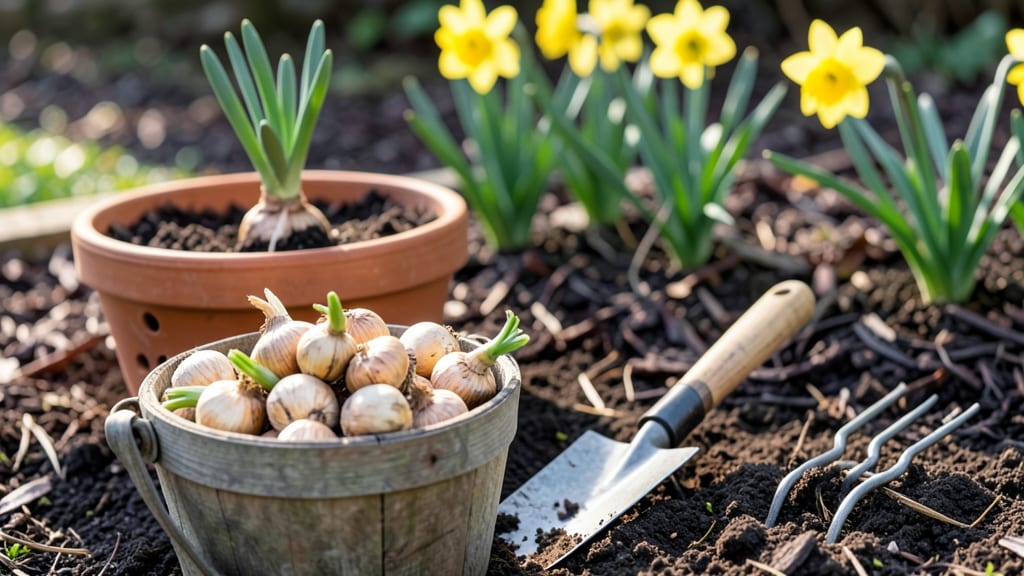
Planting daffodil bulbs in New York between October and November ensures they root before the ground freezes, setting the stage for bright spring blooms 🌼.
New York gardeners know timing is everything—plant too early, and they’ll rot in cold soil; too late, and they won’t bloom in spring. Master the exact cold-hardy window and soil temperature rules to guarantee vibrant yellow blooms next year.
With USDA Zone 6a conditions, the ideal window is 4-6 weeks before the first frost, typically mid-October for most of the state. But don’t just guess—soil temperature matters just as much as the calendar.
Below, I’ll walk you through how to check soil temps, adjust for early/late winters, and pick the best daffodil varieties for NY’s short springs. Ready to plant with confidence?
NY daffodil planting calendar: best months by hardiness zones
New York’s diverse climate—from the cool lakeside air of the Adirondacks to the warmer urban pockets of NYC—means daffodil planting timing varies dramatically. In USDA zones 4-5 (upstate), frost arrives early, while zones 6-7 (metro areas) enjoy milder falls.
The key? Plant bulbs when soil temps hit 40-50°F—cold enough to prevent rot, but before the ground freezes solid. Miss this window, and you’ll either get moldy bulbs or no blooms next spring.
For most of New York, early fall (September-October) is ideal, but late fall (November) works if you’re in warmer microclimates like Long Island or the Hudson Valley. Upstate gardeners in zone 4 should plant by mid-October, while NYC gardeners in zone 7 can stretch until early November.
The rule of thumb? Aim for 4-6 weeks before the first hard frost—check your local National Weather Service for exact dates.
Here’s the breakdown by zone, including soil prep tips and regional adjustments:
| USDA Zone | Best Planting Window | Soil Temp Goal | NY-Specific Notes | Action Steps |
|---|---|---|---|---|
| Zone 4 (Upstate: Albany, Syracuse) | Mid-September to mid-October | 40-50°F | Frost arrives early; plant dwarf varieties (e.g., 'Tête-à-Tête') for reliability. | Test soil with a thermometer; add compost to heavy clay. |
| Zone 5 (Capital Region, Catskills) | Late September to early November | 40-50°F | Extend window with mulch (straw or leaves) after planting. | Plant late-blooming varieties (e.g., 'Ice Follies') for longer displays. |
| Zone 6 (Hudson Valley, Finger Lakes) | October to early November | 45-50°F | Warmer microclimates allow November planting if soil isn’t frozen. | Use gravel mulch in rocky soils to improve drainage. |
| Zone 7 (NYC Metro, Long Island) | October to mid-November | 50°F (soil warms slower in urban areas) | Urban heat islands delay frost; plant taller varieties (e.g., 'Thalia') for vertical interest. | Amend compacted city soil with sand and peat moss. |
If you’re planting in November, prioritize well-draining soil—NY’s heavy clay can trap moisture and cause bulb rot. For upstate zones, consider early September planting if your soil stays warm longer (e.g., near south-facing walls).
In NYC, container gardening extends your window: plant in pots and move them to a protected spot until spring.
Pro tip: Mark your calendar for October 15th as a general cutoff—after this, bulbs need extra protection (e.g., deep mulching or planting in containers). For reliable blooms, pair early and late varieties: plant 'February Gold' (early) and 'Peach 'n' Cream' (late) together for a 6-week display.
One common mistake? Waiting for leaf drop from trees. By then, soil temps may already be too cold. Instead, focus on soil temperature—use a digital thermometer ($10 at garden centers) to check 6 inches deep.
If it’s below 40°F, delay planting or use black plastic mulch to warm the soil.
For urban gardeners, NYC’s zone 7b climate lets you plant later, but watch for early November frosts in the Bronx or Staten Island. If you’re unsure, plant a test bulb in early October—if it sprouts by spring, you’ve nailed the timing for next year.
Remember: Daffodils are cold-hardy, but they need time to establish roots before winter. In zone 4, aim for 6-8 weeks of root growth before frost; in zone 7, 4-6 weeks suffices. Use this calendar as your guide, but always
Soil temperature rules: how to test & time planting perfectly
New York’s unpredictable fall weather makes soil temperature the most critical factor for planting daffodil bulbs successfully. Unlike warm-climate plants, daffodils thrive when soil cools to 40–50°F—this triggers root growth before winter dormancy.
Cold soil below 40°F can stunt roots, while soil above 50°F risks early sprouting and frost damage. I’ve learned the hard way: planting too early in warm soil leads to rot, while waiting too long risks frozen ground.
To nail the perfect timing, I use a simple soil thermometer (just $10 at garden centers) to check temperatures at 6-inch depth, where daffodil roots will grow. Early October often works for upstate NY (zones 5–6), but NYC’s zone 7 may need to wait until mid-October.
The key is planting when soil is consistently below 60°F but hasn’t frozen yet—this gives roots time to establish before winter.
⚠️ WARNING: Frozen Soil Pitfalls ⚠️
For heavy clay soils, I add a 2-inch layer of compost to the planting hole before placing bulbs. This improves drainage and insulates against temperature swings. In exposed areas (like lawns), mulch with straw or leaves after planting to protect bulbs from winter heaving—a common issue in NY’s freeze-thaw cycles.
I’ve seen entire rows of daffodils pop out of frozen clay if not mulched properly!
If ground is frozen but you’re desperate to plant, try the "snow method": cover the area with 6 inches of snow (like a blanket) and plant through it. The snow insulates the soil, keeping temps stable.
I’ve successfully planted in late November this way in zone 5—just monitor snow depth to avoid smothering the bulbs. Always plant bulbs 3x their height deep (typically 6–8 inches) for stability in clay.
Timing isn’t just about temperature—it’s also about moisture balance. Plant when soil is damp but not soggy; daffodils hate waterlogged conditions. In dry years (like 2023), I watered the planting site lightly the day before to help bulbs settle.
For clay soils, add perlite or coarse sand to the hole to prevent compaction. Remember: NY’s first frost usually hits mid-October, but soil temps lag behind air temps by 2–3 weeks.
Test your soil’s readiness by pushing a wooden stake into the ground—if it slides in easily (no resistance), it’s plantable. If it’s stiff, wait another week.
I’ve missed the window before by rushing; now I mark my calendar for 6 weeks before average first frost (check your local USDA zone for exact dates). For zone 6 (upstate), that’s usually early October; zone 7 (NYC) leans toward mid-October.
Patience pays off with bigger, brighter blooms next spring! 🌼