
Plants
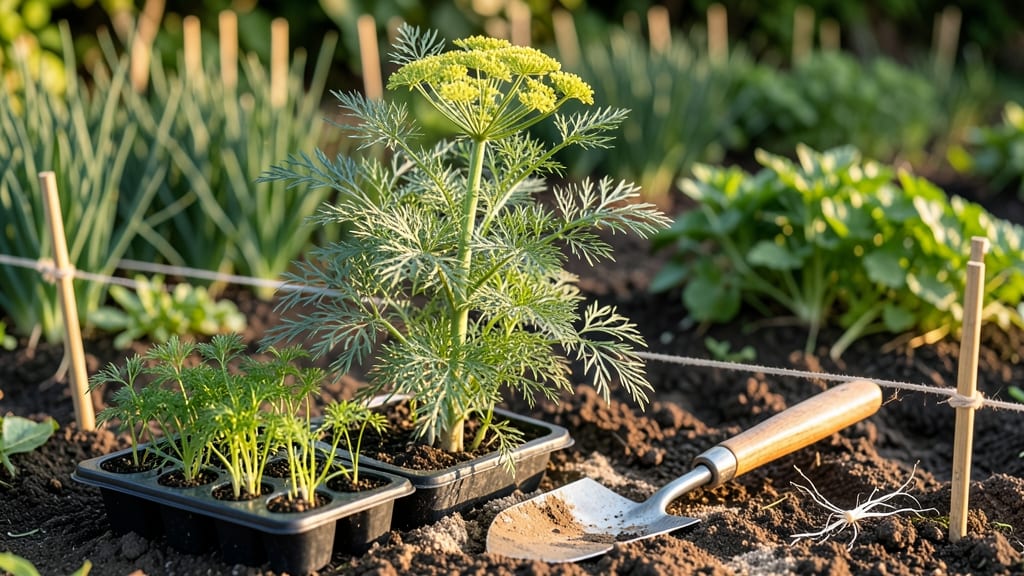
Planting dill in Texas at the right time means the difference between a thriving herb garden 🌿 and a sad, bolted mess by July.
Texas gardeners know timing is everything—plant dill too early, and it bolts in the heat; too late, and you’ll miss the harvest season entirely. But with the right heat-resistant varieties and precise planting months, you can grow lush, flavorful dill all season long.
In USDA Zones 8a-10b, the best windows are late winter to early spring (February–March) for a spring harvest or late summer (August–September) for fall growth. North Texas gardeners should aim for after the mid-February frost, while South Texas can start as early as January.
Below, I’ll break down the exact months by region, the top heat-resistant varieties for Texas, and the critical tricks to keep your dill from bolting before you even get to harvest.
Best months to plant dill in Texas (by region and climate Zones 8-10)
Texas gardeners face unique challenges when growing dill—the intense summer heat and variable frost dates demand precise timing. Plant too early, and your dill will bolt before you can harvest; too late, and you’ll miss the harvest window entirely.
The solution? Strategic planting based on your USDA zone and region-specific climate patterns.
North Texas (Zone 8) has cooler winters and hotter summers, while South Texas (Zone 9b-10) enjoys milder winters but extended heat. Central Texas (Zones 8a-9a) sits in between, requiring a balanced approach.
Let’s break down the optimal planting months for each region to maximize your dill harvest.
🌱 Key Takeaway: Texas gardeners should focus on spring (February-March) and fall (August-September) planting for the best results.
| Region | USDA Zone | Spring Planting | Fall Planting | Last Frost Date | First Frost Date |
|---|---|---|---|---|---|
| North Texas | Zone 8 | February 15 - March 15 | August 1 - September 1 | February 15 | December 1 |
| Central Texas | Zones 8a-9a | February 28 - March 31 | July 15 - August 15 | February 28 | November 15 |
| South Texas | Zones 9b-10 | March 1 - March 15 | July 1 - August 1 | January 1 | November 15 |
In North Texas (Zone 8), aim to plant dill seeds in late February to mid-March for a spring harvest. This timing ensures your plants establish roots before the summer heat triggers bolting.
For a fall harvest, sow seeds in early August to allow the plants to mature before the first frost in early December.
Central Texas gardeners in Zones 8a-9a have a slightly longer window. Start seeds in late February to late March for spring growth, then again in mid-July to mid-August for a fall crop.
The key here is to avoid planting too early in spring, as even mild warmth can cause premature flowering.
For South Texas (Zones 9b-10), where winters are mild, you can plant dill as early as March for spring harvests. However, the real advantage is the extended fall planting window—sow seeds from July to early August to enjoy fresh dill well into November before the first frost arrives.
If you’re growing dill in containers, adjust your planting timeline by 2-3 weeks earlier in spring and 1-2 weeks later in fall. Containers heat up faster, so monitor soil moisture closely to prevent stress-induced bolting.
Pro tip: Use shade cloth during peak summer months (June-August) if you notice your dill plants turning leggy or flowering too soon. This simple trick can extend your harvest by 3-4 weeks in even the hottest Texas zones.
Remember, dill thrives in cool weather and struggles when temperatures exceed 85°F. By aligning your planting schedule with these regional guidelines, you’ll avoid the pitfalls of Texas heat and enjoy a bountiful harvest all season long.
🌿 Now that you’ve got your planting months locked in, your next step is choosing the right heat-resistant varieties—stay tuned for our next section on the top 3 dill varieties for Texas gardens!
Top 3 heat-resistant dill varieties for Texas gardens (and how to choose)
Texas summers can turn dill into a sad, bolted mess—but not with the right varieties! Heat-resistant dill like 'Bouquet,' 'Fernleaf,' and 'Mammoth Long Island' thrive in our 90°F+ temperatures when planted strategically. Each variety handles Texas heat differently, so choosing the right one means longer harvests and better flavor.
For compact harvests, 'Bouquet' is my top pick—its bushy growth stays manageable even in Zone 10 heat. Meanwhile, 'Mammoth Long Island' reaches towering heights (up to 5 feet) but needs extra water to prevent bolting. Let’s break down which variety fits your Texas garden’s needs.
Dill Variety Comparison for Texas Gardens
Handles 100°F+ well
2-3 ft tall, bushy
Container-friendly
Thrives in 95°F
Delicate, lacy foliage
Gourmet flavor
Bolts faster in heat
4-5 ft tall
Long stems ideal
'Bouquet' dill is my go-to for Texas container gardens—it stays 2-3 feet tall and produces dense foliage perfect for snipping fresh dill for tacos or soups. Its heat tolerance is unmatched, making it ideal for North and Central Texas where afternoon sun can be brutal.
If you love delicate, fern-like leaves, 'Fernleaf' is a gourmet choice. It grows slightly slower in 100°F heat but rewards you with lacy, aromatic leaves perfect for garnishes. However, it’s not as drought-resistant as 'Bouquet,' so I recommend mulching heavily in South Texas.
For pickling and preserving, 'Mammoth Long Island' is the tallest variety (up to 5 feet), but it requires consistent watering to prevent bolting. In Central Texas, I plant it near drip irrigation to keep roots cool. Its bold flavor makes it worth the extra care!
Pro tip: Mix varieties! Plant 'Bouquet' near your tomatoes (it repels pests) and 'Mammoth' in a dedicated bed for pickling. Just remember—shade cloth is your best friend in August heat!