
Plants
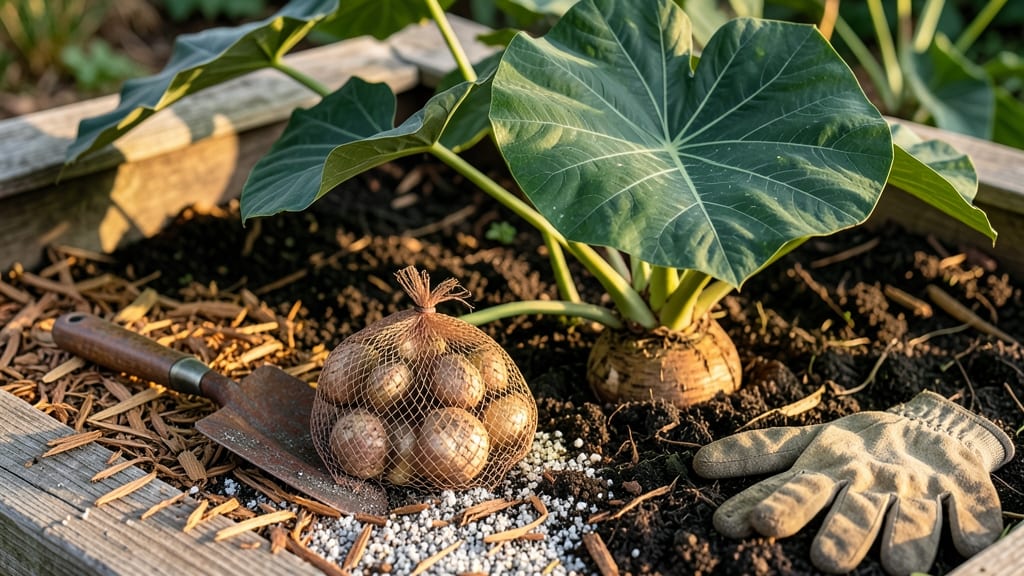
Planting elephant ear bulbs in Georgia after the last frost date — typically mid-March to April — is the key to unlocking those dramatic 🌿 leaves you’ve been dreaming of.
Here’s the catch: Georgia’s humid subtropical climate can make or break your elephant ear plants. Plant too early, and frost ruins them; too late, and summer’s brutal heat stunts growth. Timing is everything for these tropical showstoppers.
In zones 7b-8b, where most of Georgia falls, the window is tight but doable. You’ll want to wait until the soil warms to at least 60°F, which usually aligns with late March or early April. This gives your tubers the perfect start before the heat ramps up.
Below, I’ll walk you through the exact steps to prep your soil, choose the right spot, and keep your elephant ears thriving through Georgia’s long, steamy summers. No more guessing—just lush foliage from day one.
Georgia’s best planting zones for elephant ear bulbs (and when to start)
Georgia’s USDA zones 7-9 create the perfect tropical climate for elephant ear bulbs (Colocasia and Alocasia), but timing is critical. These plants thrive in heat but won’t survive frost, making late spring the safest window.
In Zone 7b, wait until mid-April after the last frost, while Zones 8-9 can start as early as late February. Understanding your zone’s heat tolerance thresholds ensures your elephant ears grow lush and strong all summer.
Elephant ears are heat-loving tropicals that struggle below 60°F soil temps. In Georgia, this means spring planting after March 15 is ideal for most regions. Fall planting is risky unless you’re in Zone 9, where mild winters allow tubers to overwinter.
For Colocasia varieties, like 'Black Stem' or 'Illustris', aim for partial shade to protect leaves from scorching, while Alocasia (like 'Polly') tolerates more sun.
Key planting windows by zone:
- Zone 7b: Wait until April 1-15 (after frost)
- Zone 8a: Plant March 15-April 1
- Zone 8b-9: Start as early as February 28-March 15
Use your local Georgia Extension Service frost date maps to fine-tune timing—frost can kill tubers even if leaves survive.
Your microclimate matters more than your official USDA zone. If you’re in a low-lying area or near large bodies of water, frost risk lingers later—delay planting until mid-April.
Conversely, urban heat islands (like Atlanta) can start planting 2 weeks earlier since soil warms faster. Test soil temps with a thermometer—aim for 60°F+ at 4-inch depth before planting.
For Alocasia varieties, which are slightly more cold-sensitive, wait until May 1 in Zone 7b to avoid stunted growth.
These plants need consistent warmth to develop their striking foliage. Colocasia, like 'Mojito' or 'White Queen', are hardier and can handle Zone 7b’s cooler springs if planted after April 15. Always soak tubers overnight before planting to encourage faster growth in Georgia’s humid climate.
Georgia’s summer heatwave thresholds (95°F+) can stress elephant ears if they’re not established. Plant 2-3 weeks before peak heat (usually late May) to give roots time to anchor. Mulch heavily with 3-4 inches of organic mulch (like pine straw) to retain moisture and regulate soil temps.
In Zone 9, you can even plant in fall (October), but tubers may need winter protection with straw mulch.
Pro tip: Divide and replant elephant ear tubers every 3-4 years to prevent overcrowding.
Georgia’s clay-heavy soils benefit from amending with compost before planting—aim for 25% organic matter to improve drainage. Drainage is critical: These tubers rot in soggy soil, so raise beds in Zone 7b if your yard holds water.
Watch for early signs of stress like yellowing leaves or wilted foliage, which often signal overwatering or root rot in Georgia’s humid summers. Water deeply but infrequently—once a week during establishment, then every 10-14 days once established. Morning watering prevents fungal diseases like leaf spot, common in Georgia’s 90% humidity summers.
For container growing in Georgia’s Zone 7b-8a, plant tubers in 10-gallon pots with fast-draining mix (50% peat, 30% perlite, 20% compost). Move containers to protected spots at night if frost warnings appear. Alocasia varieties in containers
Spring vs. fall planting: which works better in Georgia’s climate?
Georgia’s humid subtropical climate creates a tricky balance for elephant ear bulbs—too early, and frost zaps their tropical roots; too late, and summer’s 90°F+ heat stresses them before they establish. Most gardeners default to spring planting, but fall offers unique advantages for these heat-loving tubers.
Your decision hinges on soil temperatures and frost risk. Elephant ears thrive when soil stays above 60°F. In Georgia’s USDA zones 7b-8b, spring soil warms quickly after March 15, while fall soil lingers above 60°F until late October in most regions.
🌱 PROS-CONS BOX
🌱 Spring Planting
- ✅ Longer growing season (215+ frost-free days)
- ✅ Warmer soil (60°F+ by April)
- ✅ Avoids summer heat stress for early growth
❄️ Risks
- ❌ Late frost risk (March 15+)
- ❌ Requires mulch for root protection
- ❌ Slower establishment if planted late
🍂 Fall Planting
- ✅ Warmer soil (60°F+ until Oct)
- ✅ Avoids summer drought
- ✅ Less pest pressure in cooler months
❄️ Risks
- ❌ Shorter growing season (frost by Nov)
- ❌ Needs winter mulch for root protection
- ❌ Limited varieties may not establish
For Georgia gardeners, spring planting (March-April) wins for most varieties, but fall planting (September-October) works for heat-tolerant types like Colocasia 'Black Magic'. The key is soil temperature—use a soil thermometer to confirm 60°F+ before planting.
Extend your growing season by planting elephant ears in containers—move them indoors or to a garage during freezes. Or try microclimate planting near south-facing walls, which can add 2-3 weeks of warmth.
Pro tip: If you plant in fall, cover bulbs with 4-6 inches of mulch by November to insulate roots. For spring plantings, wait until after April 15 to avoid late frosts that can kill emerging shoots.
Remember, elephant ears are tropical—they’ll bolt or wilt if stressed by extreme heat or cold. In Georgia’s climate, spring planting gives them the best shot at a full-season show before summer’s intensity peaks.