
Plants
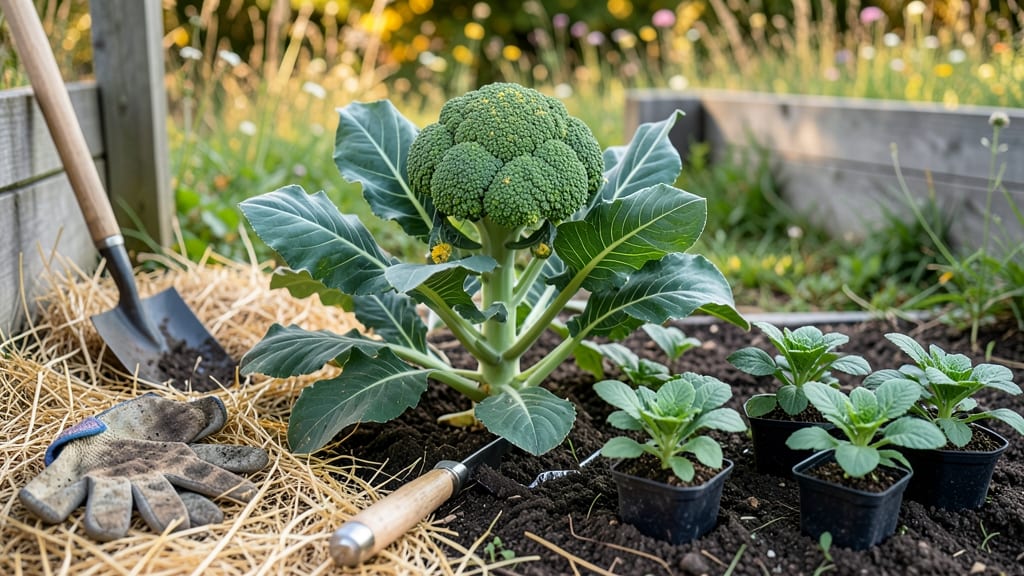
To plant fall crops in Zone 6, aim for 4-6 weeks before your first frost—typically late August to early September—so they mature before winter sets in.
Missed your spring planting window? Don’t worry—Zone 6 gardeners can still enjoy a bountiful harvest with the right timing. One wrong move means stunted growth or frost damage, but with a clear schedule, you’ll pull fresh kale, carrots, and broccoli straight from your garden.
This isn’t just about throwing seeds in the dirt—soil temperature, frost dates, and crop maturity all play a role. In Zone 6 (6a-6b), where first frosts usually hit around mid-October, timing is everything to avoid a wasted season.
Below, I’ll break down the exact deadlines for fast-, medium-, and slow-maturing crops, plus how to extend their season with mulch and row covers. No guesswork—just a foolproof plan for a garden full of crisp, flavorful veggies.
Fall planting deadlines for Zone 6 crops by maturity type
Timing your fall crops in Zone 6 is all about understanding maturity types and your first frost date. For most of Zone 6, the average first frost arrives around October 15, but this can shift ±10 days depending on microclimates.
The key is planting early enough for crops to mature before winter sets in—typically 4-10 weeks before frost, depending on how quickly they grow.
Fast-maturing crops like radishes and leaf lettuce can handle a 30-45 day growing season, while slower varieties like Brussels sprouts or kale need 90-120 days. My rule of thumb?
Use the 10-week countdown: Start planting 10 weeks before frost for medium-maturing crops, and adjust earlier for slower growers. This ensures you avoid frost damage while maximizing your harvest.
| Crop Type | Maturity Days | Planting Window | Notes |
|---|---|---|---|
| Fast (<30 days) | 20-30 | Late Aug - Early Sept | Radishes, spinach, arugula |
| Medium (30-60 days) | 45-60 | Mid-July - Mid-Aug | Lettuce, carrots, beets, peas |
| Slow (60-120+ days) | 90-120 | Early July - Early Aug | Brussels sprouts, kale, broccoli, cabbage |
For fast-maturing crops, like radishes or arugula, you can push your planting window later—even into early September—because they’ll mature before frost. These crops thrive in cooler weather and often taste sweeter after a light frost.
I’ve had great success with ‘Cherry Belle’ radishes planted in late August, harvesting them in just 25 days.
Medium-maturing crops, such as carrots and bush beans, need a 45-60 day window to reach harvest. This means starting them around mid-July to ensure they’re ready by mid-September.
If you’re growing ‘Danvers’ carrots, for example, aim to plant them by July 15 to avoid stunted growth from early frosts.
Slow-maturing crops like Brussels sprouts or cabbage require the earliest planting window—early July at the latest. These plants need 90+ days to develop, so planting them too late means they’ll bolt or freeze before producing edible yields.
I always plant ‘Long Island Improved’ Brussels sprouts by June 20 to guarantee a harvest by October 15.
Pro tip: Use row covers or cold frames to extend the season for medium and slow crops. These tools can push your harvest window 2-4 weeks later by shielding plants from light frosts (28°F).
For example, kale planted in early July can still produce edible leaves well into November with protection.
Soil temperature also plays a role. Most cool-season crops prefer soil temps between 45°F and 75°F. If your soil is still warm in early July, opt for shade cloth or wait a few days until temps drop.
I test soil temperature with a soil thermometer to avoid planting too early when roots won’t establish properly.
Don’t forget to account for succession planting! For fast crops like lettuce or spinach, sow new seeds every 2 weeks from mid-July through early September.
This ensures a continuous harvest until frost. I’ve used this method to keep my garden productive well into October, even with limited space.
Finally, mark your calendar with your local frost date (check the USDA Plant Hardiness Zone Map for precise details). If you’re in Zone 6a, your frost date might be October 10, while Zone 6b could push it to October 20.
Adjust your planting timeline accordingly to avoid wasted effort or lost crops.
With these deadlines in mind, you’ll be well on your way to a productive fall garden full of crisp, homegrown vegetables. Happy planting! 🌱
Top 5 fall crops for Zone 6 and how to extend their season
Fall gardening in Zone 6 doesn’t mean your harvest has to end with summer. The right cool-season crops thrive in crisp air, and with a few smart tricks, you can keep them producing well into winter.
I’ve grown kale, carrots, radishes, spinach, and broccoli successfully for years—here’s how to do it right.
These five crops are my top picks because they handle cooler temperatures beautifully and often taste sweeter after a frost. The secret to extending their season lies in timing, protection, and succession planting.
Let’s break down the best varieties and techniques to keep your garden productive long after summer fades.
- 1 Plant kale and spinach 4-6 weeks before first frost (late July to early August). These leafy greens love cool weather and can handle light frosts. For maximum sweetness, let them experience 20-30°F temperatures.
- 2 Sow carrots and radishes 6-8 weeks before first frost (mid-July). Radishes mature in 25-30 days, so plant them in succession every 2 weeks for continuous harvests. Carrots take longer (60-70 days), so start them earlier.
- 3 Broccoli and cabbage need 70-80 days to mature, so plant them 8-10 weeks before first frost (late June to early July). Choose fast-maturing varieties like ‘Waltham 29’ broccoli for shorter growing seasons.
- 4 Extend the season with row covers or cold frames to protect crops from hard frosts (below 25°F). A simple floating row cover can add 4-6°F of protection, while a cold frame can keep plants growing through light snow.
- 5 Succession plant fast growers like radishes and lettuce every 2-3 weeks to ensure a steady supply. Even if the first batch bolts, new seeds will keep producing until frost.
One of my favorite tricks is using straw mulch around root crops like carrots and beets. It insulates the soil, keeps roots crisp, and prevents frost heave—when soil freezes and lifts plants out of the ground. Just spread a 2-3 inch layer after planting and before the first frost.
For leafy greens like kale and spinach, I’ve found that harvesting outer leaves encourages regrowth. This way, you can keep picking for weeks, even if the weather turns chilly. Just avoid cutting more than one-third of the plant at a time to avoid stressing it.
If you’re new to fall gardening, start with radishes and lettuce—they’re forgiving and mature quickly. Once you’ve mastered their timing, move on to broccoli and carrots, which require more patience but reward you with hearty harvests.
With these crops and a little protection, your garden can stay productive well into winter.