
Plants
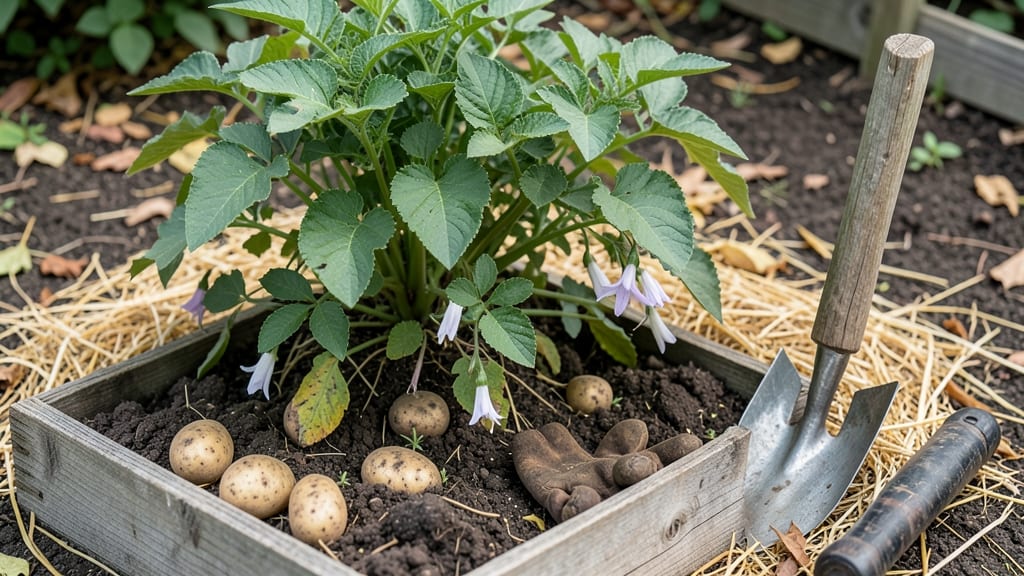
Planting fall potatoes in Texas requires precise timing—aim for late August to early September in most zones to avoid frost while escaping summer’s brutal heat.
Texas gardeners know timing is everything—plant too early, and frost ruins your harvest; too late, and yields suffer. Mastering these exact dates means the difference between a bountiful 🥔 harvest and wasted effort.
Unlike spring planting, fall potatoes face a shorter growing season and hotter soils. The key is starting seed potatoes when temperatures drop below 90°F but before the first frost hits your region.
Below, I’ll break down the best planting windows by Texas zone, soil prep tips to beat the heat, and the top varieties that thrive in our unpredictable climate.
Texas fall potato planting calendar: exact dates by region
Timing your fall potato planting in Texas depends on your region's first frost dates and soil temperature thresholds. Aim for 60-70°F soil to ensure strong tuber development before winter sets in.
North Texas faces earlier frosts than South Texas, so adjust your schedule accordingly to avoid frost damage while maximizing harvest potential.
Texas spans USDA zones 8a-10b, but high-altitude areas like the Hill Country (e.g., Austin, Fredericksburg) experience cooler temperatures earlier. Use these regional guidelines to pinpoint your ideal planting window and avoid common mistakes like planting too late for a full harvest or too early and risking heat stress.
For North Texas, plant between August 15 and September 15 to ensure tubers mature before the mid-November frost. Choose early-maturing varieties like 'Yukon Gold' or 'Red Norland' to guarantee a harvest before temperatures drop.
In Central Texas, you have a slightly longer window—August 1 to September 30—thanks to later frost dates, but don’t delay past September 30 or risk stunted growth.
Gardeners in South Texas enjoy the most flexibility, with a two-month window from August 15 to October 15. The warmer climate allows for later plantings, but aim to finish by October 15 to avoid heat stress during tuber formation.
If you live in the Hill Country, stick to the earlier window of August 1 to September 15—cooler nights and earlier frosts demand faster-growing varieties.
Always test your soil temperature before planting. Use a soil thermometer to confirm it’s between 60-70°F. If temperatures are too high, wait a few days or use shade cloth to protect young plants.
In high-altitude areas, soil may cool faster, so plant on the earlier side of the recommended window to avoid delays.
Pro tip: Stagger your plantings every 2-3 weeks within your region’s window. This extends your harvest season and reduces the risk of losing an entire crop to unexpected frost.
For example, in Central Texas, plant one batch on August 15, another on September 1, and a final batch on September 15 for a continuous harvest through December.
Watch for signs of frost in your area, such as blackened foliage or white frost crystals on plants. If frost is forecasted before your potatoes are ready, cover them with row covers or old blankets to protect tender leaves.
Even a light frost can damage tubers, so prioritize harvesting before temperatures drop below 40°F.
In South Texas, where frosts are rare, focus on avoiding heat stress rather than frost. Plant in early fall to take advantage of cooler temperatures and reduce the need for constant irrigation.
Mulch heavily with straw or grass clippings to retain moisture and regulate soil temperature, especially in sandy soils that heat up quickly.
Remember, soil preparation is just as critical as timing. Work in compost or aged manure before planting to improve drainage in Texas clay soils. Potatoes thrive in loose, well-draining soil, so avoid compacted or waterlogged areas.
If your garden soil is heavy, consider planting in raised beds filled with a mix of topsoil and
How to time your planting for maximum yield in Texas heat
Texas's brutal summer heat and unpredictable fall frost make potato planting a high-stakes game. The key to success? Timing your fall potatoes perfectly—not too early (risking heat stress) and not too late (risking frost).
I’ve learned through trial and error that August is your golden window for planting in most of Texas, but the exact dates depend on your region and variety.
First, prepare your Texas clay soil by amending it with compost and organic matter to improve drainage. Clay holds moisture but suffocates roots when compacted. I mix in aged manure or coconut coir to break up the heavy texture.
This step alone can double your yield by preventing rot in the humid fall air.
Here’s my proven 5-step system for timing fall potatoes in Texas heat:
- 1
- 2
- 3
- 4
- 5
One mistake I made early on? Planting all my potatoes at once. Now, I stagger plantings every 2 weeks to extend my harvest window. This way, I get multiple harvests instead of one big rush before frost hits.
For example, plant half in late August and the other half in early September—this ensures a steady supply.
If you’re in South Texas (Zone 9-10), you can even push planting to early October and harvest through December. But in North Texas (Zone 7-8), stick to late August to avoid early frost. Test your soil temperature—it should be at least 60°F for sprouting to begin.
Pro tip: Chit your seed potatoes (sprout them indoors in light) before planting. This gives you a 2-week head start in Texas’s short growing season. Just place them in a bright, cool spot (60-65°F) for 3-4 weeks before transplanting. Your plants will bolt faster and yield more tubers.
Remember: Texas heat is your enemy in summer, but fall’s mild temps are your ally. By following these steps, you’ll maximize your potato yield and avoid the heartbreak of a frost-killed crop. Happy planting!