
Plants
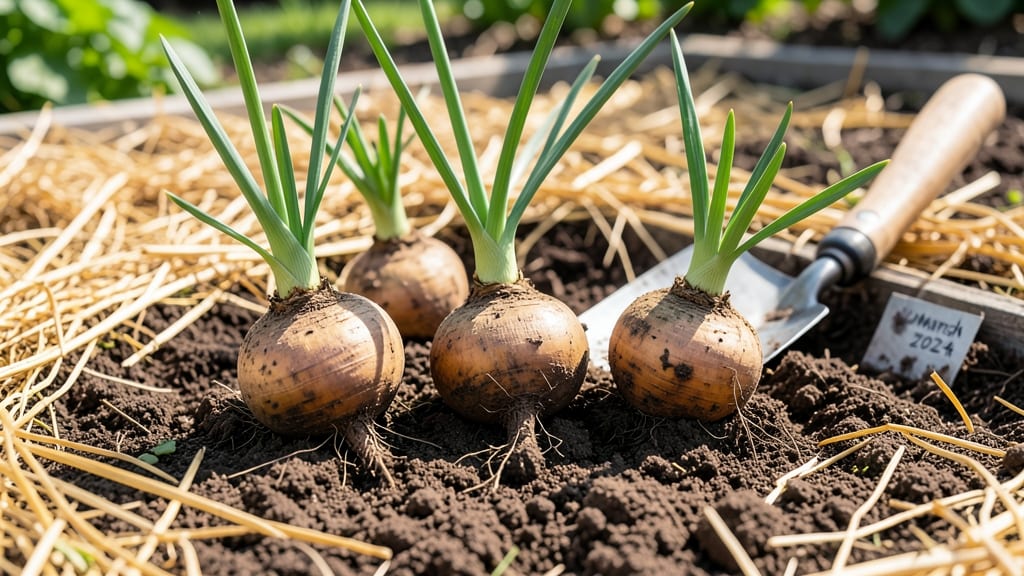
Plant gladiolus bulbs in Oregon between late May and early June, once the soil warms and frost risk fades — a window that delivers summer’s boldest blooms 🌸.
Oregon’s unpredictable climate can make timing critical for gladiolus bulbs—plant too early, and they’ll rot; too late, and you’ll miss summer’s showstopping blooms. Mastering the perfect window ensures vibrant flowers from June to September.
Coastal areas like Portland (Zone 7b-8a) can start as early as mid-May, while inland spots like Bend (Zone 5b-7a) should wait until early June. Soil temperature is the key: aim for 60°F or warmer, and always plant after your last frost date.
Below, I’ll break down the exact timing for your region, soil prep tips to avoid rot, and how to adjust for Oregon’s rainy seasons and altitude zones. Ready to grow glads that steal the show?
Best planting months for gladiolus in Oregon’s USDA zones 7-9
Oregon’s diverse climate—from the mild coastal regions of the Willamette Valley to the hotter inland valleys of Eastern Oregon—creates unique challenges for planting gladiolus bulbs. These stunning summer flowers thrive when planted at the right time, but timing varies dramatically across USDA Zones 7-9.
In Zone 7b (Portland), you’ll want to plant after the mid-April frost, while Zone 9a (Medford) gardeners can start as early as late March.
The key to success is waiting until the soil temperature reaches at least 60°F (15°C)—this ensures your gladiolus corms won’t rot in cold, damp soil.
Oregon’s 2024 frost-free dates vary widely: coastal areas like Astoria may see their last frost in early April, while high-desert regions like Bend often wait until mid-May. Always check local frost data from sources like the Oregon State University Extension to fine-tune your timing.
Comparison of ideal planting windows for Oregon’s microclimates reveals critical differences. Coastal gardeners in Zone 7b-8a have a broader window, while inland Zone 9a areas can start earlier. Below, see the exact monthly breakdown for your region, including soil temperature thresholds and frost-free date calculations.
| Region | USDA Zone | Last Frost Date (2024) | Ideal Planting Window | Soil Temp Threshold | Bloom Time |
|---|---|---|---|---|---|
| Willamette Valley (Portland) | 7b-8a | April 15-May 1 | May 15-June 15 | 60°F (15°C) | July-August |
| Southern Oregon (Medford) | 9a | March 15-April 1 | April 15-May 15 | 60°F (15°C) | June-July |
| Eastern Oregon (Bend) | 7a-6b | May 1-15 | June 1-July 1 | 65°F (18°C) | August-September |
| Coastal (Astoria) | 8a-7b | April 1-15 | May 1-June 1 | 58°F (14°C) | July-August |
For Willamette Valley gardeners in Zone 7b-8a, the optimal window is between May 15 and June 15. This aligns with the region’s last frost date while ensuring soil warmth.
Planting too early risks rot from cold soil, while delaying past June may result in shorter bloom seasons. In my own Portland garden, I’ve found that late May plantings yield the most vibrant blooms by mid-July.
In Southern Oregon’s Zone 9a, where winters are milder, you can start as early as mid-April. The Medford area benefits from a longer growing season, allowing for June-July blooms.
However, even here, avoid planting before the soil warms to 60°F, as gladiolus corms are sensitive to cold. I’ve noticed that early April plantings in Medford often struggle unless the soil is amended with compost for warmth.
Gardeners in Eastern Oregon, particularly around Bend, face a shorter season due to cooler nights and later frosts. Here, the ideal window shifts to June-July, ensuring blooms appear in late summer before the first frost.
The higher elevation of areas like Sunriver means you’ll need to wait until the soil reaches 65°F (18°C)—a full 5°F warmer than coastal regions. This delay helps prevent fungal diseases like botrytis, which thrive in cool, damp conditions.
If you’re unsure about your local frost dates, use the Almanac’s Frost Calculator or check with your county extension office. For example, Corvallis typically sees its last frost around April 20, while Redmond often waits until May 10.
Adding 2-4 weeks to these dates gives you a safe planting window for gladiolus. Always plant 4-6 inches deep and 6 inches apart to encourage strong root growth and reduce disease
How to adjust planting time for Oregon’s rainy seasons and altitude zones
Oregon’s coastal and inland regions create unique challenges for gladiolus growers. In Portland and the Willamette Valley, cooler, wetter springs delay planting, while Mount Hood foothills and Eastern Oregon experience earlier frost-free dates.
Altitude also shifts bloom timing—high-elevation gardens like Bend may see flowers appear 2-3 weeks earlier than coastal areas.
Raised beds become your best friend in Oregon’s rainy climate. The improved drainage prevents corm rot, a common issue when bulbs sit in soggy soil.
I’ve found that planting in raised beds allows me to start 1-2 weeks earlier than in-ground planting, especially in coastal zones where spring rains linger. For inland areas, raised beds help maintain consistent soil temperatures, crucial for gladiolus growth.
- Coastal Regions (Portland, Astoria): Wait until May 15-June 1 due to late frosts and high humidity. Use raised beds with gravel drainage layers.
- Inland Valleys (Salem, Eugene): Plant April 20-May 10 when soil reaches 60°F. Monitor for early morning frosts in April.
- High Elevation (Mount Hood, Bend): Start May 1-May 15—shorter seasons demand early planting. Choose dwarf varieties for reliable blooms.
- Desert Areas (Hermiston, Pendleton): Plant March 20-April 10 to avoid summer heat stress. Mulch heavily to retain moisture.
Altitude plays a surprising role in bloom timing. Gardens above 2,000 feet (like those near Mount Hood) often see gladiolus flowers emerge 3 weeks earlier than Portland gardens. This happens because cooler temperatures slow early growth, delaying the vegetative stage but compressing the blooming window.
To compensate, I plant earlier-maturing varieties like ‘Green Star’ or ‘Picasso’ in high-altitude zones.
For coastal gardeners, the key adjustment is patience. The Pacific Northwest’s reputation for rain means soil stays cold longer. I test soil temperature with a thermometer—gladiolus corms need 60°F+ soil to thrive.
If your soil hasn’t warmed by early May, consider black plastic mulch to accelerate heating. Inland areas can plant sooner, but watch for unpredictable April frosts that can damage tender shoots.
One trick I’ve perfected is using container gardening for altitude adjustments. In Portland’s USDA Zone 8a, I plant gladiolus in deep pots on patios where microclimates create warmer pockets. This gives me a 2-week head start compared to in-ground planting.
For high-elevation gardens, I extend the season by planting in warmth-loving containers that I move to sheltered spots during cool nights.
Remember, Oregon’s rainy seasons don’t end with spring. Even in summer, unpredictable downpours can stress gladiolus. I always pair planting with well-draining soil mixes—amending garden beds with compost and perlite creates the perfect balance.
And if your area gets consistent summer rain, consider adding drip irrigation to prevent waterlogged soil while keeping roots hydrated.