
Companion Plants
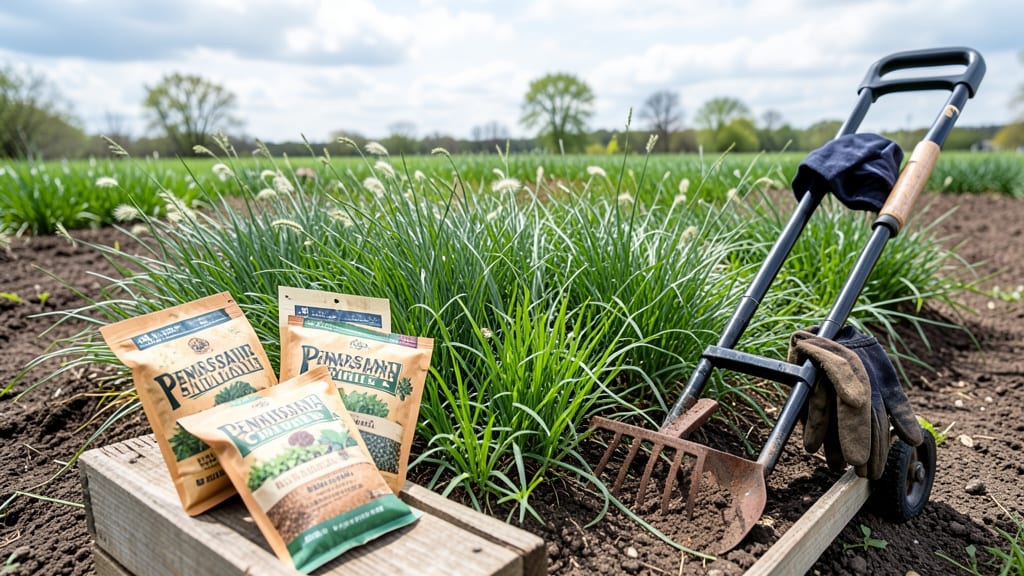
To plant grass in Pennsylvania at the best time, aim for early spring (March–April) or early fall (September–October), when soil temperatures hover around 60°F and frost risks are low.
Pennsylvania’s unpredictable spring weather can make grass planting a gamble—but timing it right ensures lush, resilient lawns that outlast summer heat and winter frost. Whether you’re seeding or sodding, knowing the best window for planting grass in PA can save you from costly replants and patchy growth.
Cool-season grasses like Kentucky bluegrass and fescue thrive when planted in spring or fall, while warm-season types (like Bermuda) need the heat of summer to establish. The key is avoiding extreme heat or cold, which stress young roots and stunt growth.
Here’s what you’ll learn: the exact planting windows for your PA region, how to prep soil for success, and red flags that mean you’ve planted at the wrong time. Let’s get that lawn off to the best start.
Best months to plant grass in Pennsylvania: spring vs. fall breakdown
Choosing the right time to plant grass in Pennsylvania can mean the difference between a thick, vibrant lawn and a patchy, weak one. Most homeowners focus on spring vs. fall planting, but each season offers unique advantages—and challenges—depending on your PA region and grass type.
Cool-season grasses like Kentucky bluegrass and tall fescue dominate PA lawns, thriving in both seasons, while warm-season Bermuda grass is rare but possible in southern PA microclimates.
Spring planting in April–May gives grass a head start before summer heat, but late frosts and unpredictable rain can delay germination. Fall planting in September–October avoids summer stress, allowing roots to establish before winter dormancy.
The key? Soil temperatures must stay above 50°F for germination and below 80°F to prevent seed burn.
In southern PA (USDA Zone 7a), like near Philadelphia, spring planting can start as early as mid-March if soil temps warm quickly, but most gardeners wait until April 15 to avoid frost damage.
For northern PA (Zone 5a–6a), like around Pittsburgh, aim for late April to early May when nighttime temps stay above 40°F consistently.
Fall planting offers a clear advantage for PA lawns. By seeding in September, grass establishes roots before winter, giving it a 3–4 week head start in spring compared to spring-planted lawns.
The cooler temps reduce water needs, and weed competition is minimal since most weeds go dormant. However, planting too late—after mid-October—risks frost damage before roots strengthen.
If you’re considering warm-season Bermuda grass in southern PA, plant in late spring (May–June) when soil temps exceed 70°F. This grass thrives in heat but struggles in PA’s winters, so it’s best for landscaping accents or southern microclimates like Reading or Harrisburg.
For most PA homeowners, cool-season grasses are the best choice for year-round resilience.
Pro tip: Use a soil thermometer to confirm temps before planting. Spring soil should be 55–65°F at 4 inches deep, while fall soil should stay above 50°F for at least 6 weeks post-planting. In clay-heavy PA soils, amend with compost to improve drainage and warmth retention.
For sodding (vs. seeding), timing shifts slightly. Spring sodding works best in April–May, while fall sodding should finish by mid-September to allow root establishment before frost. Sod establishes faster than seed but requires consistent moisture for the first 2–3 weeks to prevent drying out.
Regardless of season, water deeply after planting—1–1.5 inches per week—and avoid heavy foot traffic until roots are 2–3 inches deep. In PA’s humid summers, morning watering prevents fungal diseases like brown patch, which can devastate new grass.
Ready to plant? Mark your calendar for April 1
How to prepare your PA lawn for grass planting: soil, weather, and pre-planting checklist
Preparing your Pennsylvania lawn for grass planting starts with understanding your soil conditions and weather patterns. PA’s clay-heavy soils often need amendments to improve drainage and aeration, while timing your planting around soil temperatures and frost dates is critical for success.
Without proper prep, even the best grass seed can struggle to establish strong roots.
First, test your soil pH to ensure it falls within the ideal range of 6.0–7.0. Most PA lawns benefit from a lime application if the pH is too acidic, while sulfur can lower pH if it’s too alkaline.
Use a soil test kit (available at garden centers) for accurate results before making adjustments.
- ☑️ Test soil pH (aim for 6.0–7.0)
- ☑️ Amend clay-heavy soil with compost
- ☑️ Wait for 3 consecutive days of 60°F+ soil temps
- ☑️ Check local frost dates (April 15 average last frost)
- ☑️ Aerate compacted soil before seeding
Next, focus on soil moisture and temperature. Grass seeds need consistently moist soil to germinate, but avoid planting when the ground is waterlogged or frozen.
Use a soil thermometer to confirm temperatures are above 55°F—ideal conditions for cool-season grasses like Kentucky bluegrass and fescue, which dominate PA lawns.
For clay-heavy soils, mix in 2–3 inches of compost or aged manure to improve structure and drainage. Avoid heavy fertilizers before planting, as they can burn young seedlings. Instead, opt for a light starter fertilizer (10-0-10) to provide gentle nutrients without overwhelming the new grass.
Finally, time your planting to avoid late spring heat or early fall frost. In PA, aim for early April to mid-May in spring or mid-September to early October in fall. These windows give grass 4–6 weeks of warm soil before extreme temperatures arrive, ensuring strong root development.
Pro tip: Water your lawn deeply but infrequently after planting—about 1 inch per week—to encourage deep root growth. Mulch with straw to retain moisture and protect seeds from drying out or washing away during rain.