
Plants
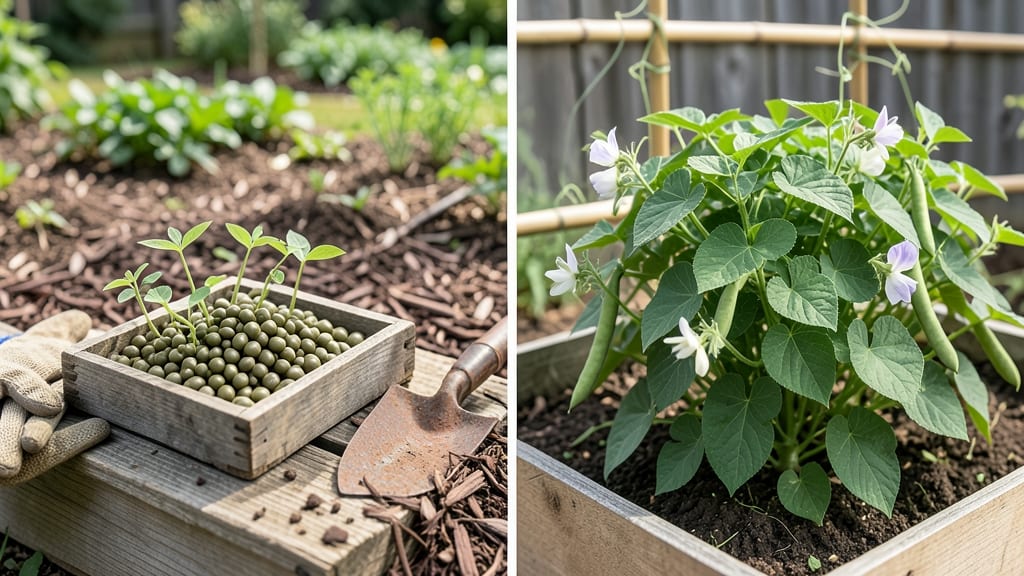
Planting green beans in Alabama at the right time means the difference between a fast, crisp harvest and a sad, wilted disappointment.
Alabama’s hot summers and mild winters make green bean planting a balancing act—get the timing wrong, and your harvest could vanish before you even taste those crisp pods. But master these soil temperature tricks, and you’ll enjoy a bountiful yield with minimal effort.
Most gardeners in 7b-8b zones know the mid-March to early July window is ideal, but the real secret lies in soil warmth. Green beans need at least 60°F to germinate, and Alabama’s spring soil can be a gamble.
Plant too early, and your seeds will sit there forever; too late, and the heat arrives before the pods set.
Below, I’ll show you exactly how to time your planting for fast germination, which varieties thrive in Alabama’s heat, and how to stretch your harvest into fall—without the guesswork.
Best planting windows for green beans in Alabama by region
Alabama's diverse climate zones mean your green bean planting schedule should vary depending on whether you're in North Alabama's cooler hills, Central Alabama's transition zone, or South Alabama's humid lowlands.
Each region has different last frost dates and soil warming patterns that directly impact germination success. Let's break down the ideal planting windows for each area to maximize your harvest potential.
For North Alabama (USDA Zones 7a-7b), where winters are cooler and springs arrive later, your planting window is more compressed. The key is to wait until soil temperatures consistently reach 60°F—this typically happens 2-3 weeks after your average last frost date.
In this region, you'll have two main opportunities: early spring for bush varieties and late summer for pole beans that can handle the heat.
In Central Alabama (USDA Zone 7b-8a), you enjoy a longer growing season with warmer springs and falls. This gives you more flexibility to plant three separate crops: an early spring planting, a late spring/early summer succession planting, and a fall planting.
The trick here is to stagger your plantings every 2-3 weeks to ensure continuous harvests through October.
South Alabama (USDA Zone 8a-8b) gardeners have the advantage of longer frost-free periods and warmer soils. You can start planting as early as mid-February for early varieties, with your last opportunity coming in early September for fall harvests.
The heat tolerance of varieties like 'Blue Lake' and 'Contender' makes them ideal for this region's summer conditions.
🌱 Comparison Table: Alabama Green Bean Planting Windows by Region
| Region | Early Spring | Late Spring | Fall | Soil Temp | Best Varieties |
|---|---|---|---|---|---|
| North AL | Mid-April to May 15 | June 15-30 | Late July to Aug 15 | 60-65°F | Blue Lake, Tendergreen |
| Central AL | March 15 to April 15 | May 1 to June 15 | July 15 to Aug 30 | 65-70°F | Contender, Kentucky Wonder |
| South AL | Mid-Feb to March 31 | April 15 to June 1 | Aug 1 to Sept 15 | 70-75°F | Rattlesnake, Blue Lake |
The soil temperature is more critical than air temperature when planting green beans. In North Alabama, you might need to use black plastic mulch or row covers to warm the soil faster in early spring plantings.
Central Alabama gardeners can often skip these tricks, but South Alabama's intense summer heat means you'll want to focus on shade cloth or succession planting during peak summer months to prevent bolting.
For all regions, pole bean varieties generally handle Alabama's heat better than bush beans, which is why they're recommended for late spring and summer plantings. The Kentucky Wonder pole bean, for example, can produce for 100+ days if given proper support and consistent moisture.
This makes it perfect for Central Alabama's extended growing season where you can plant in both spring and fall.
One common mistake I see in Alabama gardens is trying to plant too early in cold, wet soils—this leads to rot and poor germination. Always check soil temperature with a soil thermometer before planting.
For spring plantings, aim for 60°F minimum, while summer plantings can handle up to 85°F with proper irrigation. In South Alabama, you might even get away with planting in early September for a fall harvest before the first frost.
Remember that Alabama's humidity levels also affect planting times. The higher humidity in South Alabama means you'll need to be more vigilant about fungal diseases like white mold. Using dwarf varieties with good air circulation and avoiding overhead watering can help mitigate these risks.
For North Alabama gardeners, the drier air in spring makes it easier to establish plants without fungal issues.
To maximize your harvest, consider planting both bush and pole varieties in succession. Start with bush beans in early spring for quick harvests, then follow with pole beans that will produce continuously through summer.
In Central Alabama, you could potentially have three separate harvests—one in spring, one in summer, and one in fall—if you time your plantings correctly.
🌱 The key takeaway is that Alabama's climate offers two distinct growing seasons for green beans: spring and fall. By understanding your specific region's frost dates and soil warming patterns, you can
Soil temperature secrets for faster green bean germination in Alabama heat
Alabama’s spring warmth can be a double-edged sword for green bean germination. While the air may feel mild, cold soil below 60°F can stall seed sprouting for weeks.
I’ve learned the hard way that planting too early—even in March or April—often results in seeds rotting in damp, chilly soil. The key is understanding your soil’s internal temperature, not just the air temperature.
Green beans thrive when soil temperatures hover between 60°F and 85°F. Below 60°F, germination slows dramatically, and above 85°F, seeds may fail to sprout at all. Alabama’s clay-heavy soils retain heat poorly, so even sunny days can hide cold pockets.
I’ve found that morning soil temps are the most reliable indicator for planting decisions.
Key Takeaway: Alabama Green Bean Planting Timeline
North AL: April 15-May 15 | Central AL: March 20-April 30 | South AL: March 1-February 15
Soil Temp Check: Use a soil thermometer at 2-inch depth. Plant when temps consistently reach 60°F+.
Heat Hack: Cover rows with floating row covers to warm soil by 5-10°F faster.
Testing soil temperature is simpler than you’d think. A $10 soil thermometer (available at garden centers) gives instant readings at the critical 2-inch depth where seeds germinate. I check temps for 3 consecutive mornings—if they’re consistently above 60°F, it’s time to plant.
For those impatient to start, black plastic mulch laid 1-2 weeks before planting can raise soil temps by 5-8°F, accelerating germination.
If your soil runs hot—common in South Alabama’s black soils—opt for shade-tolerant varieties like ‘Contender’ or ‘Blue Lake Bush’. These handle 80-85°F soils better than heat-sensitive types.
I’ve also had success with late afternoon shade cloth during Alabama’s brutal May heat waves, which can push soil temps above 90°F and scorch young seedlings.
For fall plantings, aim for late July to early August when soil temps begin dropping. Test again in September—evenings may feel cool, but soil can still hold 75°F+ from summer’s heat.
I’ve extended my harvest by 4-6 weeks using row covers to protect seedlings from September’s unpredictable frosts while maintaining warm soil.
Remember: Consistency matters. A single warm day won’t cut it—track temps for 3-5 days to confirm your soil’s ready. In Alabama’s unpredictable spring weather, this patience pays off with uniform germination and a harvest you can count on.
The first time I nailed this, my 50 plants sprouted in 5 days instead of the usual 2 weeks!