
Plants
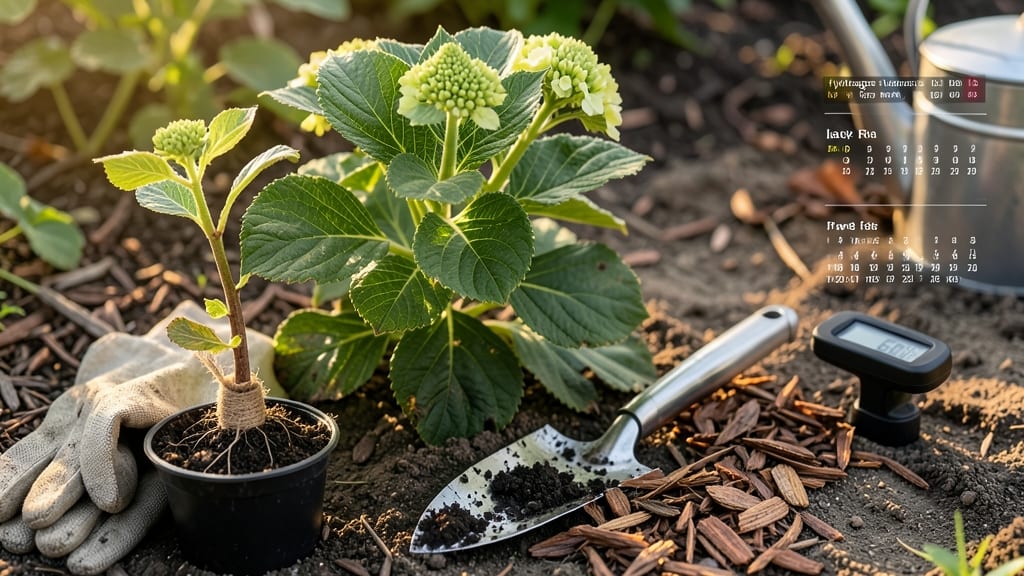
Planting hydrangeas in Iowa at the right time means the difference between a showstopping summer display and a sad, frost-nipped shrub.
Iowa’s unpredictable frost dates can make or break your hydrangea blooms—plant too early and risk losing tender roots, too late and miss the ideal growth window. Timing isn’t just about the calendar; it’s about matching your hydrangea variety to Iowa’s microclimates and frost patterns.
Most gardeners in USDA zones 5a-5b aim for late April to mid-May, but oakleaf varieties like ‘Snow Queen’ can handle an earlier start, while bigleaf types need to wait until soil warms.
Fall planting works too, but only if you get them in the ground by mid-October before the ground freezes.
Below, I’ll break down the exact frost-free windows by variety, soil prep tips to speed up root growth, and how to protect young plants from Iowa’s notorious late frosts. Ready to turn your yard into a 🌸-filled paradise?
Iowa’s frost-free dates by Zone: best planting windows for hydrangeas
Iowa’s USDA hardiness zones 4-6 create unique challenges for hydrangea growers. The average last frost date shifts from early April in southern Iowa to mid-May in northern zones, but microclimates can push these dates earlier or later by weeks.
For bigleaf hydrangeas, this means waiting until soil temperatures hit 60°F (15°C)—a critical threshold for root establishment.
Panicle and oakleaf varieties are more forgiving, tolerating cooler soils, but late-spring frosts (common in Iowa’s Zone 5) can still damage tender new growth. The key is aligning your planting window with both air and soil temperatures, not just calendar dates.
For example, Zone 4b gardeners should delay planting until May 1 to avoid frost damage, while Zone 6a can start as early as April 15.
Here’s how Iowa’s frost-free dates break down by zone, including the ideal planting windows for each hydrangea variety and soil temperature thresholds:
| USDA Zone | Avg. Last Frost Date | Soil Temp. Threshold (°F) | Bigleaf Hydrangea | Panicle Hydrangea | Oakleaf Hydrangea | Smooth Hydrangea |
|---|---|---|---|---|---|---|
| Zone 4b (Northern IA) | May 1 | 60°F (15°C) | May 15–June 1 | April 20–May 10 | April 25–May 5 | May 10–June 1 |
| Zone 5a (Central IA) | April 20 | 55°F (13°C) | April 25–May 10 | April 10–April 20 | April 15–April 25 | April 25–May 5 |
| Zone 5b (Southern IA) | April 15 | 50°F (10°C) | April 10–April 20 | March 30–April 10 | April 1–April 15 | April 10–April 20 |
| Zone 6a (Extreme SW IA) | April 1 | 45°F (7°C) | March 25–April 5 | March 15–March 25 | March 20–April 1 | March 25–April 5 |
Note: Adjust dates 1–2 weeks later if your microclimate experiences late frosts or earlier if you use row covers or cold frames.
Planting bigleaf hydrangeas too early in Zone 4b (before May 15) risks root rot from cold, wet soils, while late planting (after June 1) stunts first-year blooms. Panicle hydrangeas, like ‘Little Lime,’ are hardier and can handle cooler soils, making them ideal for early spring planting in Zones 5b and 6a.
For fall planting, aim for 6–8 weeks before first frost (typically September 1–October 15 in Iowa).
This gives roots time to establish before winter, but avoid planting after October 1 in Zone 4b, as young plants may not harden off in time. Oakleaf hydrangeas thrive with fall planting due to their cold tolerance, while smooth hydrangeas benefit from spring planting to avoid winter dieback.
Soil temperature is just as critical as air temperature. Use a soil thermometer to confirm 60°F (15°C) for bigleaf varieties or 50°F (10°C) for panicle types before planting.
In Zone 5a, where frost can linger until April 20, wait until soil warms to 55°F (13°C) to prevent root damage. Pro tip: Mulch heavily after planting to insulate roots from temperature swings.
Iowa’s erratic frost patterns mean even experienced gardeners face surprises. For example, a late-May frost in Zone 5b can devastate newly planted bigleaf hydrangeas. To mitigate risks, choose frost-resistant varieties like ‘Annabelle’ (panicle) or ‘Grandiflora’ (bigleaf), which bounce back faster from cold snaps.
Always monitor local frost alerts and have row covers ready for the first 2–3 weeks after planting.
If you’re in Zone 6a and eager to plant early, start with panicle hydrangeas in late March, as they tolerate cooler soils. For bigleaf varieties, wait until April 10 to align with soil warming trends.
In Zone 4b, focus on fall planting (September) for better survival rates, especially for oakleaf hydrangeas, which handle Iowa’s harsh winters with ease.
Remember: Hydrangeas planted in spring will bloom the following year, while fall-planted shrubs may take 2 years to produce flowers. Plan accordingly if you’re dreaming of summer blooms
Hydrangea variety planting guide: when to start seeds vs. transplants in Iowa
Deciding whether to start hydrangeas from seeds indoors or plant container-grown transplants in Iowa depends on your variety choice and local frost risks. While seeds take 12-18 months to bloom, transplants offer immediate color—but timing is critical to avoid Iowa’s late-spring frosts or summer drought stress.
For container-grown hydrangeas, aim for spring planting between April 15 and May 15 after the last frost, or fall planting from September 1 to October 15 before the first frost. Fall planting gives roots time to establish before winter, while spring planting ensures blooms in the first season.
Starting seeds indoors requires an earlier timeline: sow 6-8 weeks before your last frost date (typically early March) in well-draining seed-starting mix. Transplant seedlings outdoors after soil warms to 60°F and nighttime temps stay above 50°F consistently.
- ☑️ Soil temp check: Wait until soil reaches 60°F (use a soil thermometer)
- ☑️ Frost-free window: Confirm 3 consecutive nights above 50°F
- ☑️ Container prep: Amend soil with compost and peat moss for moisture retention
- ☑️ Watering schedule: Deep water every 3-4 days for first 2 weeks
- ☑️ Timing: Plant 6-8 weeks before first frost (typically mid-Sept)
- ☑️ Hardiness test: Verify variety tolerates Zone 4-5 (e.g., 'Annabelle' or 'Limelight')
- ☑️ Mulching: Apply 3-inch mulch layer after planting
- ☑️ Watering: Water deeply before frost to encourage root growth
- ☑️ Sow seeds: Early March (6-8 weeks before last frost)
- ☑️ Germination: Keep soil 70-75°F with humidity dome
- ☑️ Hardening off: 2 weeks before transplanting (mid-April)
- ☑️ Transplant: After soil warms to 60°F and nights stay above 50°F
Iowa’s heatwaves and drought stress can stress young hydrangeas, so prioritize well-draining soil and morning watering to prevent fungal issues. For container-grown plants, choose compact varieties like 'Little Lime' that tolerate Iowa’s summer heat better than larger types.
Pro tip: Monitor local microclimates—southern Iowa’s Zone 6 areas can plant 2 weeks earlier than northern Zone 4 regions. Use a frost calendar from your local Iowa State Extension office for precise dates.
Remember, panicle hydrangeas (like 'Limelight') bloom on new wood, so fall planting won’t delay blooms. But bigleaf varieties (like 'Nikko Blue') need 2 years to bloom—start seeds early if you’re patient for color!