
Plants
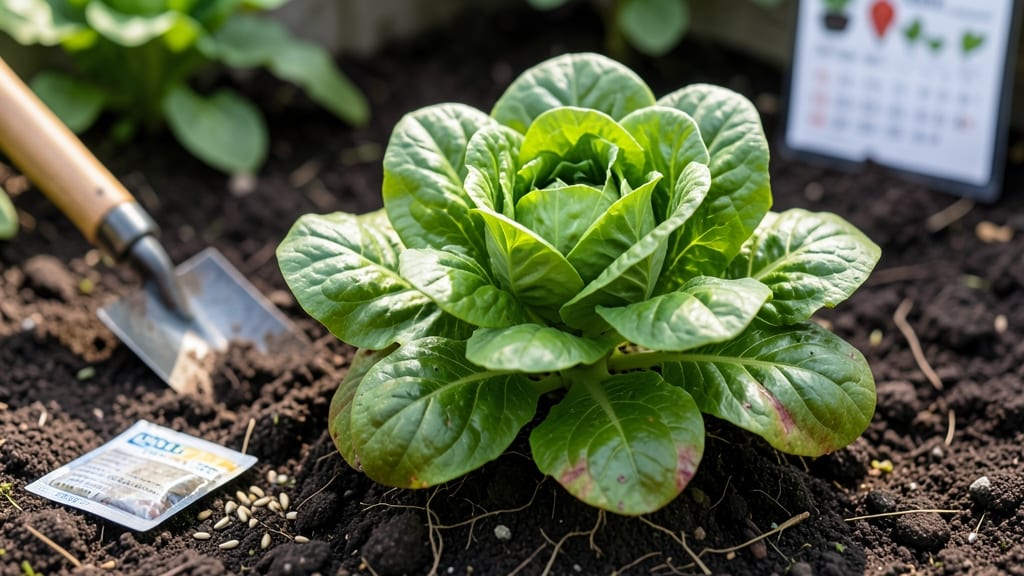
Planting lettuce in Northern California at the right time means the difference between crisp, homegrown salads and bolted, bitter greens 🥬.
If you’ve ever watched your lettuce turn to seed before you could harvest it—or worse, wilt under a late frost—you know timing is everything.
Northern California’s mild winters and long growing seasons make it ideal for lettuce, but one wrong move and your garden turns into a science experiment gone wrong.
Here’s the exact schedule to nail your planting windows, from the Bay Area’s coastal breezes to the Sacramento Valley’s inland heat. We’ll cover frost dates, heat-resistant varieties, and how to stretch your harvest from spring to fall without a single bitter leaf in sight.
You’ll learn when to start seeds indoors, how to adjust for microclimates, and the 3-step succession planting trick that keeps your kitchen stocked for months. No more wasted effort—just crisp, ready-to-eat lettuce all season long.
Northern California lettuce planting zones: frost-free deadlines by region
Northern California’s diverse microclimates create perfect conditions for growing lettuce, but knowing your planting zone and frost dates is critical. The Bay Area, Sacramento Valley, and coastal regions each have unique timelines for cool-season crops like romaine, butterhead, and leaf lettuce.
Plant too early, and a light frost will damage tender leaves; too late, and summer heat will cause bolting (premature flowering).
I’ve broken down the optimal planting windows by region, including adjustments for urban heat islands and coastal breezes. Whether you’re in San Francisco’s foggy hills, Sacramento’s Central Valley, or Santa Cruz’s coastal gardens, these deadlines will help you time your harvests for peak crispness.
Let’s dive into the specifics so you can avoid common mistakes and maximize your yield.
🌱
| Region | Last Frost Date | First Frost Date | Best Planting Window | Heat Threshold | Microclimate Adjustments |
|---|---|---|---|---|---|
| Bay Area (SF, Oakland, Berkeley) | February 15 | November 1 | Feb 1 - Mar 15 & Aug 15 - Sep 15 | Bolts at 75°F+ | Urban areas: Plant 2 weeks later; coastal: 1 week earlier |
| Sacramento Valley (Sacramento, Stockton) | February 20 | October 31 | Feb 15 - Mar 30 & Aug 1 - Sep 10 | Bolts at 80°F+ | Inland heat: Use shade cloth in summer; irrigated areas: Plant earlier |
| Coastal (Santa Cruz, Monterey) | February 10 | November 10 | Jan 15 - Mar 30 & Aug 1 - Oct 1 | Bolts at 70°F+ | Cooler temps: Extend fall planting to Oct 15; windbreaks needed |
For the Bay Area, aim to plant your lettuce seeds between February 1 and March 15 for a spring harvest. The coastal breeze keeps temperatures mild, but urban areas like Oakland can experience heat islands that delay planting by up to 2 weeks.
If you’re growing butterhead lettuce, prioritize these early windows—it’s less heat-tolerant than romaine or leaf lettuce.
In the Sacramento Valley, where summer temperatures climb faster, start seeds February 15 to March 30 for spring and August 1 to September 10 for fall. The valley’s hot afternoons mean you’ll need to provide afternoon shade or use heat-tolerant varieties like ‘Jericho’ to avoid bolting.
Irrigated farmland can push planting dates back slightly due to cooler soil temperatures.
Coastal regions like Santa Cruz enjoy the longest growing season. You can plant as early as mid-January and extend into October for fall crops. The cooler maritime climate allows for successive plantings every 2 weeks, giving you a near-continuous harvest.
Just watch for coastal fog, which can encourage fungal diseases—ensure good air circulation around your plants.
🌿
If you’re unsure about your exact microclimate, observe your garden’s behavior. Urban areas often run 5-10°F warmer than rural spots just a few miles away. Use a minimum-maximum thermometer to track temperatures and adjust your planting schedule accordingly.
For example, if your backyard hits 80°F by noon, switch to shade-loving varieties or provide row covers during peak heat.
Pro tip: Succession planting is key to avoiding gaps in your harvest. In the Bay Area, sow a new batch of seeds every 10-14 days from February through April.
This ensures you’ll always have young, tender leaves ready to pick. Pair this with heat-tolerant varieties in late summer for a fall harvest that lasts until November.
💧
One common mistake I see is planting lettuce in late spring when temperatures consistently exceed 75°F. Even heat-tolerant varieties will bolt quickly, turning your crisp greens into bitter, seed-filled stalks.
Instead, focus on early spring and late summer plantings and use shade cloth (30-50%) to protect your crops during heatwaves.
For container gardening in urban areas, choose compact varieties like ‘Little Gem’ romaine or ‘Salad Bowl’ butterhead. These thrive in pots and can be moved to cooler spots during heatwaves. Just ensure your containers have drainage holes to prevent root rot—a common issue in Northern California’s clay-heavy soils.
How to extend your lettuce harvest: succession planting and heat-tolerant varieties
Want to enjoy fresh lettuce from your garden for months, not weeks? The secret lies in succession planting—a technique I’ve used to harvest crisp greens in Northern California through spring and fall.
By spacing out plantings every 2-3 weeks, you’ll avoid the dreaded bolting that turns your lettuce bitter during summer’s heat. This method also ensures you’re never without fresh greens when your first batch matures.
But not all lettuce varieties handle our region’s summer heat the same way. Some bolt within days, while others thrive under the sun. I’ve tested heat-tolerant varieties like ‘Jericho’ and ‘Black Seeded Simpson’—both of which stay crisp even when temperatures climb.
Pair these with smart shade strategies and mulching, and you’ll extend your harvest by 3-4 cycles per year. Let’s break down the exact steps to make it happen.
- First Planting: Start seeds or transplants 4-6 weeks before your last frost date (typically mid-February for most of Northern California). Use cool-season varieties like ‘Buttercrunch’ or ‘Romaine’.
- Succession Plant: Sow new seeds every 2-3 weeks until mid-April. This ensures a staggered harvest through June.
- Summer Break: Pause planting in May-July to avoid bolting. Instead, opt for heat-tolerant varieties like ‘Jericho’ or ‘Simpson Elite’ and plant in late July.
- Fall Revival: Begin another round of succession plantings in August for a fall harvest. Use shade cloth if temps exceed 80°F.
- Final Harvest: Extend your season into November by planting cold-hardy varieties like ‘Winter Density’ in September.
To keep your lettuce from bolting during summer’s heat, I swear by shade cloth (30-50% coverage) and mulching with straw or wood chips. This keeps roots cool and soil moisture steady.
I also water deeply in the early morning to prevent stress—lettuce hates soggy roots but thrives with consistent moisture. For container gardens, choose shallow-rooted varieties like ‘Salad Bowl’ and place pots in partial shade during peak afternoon sun.
One of my favorite tricks? Interplanting lettuce with radishes or bush beans. Radishes mature quickly, giving you a harvest before the lettuce needs more space. Meanwhile, beans provide light shade for the lettuce as they grow taller.
It’s a win-win for space efficiency and pest control, as beans deter aphids that love lettuce leaves. Plus, the nitrogen they fix into the soil boosts your greens’ growth.
Don’t overlook the power of fertilizer timing. Lettuce needs nitrogen-rich soil but goes dormant in heat. I feed mine with compost tea or a 5-10-10 fertilizer every 3-4 weeks in spring and fall, but skip fertilizing entirely in summer.
Overfeeding during heat spikes bolting faster. Instead, focus on organic matter like aged compost to improve soil structure and water retention.
With these strategies, I’ve harvested lettuce nearly year-round in my Northern California garden. The key? Plan ahead, choose the right varieties, and adapt to the weather.
Whether you’re a beginner or a seasoned gardener, extending your harvest is as simple as staggering plantings and keeping your greens cool. Now grab your seeds and let’s get growing! 🥬