
Plants
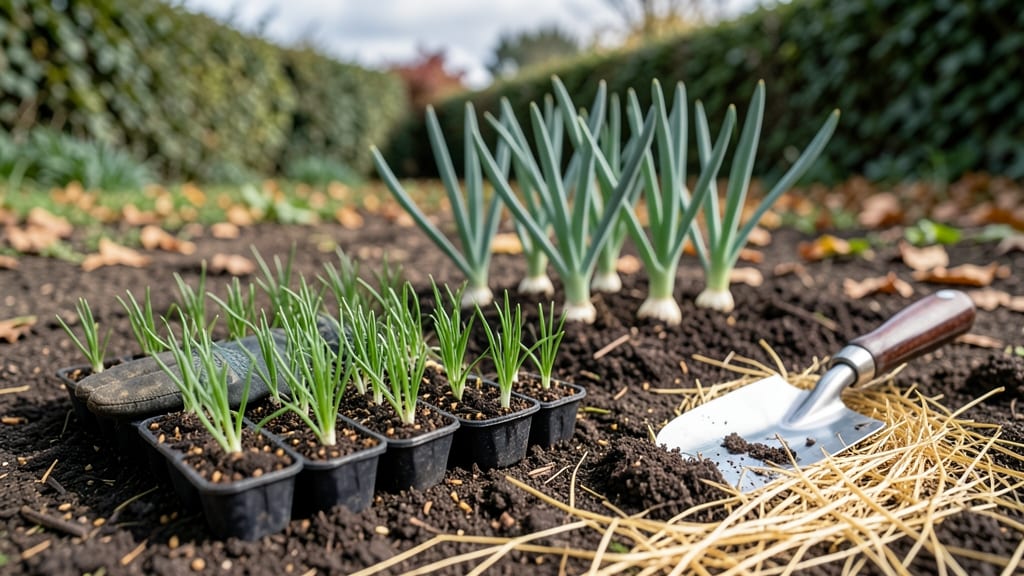
Planting onions in fall means timing your 🧅 seeds or sets 4-6 weeks before the ground freezes—a window that makes all the difference between next summer’s harvest and wasted effort.
Picture this: you’ve prepped your soil, ordered your favorite varieties, and the weather forecast looks perfect—until a surprise frost hits. One wrong week can leave your onions struggling to establish roots before winter sets in, or worse, rotting in the cold ground.
In USDA Zone 6a (like much of the Midwest and Northeast), that means getting them in the ground by late October at the latest. But if you’re in a warmer region, you might have until early December. The key? Understanding your local frost dates and soil temperatures.
Below, I’ll break down the exact weeks to plant by zone, how to adjust for early or late frosts, and which onion varieties thrive when started in fall—so you can walk away with plump, flavorful bulbs instead of disappointment.
Fall onion planting calendar by USDA hardiness zones
Getting your fall onion planting timed perfectly ensures robust bulbs that survive winter and reward you with sweet, flavorful harvests next summer. The key? Planting 4-12 weeks before your first frost, depending on your USDA hardiness zone.
Cooler fall temperatures help onions develop strong roots before dormancy, while avoiding late planting risks frost damage before establishment.
Soil temperatures play a critical role—ideal planting conditions occur when soil cools to 50-60°F (10-15°C). This window typically falls between late September and November, but exact timing varies dramatically across zones.
For example, gardeners in Zone 3 might plant as early as mid-August, while those in Zone 10 can extend planting into December.
Below is your zone-specific planting calendar with exact weeks before first frost, ideal soil temps, and frost-free guidelines to maximize bulb success. Use this as your roadmap to avoid common mistakes like planting too late or too early.
In Zones 3-4, where winters are harsh, aim to plant 10-12 weeks before your first frost. Varieties like 'Candy' or 'Red Baron' thrive in these conditions.
Use heavy mulch (6+ inches) to insulate bulbs during dormancy. For Zones 5-6, the classic 8-10 week window works perfectly—this is the sweet spot for most gardeners.
Gardeners in Zones 7-8 enjoy more flexibility, with planting possible until early November. Take advantage of milder winters by extending your window or even trying a second planting in December for early spring harvests.
In Zones 9-10, where frost is rare, you can plant right up until December, but prioritize soil temperature drops below 65°F (18°C) as your cue.
Always calculate your frost-free period by subtracting the number of weeks before frost from your total frost-free days. For example, in Zone 6a (165 frost-free days), planting 8 weeks before frost leaves 157 days for bulb development—ideal for large, mature onions.
Use this formula to adjust for your specific location.
One common mistake is planting too late, which leaves onions vulnerable to early winter freezes before roots establish. Conversely, planting too early in warm zones can result in premature bolting (flowering) or weak bulb formation.
To avoid these pitfalls, monitor soil temperatures with a soil thermometer and adjust your timeline accordingly.
For container gardening, reduce the planting window by 2-3 weeks since pots cool faster. Use black plastic mulch to maintain warmer soil temps in early fall plantings. If you're unsure about your exact frost date, err on the earlier side—onions are more forgiving of early planting than late.
Protect your investment with row covers or straw mulch if an unexpected early frost threatens. Even a single night below 20°F (-7°C) can damage young plants. By following this zone-specific calendar, you'll set your onions up for successful overwintering and a bountiful harvest the following summer.
How to adjust planting dates for early vs late frost climates
Your local frost dates are the most critical factor when planting fall onions. In early frost climates (like USDA Zones 3-5), you’ll plant 4-6 weeks before the first frost to give roots time to establish.
In late frost zones (like Zones 7-9), you can wait 8-10 weeks out—even into early December—since the ground stays workable longer.
For example, if your first frost arrives October 30, aim for September 15 planting in Zone 5. But in Zone 8, where frost hits December 15, you could plant as late as late October and still succeed.
Always check your local frost average—not just the calendar.
⚠️ callout-warning ⚠️
If you plant within 3-4 weeks of hard freeze, your onions won’t develop strong roots before dormancy. This leads to small, weak bulbs or complete failure. Use a soil thermometer—roots need 40-50°F soil to establish before winter.
Signs your onions are struggling in cold weather:
- Yellowing leaves before spring
- Soft, mushy bulbs when dug
- Slow or no regrowth in spring
🌱 Fix it: Mulch heavily with straw (4-6 inches) after planting to insulate roots.
To adjust for your climate, start by calculating your frost-free window. Subtract 4-6 weeks from your first frost date for early zones, or 8-10 weeks for late zones. For instance, in Zone 6, where frost hits November 1, plant by September 20.
In Zone 9, with a December 15 frost, you can plant until late October.
Another trick is to test soil readiness before planting. Stick your finger 2 inches deep—if the soil feels cool but workable (not icy), it’s time. In northern climates, this might mean mid-September; in southern zones, it could be November.
Always plant short-day onion varieties for fall, as they’re bred to bulb in cooler weather.
Watch for cold weather stress signs after planting. If your onions wilt suddenly or develop blackened tips, they’re likely too cold. In this case, add a light row cover or move to a sheltered microclimate (like near a south-facing wall).
Overwintered onions need consistent moisture but good drainage—never let them sit in soggy soil.
Finally, remember that spring harvest timing depends on your fall planting. Onions planted in early fall (like September) will mature 2-3 weeks earlier than those planted in late fall.
Plan accordingly if you’re saving seeds or selling at market. The key is balance: plant early enough for roots, but not so late that bulbs don’t mature.