
Plants
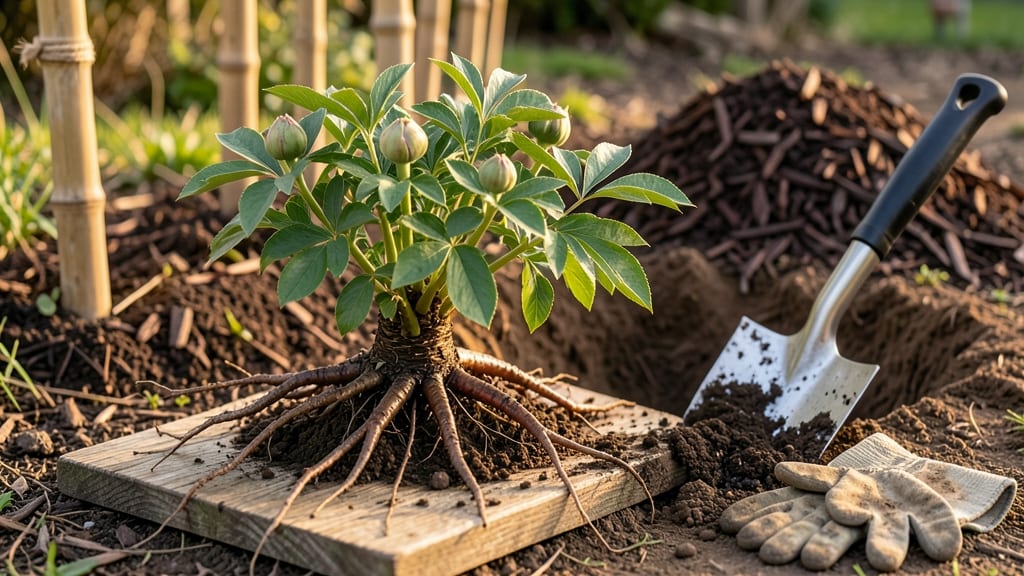
Planting peonies in Zone 5 during early fall — between September and mid-October — is the secret to decades of vibrant blooms.
Peonies are the crown jewels of any garden—but planting them at the wrong time in Zone 5 can mean years of disappointment. Timing isn’t just about avoiding frost; it’s about giving these divas the perfect cold snap to root deeply before summer’s heat arrives.
Bare-root peonies thrive when planted in cool soil, ideally between 40°F and 50°F, which aligns perfectly with Zone 5’s fall temperatures. This window ensures strong root growth before winter dormancy, setting the stage for show-stopping flowers in late spring.
Below, I’ll walk you through the exact month-by-month planting schedule, soil prep tricks, and the three mistakes that kill Zone 5 peonies before they even bloom.
Ideal planting window for Zone 5 peonies: month-by-month breakdown
Peonies thrive in Zone 5 when planted during their natural dormancy period, which aligns perfectly with fall's cooling temperatures. This timing allows roots to establish before winter dormancy, ensuring vibrant blooms the following spring.
The optimal window spans from late September to mid-October, but understanding the month-by-month nuances can make all the difference for your Zone 5 garden.
While spring planting is possible, it’s riskier because peonies need 6-8 weeks of cool soil (below 60°F) to root before summer’s heat arrives. Fall planting gives them this head start naturally.
Let’s break down the best months, soil temperature thresholds, and why late fall is critical for success.
⚠️ Key Insight: Peonies planted in fall will flower 1-2 years earlier than those planted in spring, thanks to their established root systems. This makes fall the preferred method for most gardeners in Zone 5.
| Month | Soil Temp Threshold | Planting Window | Why This Matters | Action Steps |
|---|---|---|---|---|
| August | 65-75°F | Early August (bare-root only) | Soil is still warm; roots struggle to establish. | Soak roots, plant shallowly, and mulch heavily. |
| September | 55-65°F | Ideal window (early to mid-September) | Perfect balance: cool enough for roots, warm enough for growth. | Plant 2-3 inches deep, eyes facing up, and water deeply. |
| October | 45-55°F | Best window (mid-October) | Cooler soil triggers root growth before dormancy. | Plant by October 15; mulch 4-6 inches thick. |
| November | Below 45°F | Late November (risky) | Frost may damage tender roots; limited time for establishment. | Only plant if soil isn’t frozen; use extra mulch. |
| April | 40-50°F | Spring (last resort) | Roots need 6-8 weeks to establish before summer heat. | Soak roots, plant shallow, and water daily for 2 weeks. |
For bare-root peonies, the September-October window is non-negotiable. These plants arrive dormant and need 4-6 weeks of cool soil to wake up and establish roots. If you miss this window, your peonies may bolt to the surface or struggle to bloom in their first year.
Spring planting is only recommended if you’re working with container-grown peonies, which have a head start. Even then, plant as early as possible—late March to early April—to maximize root growth before summer. The last frost date in Zone 5 (around April 15) is your cutoff.
Here’s the critical rule: Never plant peonies when soil temperatures exceed 60°F. At this threshold, roots become metabolically active and can’t handle transplant shock. Use a soil thermometer to check—this small investment can save years of frustration.
Once planted in fall, mulching is non-negotiable. Apply 4-6 inches of organic mulch (straw or shredded leaves) to insulate roots during winter. This protects them from freeze-thaw cycles and keeps soil temperatures stable. In spring, remove half the mulch to allow soil to warm gradually.
If you’re in a warmer microclimate within Zone 5 (like a south-facing slope), aim for early September planting. Conversely, in cooler pockets, mid-October is safer. Always check your local frost dates—they can vary by 1-2 weeks even within the same zone.
Pro tip: Mark your peony planting spot in late summer so you’re ready when the bare-root plants arrive. Peonies hate being moved once established, so permanent placement is key. Plant them 2-3 feet apart to allow for mature foliage
How to prepare Zone 5 soil for peonies: the secret to long-lasting blooms
Zone 5’s heavy clay or sandy soils can make or break your peonies. These long-lived perennials need the perfect balance of nutrients, drainage, and organic matter to thrive for decades. Without proper prep, you’ll end up with weak stems, sparse blooms, or—worst of all—plants that refuse to establish.
The key lies in understanding your soil’s unique challenges and giving peonies the foundation they crave.
Start by testing your soil’s pH level. Peonies prefer a slightly acidic to neutral range of 6.5 to 7.0.
If your soil tests higher or lower, you’ll need to amend it before planting. Clay soils often retain too much moisture, while sandy soils drain too quickly—both can stress peonies. The solution? A custom blend of organic matter and mineral amendments tailored to your soil type.
⚠️ WARNING: Planting in Unprepared Soil ⚠️
- Root rot in clay (from poor drainage)
- Nutrient leaching in sand (from fast drainage)
- Stunted growth from improper pH (below 6.0 or above 7.5)
For clay-heavy soils, mix in 2-3 inches of compost and 1 part perlite or coarse sand to every 3 parts soil. This improves aeration while retaining moisture.
For sandy soils, blend in equal parts compost and peat moss, then top with a 2-inch layer of mulch to slow water loss. Both amendments should be worked into the top 12 inches of soil where peony roots will spread.
Next, adjust the pH balance. If your soil tests below 6.5, sprinkle lime (calcitic or dolomitic) at a rate of 5-10 pounds per 100 square feet, then re-test in 4-6 weeks.
For soil above 7.0, add elemental sulfur (follow package rates) and water deeply. Peony roots thrive when nutrients like phosphorus and potassium are readily available—aim for a balanced 5-10-10 fertilizer mixed into the soil at planting time.
Mulching is the final secret to long-lasting blooms. After planting, apply a 3-inch layer of organic mulch (like shredded bark or straw) around the base of your peonies.
This keeps soil temperatures stable, reduces weed competition, and slowly releases nutrients as it decomposes. Avoid piling mulch directly against the crown—keep it 2 inches away to prevent rot. Replenish mulch annually in early spring to protect roots during Zone 5’s fluctuating temperatures.
With these steps, your peonies will establish strong roots, resist common Zone 5 soil diseases, and reward you with vibrant blooms for 20+ years. The effort upfront pays off in low-maintenance beauty—just imagine those lush, fragrant flowers returning year after year without fuss. Happy digging! 🌸