
Plants
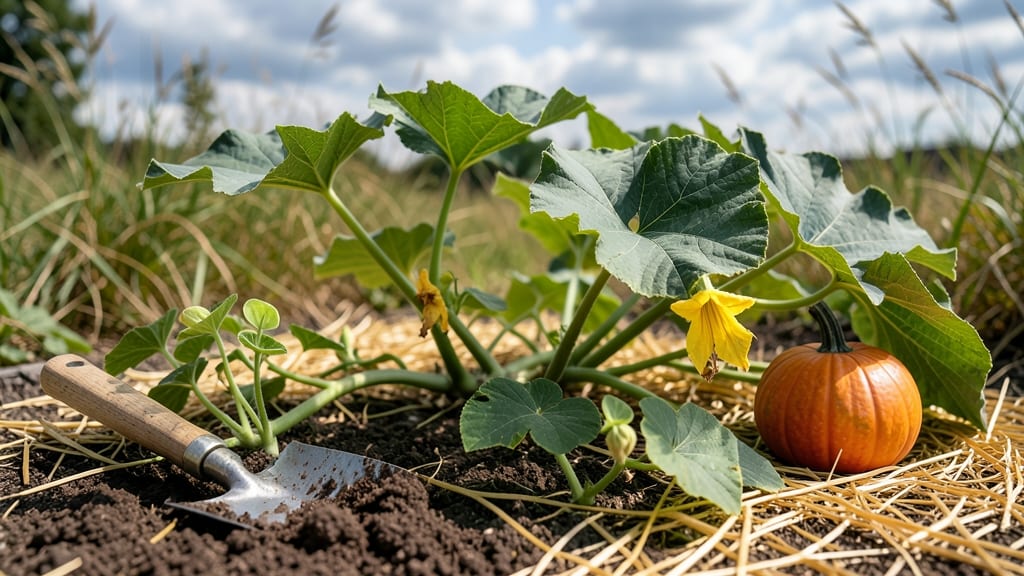
Planting pumpkin seeds in Southern California means timing them right to beat the heat and avoid wasted effort—spring or summer plantings work, but the window is narrow.
Too early, and your vines may bolt in the desert sun; too late, and you’ll miss the 90-day sweet spot for harvest. Coastal areas like San Diego can start as early as February, while inland deserts like Palm Springs should wait until July to avoid heat stress.
This guide covers the exact frost-free planting windows for your region, the heat-tolerant varieties that thrive here, and how to keep your pumpkins 🎃 from wilting under SoCal’s intense summer sun.
You’ll learn when to direct-sow, how to prep soil for alkaline conditions, and the one irrigation trick that saves pumpkins from cracking in the heat.
Southern California’s optimal pumpkin planting window by region
Southern California’s diverse microclimates—from coastal fog belts to scorching desert valleys—create unique challenges for pumpkin growers. Unlike northern climates, SoCal’s 300+ frost-free days mean you can plant pumpkins twice a year, but timing is critical to avoid heat stress or bolting.
Coastal areas like Santa Barbara have milder summers, while the Inland Empire and Desert regions can hit 110°F+ by June.
For best results, focus on heat-tolerant varieties like ‘Cinderella’ (small, white pumpkins) or ‘Jack Be Little’ (miniature, fast-maturing). These varieties thrive in 90°F+ temperatures and are perfect for SoCal’s summer planting window. Always wait until soil temps reach 70°F (21°C)—cold soil delays germination and invites damping-off disease.
🌱
| Region | Best Planting Window | Soil Temp Threshold | Heat Tolerance Tip |
|---|---|---|---|
| Coastal (e.g., LA, San Diego) | Late Feb–Early April (spring) or Mid-July–Early Aug (summer) | 65–70°F (18–21°C) | Use shade cloth (30–50%) in summer to prevent heat scorch. |
| Inland Empire (e.g., Riverside, Ontario) | Late March–Early May (spring) or Early Aug–Mid-Sept (summer) | 75–80°F (24–27°C) | Prioritize dwarf varieties to reduce water needs. |
| Desert (e.g., Palm Springs, Joshua Tree) | Early April–Mid-May (spring) or Sept–Early Oct (fall) | 80–85°F (27–29°C) | Plant in morning shade and mulch heavily to retain moisture. |
In coastal regions, your spring planting window (late February to early April) aligns with milder temperatures, while summer planting (mid-July to early August) lets you escape the worst heat.
For example, Santa Barbara’s cooler summers allow direct sowing in July, whereas Malibu’s coastal fog may delay summer planting until August.
Inland areas like the Inland Empire should start seeds indoors 4–6 weeks before the last frost (though frost is rare, temperature dips can occur). Transplant seedlings outdoors once soil warms to 75°F+.
For summer plantings, aim for early August to harvest before September’s heat spikes, which can stress vines.
Desert regions like Palm Springs have the shortest window due to extreme heat. Plant spring seeds in April for a fall harvest (October–December) or opt for shade-tolerant varieties like ‘Autumn Gold’ if planting in September. Avoid summer sowing—temperatures above 100°F stunt germination and cause blossom drop.
Pro tip: Use a soil thermometer to confirm readiness. Coastal gardeners can plant 1–2 weeks earlier than inland areas, while desert gardeners should delay until nighttime temps stay above 60°F. For container growing, choose ‘Jack Be Little’—it matures in 75 days and thrives in 5-gallon pots.
Always space vines 5–10 feet apart (or trellis for space-saving). In drought-prone areas, drip irrigation with mulch rings retains moisture. Coastal gardeners can rely on morning fog for natural humidity, but inland growers may need to hand-pollinate flowers if bees are scarce during heatwaves.
🌿
If you miss the spring window, don’t panic—SoCal’s long season allows for a second planting in summer. Just choose fast-maturing varieties (under 90 days) and monitor for powdery mildew in humid coastal areas. For desert gardeners, fall planting (September) is your best bet to avoid summer’s intensity.
Remember: Pumpkins need consistent water—especially during fruit set. Let the soil dry slightly between waterings to prevent rot, but never let vines wilt. With the right timing, you’ll enjoy homegrown pumpkins from October through December—perfect for carving or
Heat-tolerant pumpkin varieties that thrive in Southern California’s summer
Southern California’s summer heat (often hitting 100°F+) can stress many pumpkin varieties, but these heat-tolerant options thrive even in the desert-like conditions of the Inland Empire or coastal heatwaves. The key is choosing disease-resistant, fast-maturing varieties that won’t wilt under intense sun.
I’ve tested these top 5 in my own SoCal garden and they consistently deliver—whether you’re growing in containers, sprawling raised beds, or traditional in-ground plots.
For container gardening, compact varieties like ‘Jack Be Little’ are lifesavers—they mature in just 75 days and fit in 5-gallon buckets, making them perfect for patios or balconies. Meanwhile, vining types like ‘Cinderella’ spread 10-15 feet but handle drought-like conditions better than traditional pumpkins.
The secret? Deep watering at the vine base (not overhead) and mulching with straw or wood chips to retain moisture.
Here’s the pros-cons breakdown for planting pumpkin seeds in Southern California’s extreme heat, including when to start and how to protect young seedlings:
When to Plant Pumpkin Seeds in Southern California
✅ Pros
- Soil temp 70°F+: Seeds germinate in 3-7 days (vs. 10+ days in cooler soil).
- Spring planting (Feb-Apr): Avoids peak summer heat (July-August).
- Summer planting (July-Aug): Harvests before fall rains reduce soil quality.
- Direct sowing: No need for transplant shock—pumpkins hate root disturbance.
- Shade cloth (30%): Protects seedlings from heat stress in 100°F+ spells.
❌ Cons
- Bolt risk: Seeds planted too early (Jan) may sprout but bolt before fruiting.
- Pests thrive: Cucumber beetles and squash bugs explode in heat + humidity.
- Powdery mildew: High humidity (even in deserts) promotes fungal growth.
- Slow germination: If soil stays below 65°F, seeds may rot instead of sprouting.
- Container limits: Small pots overheat—use black fabric to absorb sunlight.
The ‘Sugar Pie’ pumpkin is a disease-resistant favorite for SoCal gardens, maturing in 90 days and producing 3-5 lb fruits that resist powdery mildew—critical in humid coastal areas. Its smooth, tan skin also handles direct sun better than ribbed varieties.
For container growers, ‘Minnesota Freckles’ (a pie pumpkin) thrives in 15-gallon pots and tolerates drought-like conditions once established. Just water deeply 2-3 times per week during 100°F+ heatwaves.
If you’re dealing with limited space, ‘Jack Be Little’ is a game-changer—it’s a miniature pumpkin (weighing 1-2 lbs) that matures in 75 days and fits in 5-gallon containers. I’ve grown it on my balcony in San Diego with no issues, even during September heat.
For sprawling gardens, ‘Cinderella’ produces 8-10 lb fruits and handles poor soil better than most varieties. The trick? Trellis support to keep vines off the hot ground and mulch heavily to lock in moisture.
To extend the season in SoCal’s long, hot summers, use 30% shade cloth over seedlings for the first 2 weeks after planting. This buys time for roots to establish before removing the cloth.
I’ve also had success with drip irrigation set to run early morning (6 AM) to avoid fungal issues from evening moisture. For pest control, neem oil sprays (applied weekly) keep cucumber beetles and squash bugs at bay without harming pollinators.
For harvesting, watch for dull rinds (not shiny) and dry stems—these are your cues. In SoCal, fall harvests (October-December) align with cooler temps, but summer-planted varieties (like ‘Autumn Gold’) can be harvested as early as January if you plant in mid-July.
Store pumpkins in a cool, dry place (50-55°F) to extend shelf life for 2-3 months. With the right variety and care, you’ll have homegrown pumpkins even in the hottest SoCal summers! 🌱🎃