
Plants
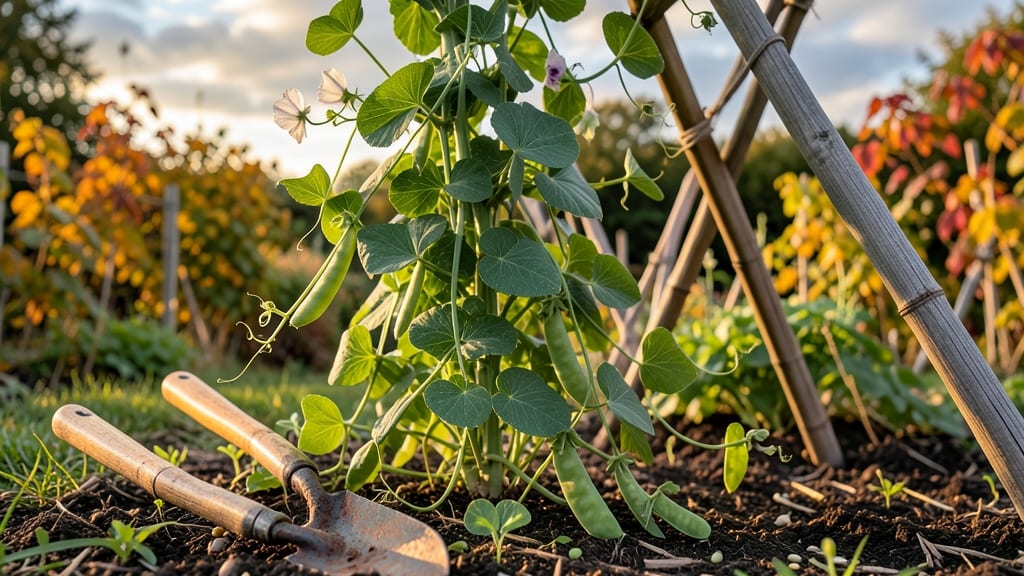
Planting snow peas in the fall lets you enjoy fresh, sweet pods when most gardens are winding down—just 4-6 weeks before your first frost is the magic window.
Picture this: crisp mornings, golden light spilling over your garden, and snow peas 🌱 climbing their trellis with zero competition from weeds or pests. But miss that timing, and you’ll either get bitter peas or a frost-killed crop before harvest.
The good news? With the right schedule, you can push your growing season well into late fall—even in cooler climates.
Your exact planting date depends on your USDA zone, but late August to mid-September is the sweet spot for most gardeners in zones 6a and warmer. In colder regions, start even earlier, around early August, to give the peas time to mature before winter sets in.
The key is balancing frost dates with the plant’s 50-70 day growth cycle—too early, and they’ll bolt; too late, and frost will nip them before they produce.
Below, I’ll break down how to pinpoint your perfect planting window, extend your harvest with simple tricks, and set up your snow peas for success—so you’re picking tender pods long after your neighbors have packed up their tools.
Optimal fall planting windows for snow peas by USDA hardiness zones
Timing your snow pea planting in fall requires precision—plant too early, and they’ll bolt; too late, and frost ruins tender pods. The general rule is to sow 6-8 weeks before your first frost, but your USDA zone and local climate dictate exact dates.
Coastal areas often have warmer microclimates than inland regions, extending your window by 1-2 weeks.
Snow peas thrive in cool fall weather (50-70°F) and can tolerate light frosts (28°F for young plants). Their 50-70 day maturity means you’ll need to adjust planting dates based on your zone’s frost date.
For example, Zone 3 gardeners should plant by early August, while Zone 10 can extend planting into October.
Here’s your zone-by-zone planting schedule, accounting for regional variations:
| USDA Zone | Planting Window | Coastal Adjustment | Frost Threshold | Notes |
|---|---|---|---|---|
| Zones 3-4 | Late July to early August | +1 week (cooler coastal zones) | 28°F (light frost tolerance) | Use row covers for extended harvest. |
| Zones 5-6 | Mid-August to early September | +2 weeks (Pacific Northwest) | 25°F (young plants only) | Prioritize fast-maturing varieties (50 days). |
| Zones 7-8 | Late August to mid-September | +1 week (Gulf Coast) | 30°F (mature plants) | Succession plant every 2 weeks. |
| Zones 9-10 | Early September to October | -1 week (desert climates) | 32°F (minimal risk) | Plant near warm structures for heat retention. |
| Zone 11 | October to November | N/A (tropical) | 35°F (rare frost) | Treat as winter crop in mild zones. |
For coastal gardeners, milder ocean breezes can push planting dates later. For example, in Zone 7’s Pacific Northwest, you might plant until mid-October, while inland areas should finish by September 15th.
Always check your local frost date—even a 2-3°F difference can shift your window by a week.
In Zone 5-6, aim for mid-August planting to ensure harvest before hard frosts. Use fast-maturing varieties like ‘Oregon Sugar Pod’ (55 days) to beat early freezes. For Zone 9-10, late September plantings can yield pods through December, especially with row covers for protection.
Pro tip: Soil temperature matters just as much as air temperature. Snow peas prefer 50-70°F soil—use a soil thermometer to confirm readiness. If your soil runs cooler than 50°F, delay planting or use black plastic mulch to warm it faster.
Always account for daylight hours—snow peas need 12+ hours of daylight to thrive. In northern zones (3-5), shorter days may slow growth, so prioritize early planting and fast varieties. In southern zones (8-11), longer daylight extends your window but watch for heat stress above 85°F.
For extended harvests, consider succession planting every 2 weeks in zones 6-10. This ensures a steady supply of tender pods before winter sets in. Pair this with cold frames or low tunnels to push your harvest into December in mild climates.
Remember: Frost tolerance ≠ frost resistance. Young plants can handle 28°F, but mature pods will suffer above 30°F. Always harvest before hard frosts (<25°F) to preserve sweetness.
5 Critical factors that determine your exact planting date
Timing your snow pea planting isn't just about guessing—it's a science of soil warmth, daylight hours, and frost forecasts. Since snow peas need 50-70 days to mature, planting too early means leggy plants, while planting too late risks frost damage.
Let’s break down the five factors that give you the perfect window for your region.
First, check your last frost date. Snow peas tolerate light frosts but won’t survive hard freezes. For a fall harvest, aim to plant 6-8 weeks before the first expected frost.
For example, if frost hits November 15, your planting window closes around September 20. Use the National Weather Service or local cooperative extension for precise dates.
Next, monitor soil temperature. Snow peas thrive when soil stays above 45°F (7°C). Use a soil thermometer to confirm—cool soils slow germination. In cooler climates (zones 3-5), wait until late August or early September.
Warmer zones (7-10) can start as early as July, but avoid extreme heat, which stresses seedlings.
- 📅 Frost Forecast: Plant 6-8 weeks before first frost. Example: Frost on Nov 15? Plant by Sep 20.
- 🌡️ Soil Temp: Minimum 45°F (7°C). Test with a thermometer—cool soils delay growth.
- ☀️ Daylight Hours: Snow peas need 6+ hours of sun. Fall daylight drops—extend with row covers if needed.
- ⏳ Maturity Timeline: 50-70 days to harvest. Count backward from frost date to pick your window.
- 🌱 Seedling Readiness: Start indoors 4-6 weeks before transplanting to avoid shock in cooler soils.
Don’t overlook daylight hours. Snow peas need 6+ hours of sun daily, but fall days shorten quickly. If your location drops below 6 hours by planting time, use row covers or a south-facing trellis to maximize light.
For example, in zone 6, daylight shrinks from 14 hours in July to 10 hours by late September—plan accordingly.
Your snow pea variety also matters. Faster-maturing types (e.g., 'Sugar Snap') need only 50 days, while slower varieties (e.g., 'Oregon Sugar Pod') take 70 days.
Cross-reference your variety’s days-to-maturity with your frost date. Pro tip: Mix varieties for staggered harvests—plant half early and half late to extend your season.
Finally, verify readiness with this quick checklist: ☑️ Soil temp ≥45°F (7°C) ☑️ 6+ hours of sunlight daily ☑️ 6-8 weeks until first frost ☑️ Seeds or seedlings ready to go ☑️ Trellis or support installed Skip any step, and you risk stunted growth or frost damage.
For example, planting in 50°F (10°C) soil can delay germination by weeks—always double-check!
By aligning these five factors—frost dates, soil warmth, sunlight, maturity timing, and variety selection—you’ll pinpoint your exact planting window. Start early enough to avoid frost, but not so early that your peas bolt in the heat.
With this method, you’re guaranteed sweet, tender pods straight through fall.