
Plants
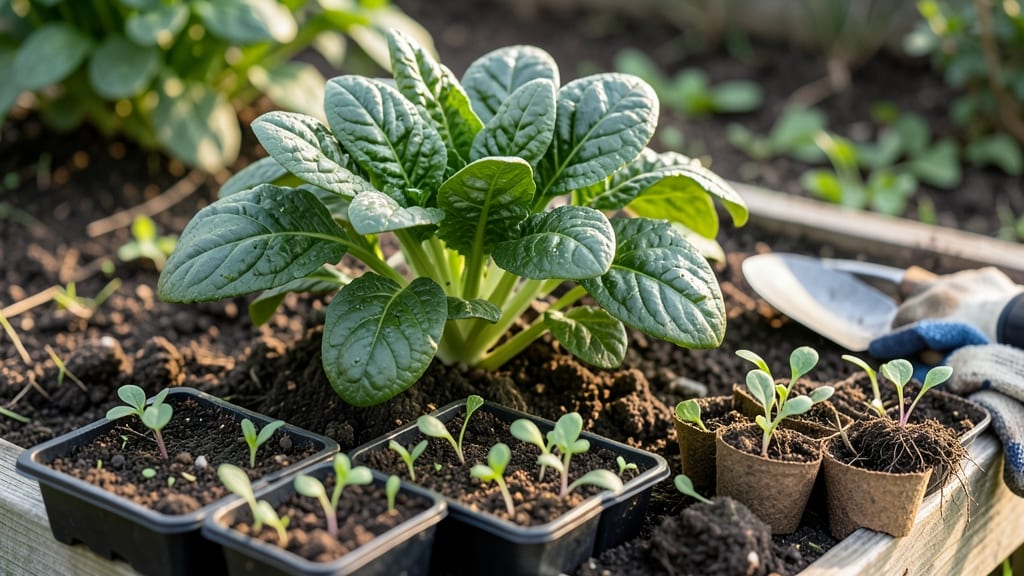
Planting spinach in Indiana at the right time means the difference between a bountiful harvest and bolting before you even taste those first leaves.
Indiana’s unpredictable spring and early fall frosts can turn your spinach dreams into a guessing game—but getting the timing right unlocks tender, pest-resistant greens all season. The key? Two distinct windows: early spring and late summer, each with its own tricks for Hoosier gardeners.
For spring plantings, aim for March to early April, about 4-6 weeks before your last frost date (usually around April 15). This gives your 🥬 spinach enough time to mature before summer’s heat forces it to bolt.
In the fall, late August to early September works best—planting 8-10 weeks before the first frost (mid-October) ensures a second harvest before winter sets in.
Below, I’ll break down the exact dates by Indiana’s microclimates, soil prep secrets, and how to protect your crop from late frosts or early heat. Ready to grow spinach that actually lasts?
Best planting windows for spinach in Indiana’s climate zones
Indiana’s USDA Zone 6a climate creates two prime windows for growing cold-hardy spinach: early spring and late summer. The key is planting when soil temperatures hover between 40°F and 75°F—too hot, and spinach bolts; too cold, and germination stalls.
Northern Indiana’s shorter growing season (like Zone 5b pockets) requires earlier starts, while southern Indiana (closer to Zone 6b) enjoys a longer fall window.
For spring plantings, aim to sow seeds 4-6 weeks before your last frost date—typically mid-March to early April in most of Indiana.
Southern regions (e.g., Evansville) can start as early as late February, while northern areas (e.g., South Bend) should wait until early April to avoid frost damage. Soil temperature must reach at least 40°F for germination, but seeds can be started indoors 6-8 weeks earlier for a head start.
Fall plantings offer a second harvest and are less risky than spring. Seed 8-10 weeks before your first frost (usually late July to early August), ensuring spinach matures before October’s hard frost.
Northern Indiana may need to plant by mid-July, while southern Indiana can extend until early August. Heat tolerance is critical—spinach struggles above 75°F, so use shade cloth if planting in late summer.
Indiana’s microclimates play a huge role. Urban areas like Indianapolis (Zone 6a) enjoy longer frost-free windows (165 days), while rural northern regions (e.g., Gary) may only have 150 days. Use local frost date averages from the Indiana State Climate Office to fine-tune your schedule.
For example, Fort Wayne typically has its last frost on April 20, while Bloomington averages April 10—a 10-day difference that matters for spinach.
For direct sowing, wait until soil warms to 45°F
How to extend your spinach harvest: succession planting & frost-proofing
Indiana’s short growing season means spinach lovers must work smarter, not harder. By using succession planting and frost-proofing techniques, you can enjoy fresh harvests from early spring through late fall. The key is choosing the right cold-hardy varieties and protecting them from temperature swings that trigger bolting or frost damage.
For Indiana gardeners, the secret lies in staggered plantings every 2-3 weeks. This ensures a continuous supply of tender leaves while accounting for unpredictable weather. Pair this with protective row covers and mulching strategies to extend your harvest window by 4-6 weeks on either end of the season.
🌱 5 Pro Tips to Extend Your Spinach Harvest
- 📅 Start early with cold-tolerant varieties like 'Winter Bloomsdale' or 'Tyee' 4-6 weeks before last frost (typically mid-March in Indiana).
- 🌡️ Use row covers to protect from light frosts (down to 20°F) and delay bolting when temperatures rise above 75°F.
- 🌱 Plant in successions every 2-3 weeks from March through August for a continuous harvest.
- 🌿 Mulch heavily with straw or leaves to insulate roots and maintain even soil temperatures.
- ✂️ Harvest outer leaves first to encourage regrowth and prevent premature bolting.
When selecting varieties, prioritize fast-maturing types (30-40 days) like 'Bloomsdale Long Standing' for early harvests, while slow-bolting varieties (50-60 days) such as 'Giant Winter' perform better in Indiana's cooler fall temperatures. The trade-off? Fast growers bolt quicker in heat, while slow varieties may struggle in Indiana's brief summer.
For frost protection, lightweight floating row covers are your best friend. They trap heat during the day and protect against light frosts at night—perfect for Indiana's unpredictable spring and fall.
In late summer, use black plastic mulch to warm soil and extend the growing season by 2-3 weeks before the first frost.
Don't forget to harvest strategically. By picking outer leaves first, you encourage the plant to produce more tender growth. In Indiana's climate, this means you can often get 2-3 harvests from a single planting before bolting sets in.
For fall plantings, aim to harvest before temperatures drop below 30°F consistently.
With these techniques, you'll transform Indiana's short growing season into a spinach lover's paradise, enjoying fresh harvests from April through November. The key is planning ahead—just like the pros! 🥬