
Plants
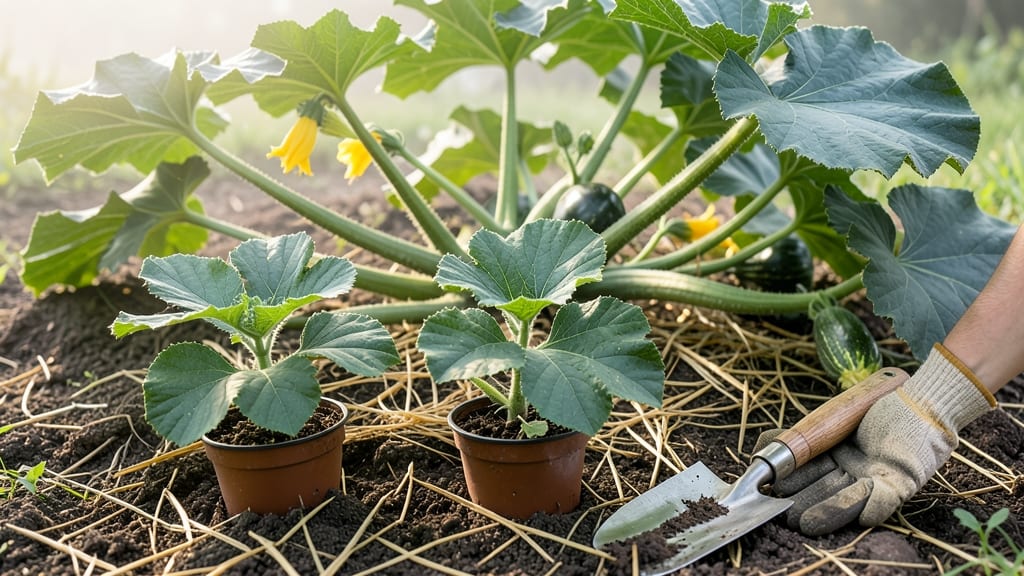
To plant squash in Oregon, aim for after your last frost date—typically mid-April in the Willamette Valley but weeks later in the high desert 🎃—when soil temperatures hit at least 60°F.
Oregon’s diverse microclimates—from coastal fog to high-desert heat—mean squash planting deadlines can vary by weeks, not just days. Get your timing wrong, and you risk stunted vines or frost-killed plants before harvest.
This guide breaks down the optimal windows for each region, including soil prep tips and companion plants to maximize your yield. Whether you're in the damp Willamette Valley or the dry Columbia Gorge, we’ve got the data-backed deadlines you need.
You’ll also discover how to adjust for squash varieties, avoid common mistakes, and extend your harvest season—so you can enjoy fresh zucchini and pumpkins from July through October.
Oregon’s squash planting zones: frost-free dates by region
Oregon’s microclimates create dramatic differences in last-frost dates, which directly impact when you can safely plant squash seeds. The Willamette Valley and Coast Range often see frost until mid-May, while the High Desert and Columbia Gorge warm up weeks earlier.
Using Oregon State University data, here’s your precise planting timeline to avoid frost damage and maximize your harvest.
For warm-season squash like zucchini and butternut, soil temperatures must reach at least 60°F (15°C) before planting. Cold soil slows germination and invites fungal diseases. If your region’s frost dates feel too tight, consider soil-warming strategies like black plastic mulch or row covers to jumpstart your season.
Below is a region-by-region breakdown of frost-free dates, ideal planting windows, and soil-warming tips. Bookmark this—your squash harvest depends on it!
In the Willamette Valley, where cooler temperatures linger, aim to plant zucchini seeds after May 15. The Coast Range often needs an extra week due to marine layer fog, so hold off until early June.
Meanwhile, High Desert gardeners can start as early as mid-April, taking advantage of warmer soil and longer daylight hours.
For transplanting seedlings, wait until nighttime temperatures consistently stay above 50°F (10°C). In Columbia Gorge microclimates, south-facing slopes warm up faster than shaded areas. Use a soil thermometer to confirm readiness—60°F (15°C) is non-negotiable for squash germination.
Pro tip: If your region’s frost dates feel too restrictive, try succession planting. Sow a second batch of seeds 2–3 weeks after your first planting to extend your harvest window.
Just be sure to mark your calendar for first-frost dates, which typically arrive in mid-October across most of Oregon.
Don’t forget to harden off seedlings before transplanting, especially if you’re rushing to beat the frost. Acclimate them to outdoor conditions over 7–10 days by gradually increasing their time outside. This step is crucial for bush squash varieties like ‘Eight Ball’ zucchini, which are less cold-tolerant than vining types.
For high-elevation gardens above 3,000 feet, consider cold-hardy varieties like ‘Black Beauty’ zucchini or ‘Sugar Pie’ pumpkin. These can tolerate slightly cooler soils and still produce well. Pair them with black plastic mulch to accelerate soil warming and give your plants a head start.
Finally, keep an eye on Oregon State University’s frost maps for real-time updates. While averages are helpful, microclimates can shift your planting window by weeks. For example, a urban heat island in Portland might allow you to plant a week earlier than rural areas just 20 miles away.
With these region-specific deadlines and soil-warming tricks, you’ll be well on your way to a bountiful squash harvest—no frost-related surprises included. Happy planting! 🎃
How to adjust planting time for squash varieties in Oregon
Oregon’s short growing season demands precision when planting squash varieties. Whether you’re growing bush zucchini like ‘Black Beauty’ or vining butternuts, timing matters more than most gardeners realize. Cold soil and late frosts can delay germination by weeks, while late plantings risk frost-killed vines before harvest.
The key is matching your variety type to Oregon’s microclimates and adjusting for seed-starting or direct sowing.
For bush varieties like zucchini, you’ll often direct-sow after last frost, while vining types (such as pumpkins or butternuts) benefit from an indoor head start. Even cold-hardy options like ‘Sugar Pie’ pumpkin need soil warmth—waiting for 60°F soil temps is non-negotiable.
Below, I’ll break down the exact windows for Oregon’s four key regions, plus transplanting tips to avoid shock in your short-season garden.
- 1. Start seeds indoors: 4-6 weeks before last frost (early March for Willamette Valley, late April for high desert). Use biodegradable pots to avoid root disturbance.
- 2. Harden off seedlings: 7-10 days before transplanting—place outdoors in morning sun only to prevent shock.
- 3. Direct-sow bush varieties: 2-3 weeks after last frost when soil hits 60°F (use a soil thermometer!).
- 4. Transplant vining types: After soil warms to 65°F—waiting prevents blossom-end rot.
- 5. Succession plant: Sow every 2 weeks until July 15 for staggered harvests in Oregon’s short season.
Cold-hardy ‘Black Beauty’ zucchini can handle light frosts as seedlings but still needs warm soil to thrive. For ‘Sugar Pie’ pumpkins, start seeds indoors in late February if you’re in the Willamette Valley—this gives vines enough time to spread 10+ feet before frost.
In the high desert, delay until mid-May when nights stay above 50°F consistently.
Transplanting is where many Oregon gardeners stumble. Bush squash tolerates moving better than vining types, but all varieties need acclimation. Bury stems halfway up the stem when transplanting—this encourages root growth and compensates for Oregon’s cool, wet springs.
Water deeply the day before transplanting and mulch heavily afterward to retain moisture in our variable climate.
Don’t overlook succession planting—it’s your secret weapon for Oregon’s short harvest window. If you direct-sow ‘Gold Rush’ zucchini every 2 weeks from May through July, you’ll enjoy fresh squash until first frost.
Pair this with shade cloth for late-season plants to extend maturity by 2-3 weeks. For pumpkins, focus on one early planting—they need 90+ days to mature, and Oregon’s October frosts cut that short.
Pro tip: Use black plastic mulch to warm soil 5-10°F faster than bare ground. This is especially critical in coastal Oregon, where fog delays soil warming by weeks.
Combine it with row covers for early plantings to protect from late frosts—just remove covers when flowers appear to prevent overheating.