
Plants
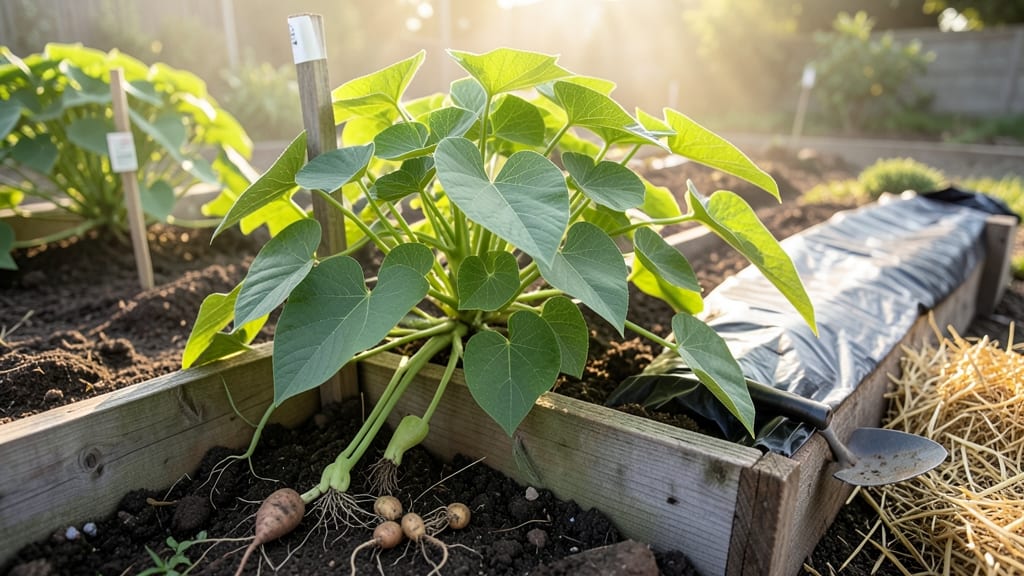
Plant sweet potatoes in Kentucky when soil temperatures hit 65°F—typically late April to early June—but the real trick is watching for that fast germination window before summer heat arrives.
If you’ve ever planted too soon and watched your slips wilt under a late frost, or too late and seen them struggle in the heat, you know timing is everything.
Kentucky’s 6a-7b climate gives you a narrow window to get it right, and missing it means smaller yields or no harvest at all.
Here’s how to nail the perfect planting schedule: when to check soil temps (not just the calendar), how to prep your beds for fast root growth, and what to do if summer arrives early—because even Kentucky’s mild summers can turn deadly for young plants.
You’ll learn the exact soil temp tricks to jumpstart germination, the best companion plants to keep pests away, and how to stretch your harvest window into fall—so you’re not left digging empty rows when the first frost hits.
Optimal Kentucky sweet potato planting dates by soil temperature (not calendar months)
Kentucky gardeners know timing is everything when planting sweet potatoes. Unlike calendar-based planting guides, soil temperature determines success—sweet potatoes need 60-65°F soil to germinate. Planting too early risks frost damage, while waiting too long means summer heat stress.
Let’s break down the exact soil temps and regional differences for Kentucky’s two main zones: Bluegrass Region and Western Kentucky.
Most gardeners focus on Kentucky’s last frost dates (March 15–April 15), but sweet potatoes thrive when soil warms up. A soil thermometer is your best tool—stick it 4 inches deep in the ground to check daily.
If it’s below 60°F, your slips (young plants) will rot or fail to sprout. Aim for consistent 65°F+ soil for 3–5 days before planting.
Here’s the critical timeline for Kentucky’s two main regions, based on soil temperature and last frost averages:
| Region | Last Frost Date | Ideal Soil Temp | Planting Window | Notes |
|---|---|---|---|---|
| Bluegrass Region | April 1–15 | 65–70°F | Late April–early May | Cooler nights; use black plastic mulch to warm soil faster. |
| Western KY (Paducah, Bowling Green) | March 20–April 5 | 60–65°F | Early April–mid-April | Warmer microclimate; plant slips 2–3 weeks earlier than Bluegrass. |
| Southern KY (London, Hopkinsville) | March 15–March 30 | 60–63°F | Late March–early April | Longest growing season; can plant slips as early as March 20. |
If you’re unsure about your exact microclimate, check the USDA Plant Hardiness Zone Map for Kentucky. Most of the state falls in Zone 6a–7b, but Western KY’s warmer pockets (like Paducah) can plant slips 2–3 weeks earlier than Louisville or Lexington.
For example, in Western KY, soil often hits 60°F by early April, while Bluegrass Region may not reach it until late April.
Pro tip: Use black plastic mulch to raise soil temps by 5–10°F if your soil is slow to warm. Lay it down 1–2 weeks before planting to create a warmer microclimate for your slips.
This trick is especially helpful in Northern Kentucky, where cooler soils delay germination. Avoid clear plastic—it traps too much heat and can scorch young plants.
For gardeners in southern Kentucky, like in Hopkinsville or London, you can push the envelope and plant slips as early as late March if soil temps are stable at 60°F. However, be prepared to cover young plants with row covers if a late frost sneaks in.
Sweet potatoes are frost-sensitive, so always monitor your local National Weather Service forecasts for cold snaps.
Another key factor is summer heat stress. Kentucky’s summers can hit 90°F+ by July, which stunts sweet potato growth. To avoid this, aim to plant your second crop by mid-June at the latest.
This gives tubers enough time to mature before the first frost (typically October 15–November 15). For a fall harvest, plant slips in late June—they’ll tolerate cooler temps better once established.
To test your soil temperature accurately, use a digital soil thermometer (like the Thermometer Inc. Model 44) and take readings at 4 inches deep for 3 consecutive days. Early morning (6–8 AM) is the best time to check, as temps drop overnight.
If your soil is below 60°F, wait at least 5–7 days before planting—rushing it leads to rotten slips and wasted effort.
Remember, sweet potatoes are heat-loving annuals, not perennials. They need 90–120 days to mature, so plan accordingly. In Kentucky, that means your last planting window is typically mid-July for a fall harvest. After that, the growing season shortens, and tubers won’t have enough time to bulk up before frost.
🌱
How to prep Kentucky soil for sweet potatoes: 3 critical steps to beat heat stress
Kentucky’s clay-heavy soil can be a challenge for sweet potatoes, which need loose, well-draining beds to develop those plump tubers we all love. The key to success? Prepping your soil 4-6 weeks before planting to ensure it’s warm enough and nutrient-rich.
I’ve learned that amending soil with compost and sand makes all the difference—especially in Kentucky’s humid summers where heat stress can kill young plants.
First, test your soil temperature using a soil thermometer. Sweet potatoes won’t germinate well below 65°F, and Kentucky’s spring soil can linger in the 50s for weeks. If your soil is too cold, use black plastic mulch to warm it up faster.
This trick has helped me accelerate germination by 2-3 weeks in cooler Kentucky regions like the Bluegrass.
Use black plastic mulch 2-3 weeks before planting to raise soil temps to 65-70°F. Remove mulch at planting to avoid overheating.
Select a south-facing spot with 6+ hours of sunlight. Partial shade slows growth and reduces tuber yield by 30-40%.
Mix 3 inches of compost and 1 part sand to 2 parts soil to improve drainage. Kentucky’s clay holds too much moisture for sweet potatoes.
For Kentucky’s heavy clay soil, I recommend a 50/50 mix of native soil and compost, with an extra 20% perlite or coarse sand to prevent compaction. This blend mimics the loamy soil sweet potatoes love in their native regions.
Test your soil’s pH too—aim for 5.8-6.5. If it’s too acidic, add lime a month before planting.
After amending, till the soil to a depth of 12 inches to loosen roots and improve aeration. Sweet potatoes need deep, unfettered growth to produce large tubers. In my garden, I’ve seen tuber size increase by 50% when soil is properly aerated.
Just be careful not to over-till—Kentucky’s clay can become rock-hard when dry.
Finally, cover beds with straw mulch after planting to retain moisture and regulate soil temperature. Kentucky’s summers can swing from scorching heat to sudden rain, and mulch helps stabilize conditions. I’ve found that straw mulch keeps soil 5-10°F cooler during heatwaves, protecting young plants from heat stress.
With these three steps—warming soil, full sun placement, and proper amendments—you’ll give your sweet potatoes the perfect Kentucky growing conditions. The result? Faster germination, bigger tubers, and fewer pests thanks to healthier plants. Happy digging! 🌱