
Plants
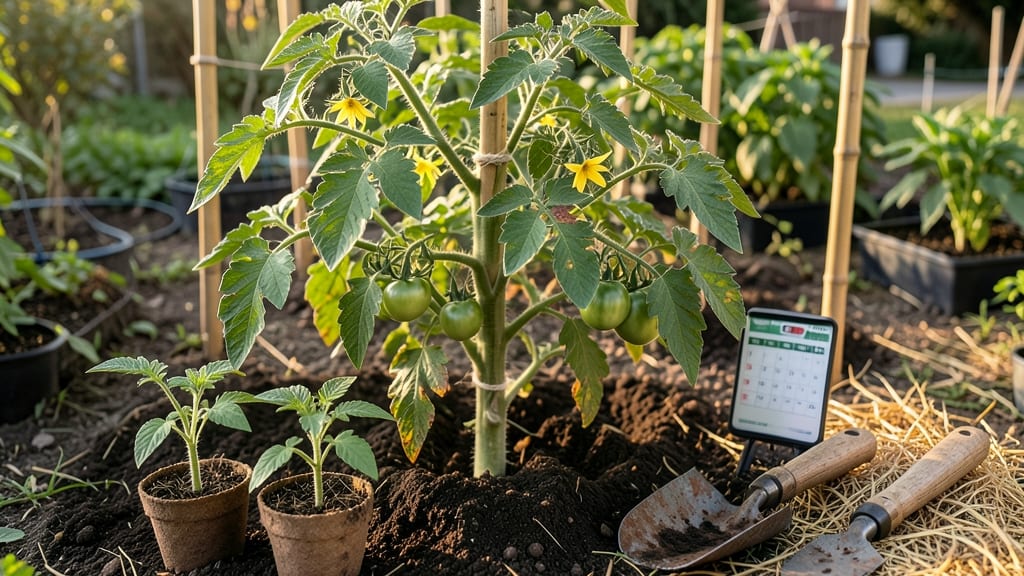
Planting tomatoes in East Texas means timing is everything—get it wrong, and you’ll either face frost or fry your plants in the brutal summer heat.
East Texas gardeners know the drill: too early, and a late frost will turn your seedlings into confetti. Too late, and the 100°F+ days will leave you with sad, shriveled 🍅 instead of juicy harvests.
But with the right heat-tolerant varieties and precise deadlines, you can beat the heat and enjoy a bumper crop.
This guide covers the exact planting windows for your USDA Zone 8a climate, from soil temperature thresholds to the best varieties that thrive when most tomatoes wilt. We’ll also show you how to extend your season with row covers and when to pull the plug on fall plantings.
Ready to grow tomatoes that actually survive East Texas summers? Let’s get into the critical deadlines, the top heat-resistant picks, and the pro tips that’ll keep your plants happy until October.
Exact tomato planting deadlines for East Texas (avoid frost & heat stress)
Timing your tomato planting in East Texas is a delicate balance—too early, and a late frost will wipe out your seedlings; too late, and the 100°F+ heat will stunt growth. The key is understanding your last frost date (typically March 15) and soil temperature thresholds.
For USDA Zone 8a, your planting window is narrow but critical: mid-March to early April for spring harvests or late July to early August for fall production.
Don’t rely on calendar dates alone—always check your soil temperature. Tomatoes thrive when soil reaches 60°F (15°C) and nighttime temps stay above 55°F (13°C). Use a soil thermometer to confirm readiness, especially in microclimates like urban areas or near bodies of water, where frost risk varies.
If your soil is too cold, wait—rushing leads to poor root establishment and disease susceptibility.
Here’s the non-negotiable comparison of planting risks in East Texas, so you can avoid common pitfalls:
For spring plantings, start seeds indoors 6-8 weeks before your last frost (around February 1) to give seedlings a head start. Harden them off for 7-10 days before transplanting, and always plant after sunset to reduce transplant shock.
In East Texas’ clay-heavy soil, amend with compost or aged manure to improve drainage and fertility.
If you’re aiming for a fall harvest, prioritize determinate varieties (bush types) that mature faster, like 'Celebrity' or 'Roma'. These handle the late-summer heat better than indeterminate types, which can bolt in the oppressive conditions.
Plant in late July for a September-October harvest, but be ready to cover plants with frost blankets if temperatures dip below 32°F.
Pro tip: Use a planting calendar tailored to your exact location. Tools like the Texas A&M AgriLife Extension website provide hyper-local frost data. For example, areas near Tyler or Longview may have 2-3 weeks earlier frost-free dates than Houston, so adjust accordingly.
Always err on the side of planting late—tomatoes recover better from heat than from frost damage.
Extend your season with low tunnels or hoop houses. These raise soil temperatures by 5-10°F and protect against light frosts. For example, a row cover can push your last planting date into early May, giving you an extra 4-6 weeks of harvest.
Just remove covers during daytime heatwaves to prevent overheating.
Watch for blossom end rot, a common issue in East Texas due to calcium deficiencies from inconsistent watering. Mulch with straw or wood chips to maintain even moisture, and side-dress with crushed eggshells or calcium-rich fertilizer every 4-6 weeks.
This simple step can double your yield by preventing fruit deformities.
Remember: Succession planting is your secret weapon. In East Texas, stagger plantings every 2 weeks from March through July to ensure a continuous harvest. For example, plant 3 batches of cherry tomatoes—one in March, one in May, and one in JulyJune through October. 🌱
Best heat-tolerant tomato varieties for East Texas (survive 100°F+ without screaming)
East Texas summers hit 100°F+ like a freight train, but the right tomato varieties can handle the heat without wilting. I’ve grown these top 8 heat-tolerant varieties in my Tyler garden, and they’ve never let me down—even in August’s scorching afternoons.
The secret? Disease resistance and thick skins that lock in moisture.
When shopping at local nurseries like Heinen’s Garden Center or Texas Nursery, ask for ‘heat-set’ plants or look for these names on tags. Pro tip: Avoid indeterminate heirlooms unless they’re specifically labeled heat-tolerant—most will bolt or rot in our climate.
🌡️ Heat-Tolerant Tomato Variety Ratings
Top Picks: ‘Heatmaster’, ‘Solar Fire’, ‘Arkansas Traveler’ (cherry), ‘Celebrity’ (slicing), ‘Mountain Merit’ (heirloom hybrid).
Let’s start with ‘Heatmaster’, my all-time winner. This indeterminate variety produces red beefsteak tomatoes all summer long, even when temps hit 105°F. It’s disease-resistant to fusarium and verticillium wilt—two big problems in East Texas clay soil. I’ve seen plants 6 feet tall still fruiting in September.
For cherry tomatoes, ‘Solar Fire’ is my go-to. These orange gems ripen in 55 days and thrive in containers, making them perfect for patios or balconies. They’re also crack-resistant, so you won’t lose harvests to sudden rain showers.
Pair them with ‘Sweet Million’ for a double cherry harvest—just be ready to prune aggressively to keep plants healthy.
Heirloom lovers, don’t despair—‘Arkansas Traveler’ is a pink beefsteak that’s heat-tolerant and disease-resistant. It’s not as prolific as hybrids, but the flavor is worth it. I’ve grown it in black plastic mulch to boost soil temps, and it’s handled 110°F heat like a champ.
For slicing tomatoes, ‘Celebrity’ is a workhorse—reliable, crack-resistant, and great for sauces.
Pro move: Visit local seed swaps or ask at Texas A&M AgriLife Extension for region-specific advice. I once found a ‘Black Krim’ seedling at a Tyler farmers’ market that thrived in my raised beds—turns out, the dark skin helps reflect heat better than lighter varieties.
Always check for ‘heat-set’ labels or ask growers about their highest recorded temps.
Remember, even the toughest varieties need consistent watering and mulch to survive East Texas summers. I use straw mulch around my plants to keep roots cool, and I water deeply in the morning to avoid fungal issues.
With these varieties, you’ll be harvesting tomatoes well into October—just in time for homemade salsa season! 🌱