
Plants
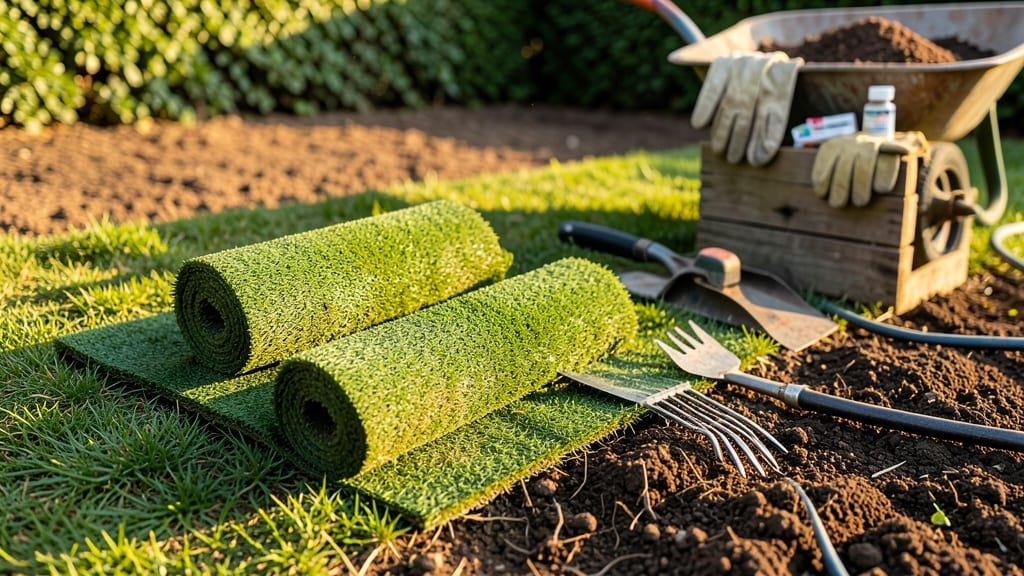
Planting Zoysia sod in Georgia at the right time is the key to a thick, drought-resistant lawn that fills in fast and stays green through summer.
If you’ve ever laid sod only to watch it wilt under Georgia’s late-spring heat or struggle to root before the first frost, you know timing matters more than most gardeners realize.
The difference between success and frustration often comes down to soil temperature, rainfall patterns, and avoiding those brutal July heatwaves.
For Georgia’s 7b-8b zones, the ideal window is late spring to early summer—when soil hits 65°F and stays there. That means April through June in most of the state, but southern Georgia can push it a little later.
Plant too early, and the sod may bake in the sun; too late, and roots won’t establish before dormancy kicks in.
Below, I’ll break down the exact months for your region, how to prep your soil for fast root growth, and the care routine that keeps your Zoysia thriving once it’s down. No more guesswork—just a lawn that looks like it’s been there for years.
Best planting months for Zoysia sod in Georgia’s climate zones
Georgia’s climate—spanning USDA zones 7b-9a—creates unique challenges for establishing Zoysia sod. Unlike northern states, southern Georgia’s longer growing season and intense summer heat demand precise timing. Plant too early, and cool soil slows root growth.
Wait too long, and extreme heat stresses young sod. The key? Soil temperatures of 65°F+ and consistent moisture during establishment.
Most Georgia gardeners succeed by planting late spring to early summer, but northern Georgia’s cooler microclimates (like the Blue Ridge Mountains) may extend the window slightly later.
Southern Georgia’s hotter zones (9a) often shift ideal timing to April-May to avoid July’s scorching temperatures. Let’s break down the best months for each region.
For most of Georgia, May is the goldilocks month—warm enough for root establishment but not yet brutal. In northern Georgia, where last frost dates linger into April, waiting until mid-May ensures soil warmth.
Southern Georgia’s faster-warming soils allow earlier planting, but rushing can lead to heat stress if temperatures exceed 90°F before roots establish.
An often-overlooked option is late summer planting (August-September). While less common, this window works if you use shade cloth during the hottest afternoon hours. The trade-off? Fall planting means sod may not fully establish before winter dormancy. Still, it’s a viable choice for gardeners who miss spring’s ideal window.
Check your local soil temperature before planting. Use a soil thermometer (available at garden centers) to confirm 65°F+ at 4-inch depth. In Georgia’s heat, surface temps can be misleading—deeper soil temps tell the real story. If your thermometer reads below 65°F, wait another week.
Rainfall patterns also shift by region. Northern Georgia’s spring showers often provide enough moisture, while southern areas may need supplemental irrigation during dry spells. Aim for 1-1.5 inches of water weekly during establishment, splitting applications into morning waterings to reduce fungal risks.
Zoysia sod thrives in Georgia’s full sun exposure, but newly planted sod benefits from 50% shade cloth during the first 2-3 weeks if temperatures exceed 95°F.
This temporary protection prevents heat scorch while roots develop. Remove the shade cloth once roots are 1-2 inches deep (test by gently lifting a corner).
Pro tip: Mow high initially (set your mower to 2 inches) to encourage root growth. Zoysia’s deep root system makes it drought-tolerant once established, but young sod needs consistent moisture. In Georgia’s humid summers, morning watering prevents fungal diseases like brown patch, which thrives in damp, hot conditions.
Remember, timing isn’t everything—soil prep matters just as much. Test your soil’s pH (6.0-7.0 ideal) and amend with compost or peat moss if needed. A well-prepared bed with good drainage sets the stage for successful establishment, regardless of when you plant.
Key factors that determine Zoysia sod root establishment success
Once you’ve picked the right planting window, the real magic happens in the soil and growing conditions you provide. Zoysia sod thrives when these factors align perfectly—especially in Georgia’s humid subtropical climate. The difference between rapid root growth and struggling sod often comes down to these critical elements.
First, soil temperature is non-negotiable. Zoysia roots only establish well when soil stays consistently above 65°F. In Georgia, this typically means waiting until late spring or early summer. A soil thermometer is your best friend here—planting too early when soils are still cool will stall growth and invite disease.
Next, moisture management makes or breaks success. New sod needs 1-1.5 inches of water weekly during establishment, but overwatering smothers roots. The key is deep, infrequent watering—think soaking the soil 4-6 inches deep, then letting it dry slightly between sessions.
Shallow puddles create perfect conditions for fungal issues like brown patch.
| Factor | Georgia-Specific Requirement | Why It Matters |
|---|---|---|
| Soil Temperature | 65°F+ (April-May in GA) | Cooler soils slow root growth by 50% |
| Watering Schedule | 1-1.5" weekly (deep soak) | Prevents drought stress and fungal growth |
| Sunlight Exposure | 6+ hours full sun daily | Shade reduces growth by 30-40% |
| Soil pH | 6.0-7.0 (test before planting) | Optimal nutrient uptake for roots |
Don’t overlook sunlight exposure—Zoysia is a sun-loving grass that needs 6+ hours of direct sunlight daily. In Georgia’s dense shade areas, growth slows dramatically, and the lawn may develop a thin, weak appearance.
If your yard has partial shade, choose a shade-tolerant Zoysia variety like 'Meyer' or 'Zenith' for better results.
Before laying sod, prep your soil properly. Remove existing vegetation, till the top 4-6 inches, and mix in 2-3 inches of compost to improve drainage. Georgia’s clay-heavy soils often compact easily, so adding organic matter helps roots penetrate deeper.
A final step of leveling the ground ensures even water distribution—critical for uniform growth.
Finally, avoid heavy foot traffic for at least 4-6 weeks after planting. New roots are fragile and need time to establish a strong network. If pets or kids will be using the area, consider installing temporary barriers or pathways to protect the delicate sod during its critical first weeks.