
Plants
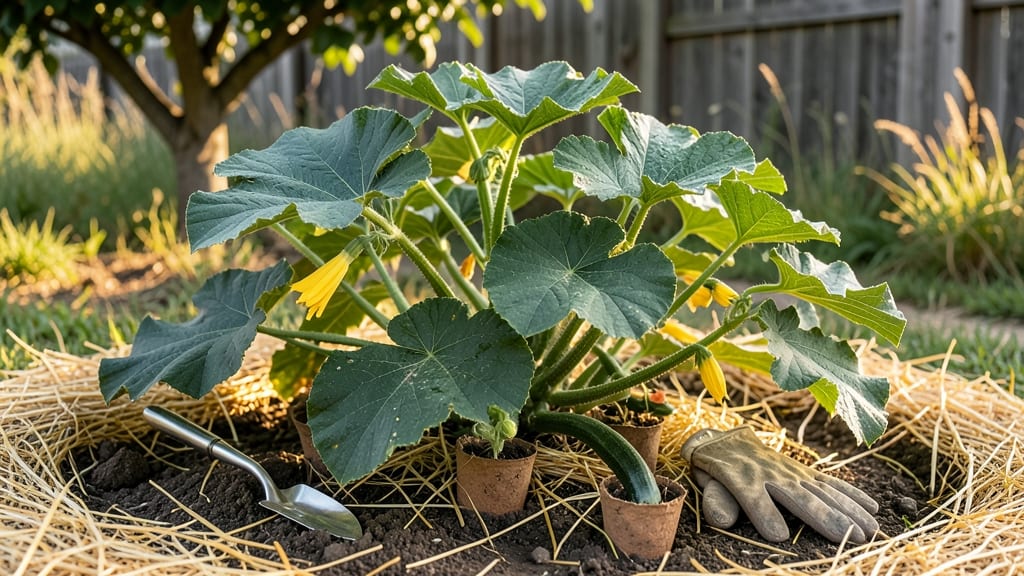
Planting zucchini in Louisiana means timing it right to beat the heat and humidity—soil must hit 60°F+ and all frost risk must vanish before seeds go in.
Louisiana’s long, hot summers and humid climate create the perfect conditions for zucchini—but timing is everything to avoid bolting or poor yields. Plant too early, and frost stalls growth; too late, and you’ll miss the sweet spot for prolific harvests.
Most gardeners in USDA zones 8a-9b aim for February–April for spring plantings, but southern Louisiana’s warmer microclimates can start as early as January. The key is waiting for those last frost dates (usually mid-February) and ensuring soil stays warm enough to prevent slow, leggy seedlings.
Below, I’ll break down the exact windows for North, Central, and South Louisiana, plus pro tips for transplanting vs. direct sowing, and how to stretch your harvest through the summer heat.
Louisiana zucchini planting calendar: exact dates by region and microclimate
Timing your zucchini planting in Louisiana depends on your region-specific climate. North Louisiana’s cooler winters mean earlier starts, while South Louisiana’s tropical heat allows later fall plantings. The key is waiting for soil temperatures to hit 70°F+ and avoiding late frost risks (typically after February 15).
For spring plantings, most Louisiana gardeners sow seeds or transplant starts between mid-March and early April. In fall, the window narrows to August through early September—any later, and summer’s relentless heat stresses young plants.
Microclimates matter too: urban areas may warm faster than rural zones, while shaded spots stay cooler.
| Region | Spring Planting Window | Fall Planting Window | Soil Temp Threshold | Last Frost Date |
|---|---|---|---|---|
| North Louisiana (Shreveport, Monroe) | March 15–April 5 | August 15–September 5 | 70°F+ (daytime) | March 1–March 15 |
| Central Louisiana (Alexandria, Lafayette) | March 1–April 10 | August 1–September 10 | 70°F+ (daytime) | February 28–March 10 |
| South Louisiana (Baton Rouge, New Orleans) | March 15–April 15 | August 10–September 15 | 72°F+ (humidity-adapted) | February 15–March 5 |
*Adjust dates 1–2 weeks earlier for urban microclimates with faster warming soils.
Use a soil thermometer to verify readiness—zucchini roots thrive in 70°F+ soil. In North Louisiana, wait until April 1 for safety, while South Louisiana gardeners can start as early as March 15 in protected beds. For transplants, harden off seedlings for 7–10 days before setting them out.
Pro tip: Direct sowing in Louisiana often outperforms transplants because zucchini dislike root disturbance. Drop seeds 1 inch deep, 2–3 feet apart, in hills of 3–4 seeds.
Thin to the strongest plant per hill once seedlings have 2 true leaves. This method also reduces transplant shock in humidity.
For fall harvests, prioritize heat-tolerant varieties like ‘Eight Ball’ or ‘Defender’—they handle Louisiana’s 90°F+ August better than standard types. Plant seeds 4–6 weeks before your first frost (typically September 1–15 for most regions) to ensure mature plants before cold sets in.
Watch for microclimate variations: Low-lying areas stay cooler longer, while south-facing beds warm faster. If your yard has partial shade, choose bush varieties like ‘Patio Star’ for smaller spaces. Always mulch with straw or pine needles to retain moisture and regulate soil temps.
Remember: Zucchini grows fastest when daytime temps are 75–85°F. If summer heat exceeds 95°F, provide 30% shade cloth to prevent bolting. In North Louisiana, a row cover can extend fall harvests by 2–3 weeks before hard frosts arrive.
Start seeds indoors 3–4 weeks before your region’s last frost date if using transplants. Use biodegradable pots to avoid root circling. Harden off seedlings gradually by moving them outdoors for 2–3 hours daily before full transplanting.
For container gardening, choose 5-gallon pots with drainage holes. Plant one zucchini per container and use lightweight potting mix. Containers warm faster than ground soil, so adjust planting dates 1–2 weeks earlier than ground plantings.
How to extend zucchini season in Louisiana’s heat: succession planting and shade strategies
Louisiana’s sweltering summers (think 90°F+) can turn zucchini plants into wilting shadows of their productive selves. But with the right strategies—succession planting and smart shade solutions—you can stretch your harvest from spring to fall.
The key? Beat the heat by spreading out plantings and giving your zucchini a midday break from the sun.
I’ve learned the hard way that one planting in March won’t cut it. By July’s heatwave, those early plants are struggling, while August plantings bolt before producing. The solution? Plant every 2–3 weeks from March through June, then repeat in late summer for a fall harvest.
Pair this with shade cloth during peak heat (11 AM–3 PM) to keep plants thriving.
Don’t underestimate the power of companion planting to regulate soil moisture and temperature.
I pair zucchini with basil (repels pests) and beans (fixes nitrogen) to keep the soil cool and moist. Mulch heavily with straw or grass clippings to retain 1–2 inches of water per week—critical in Louisiana’s evaporative climate.
For peak summer shade, use 40–50% shade cloth draped over a hoop system or trellis. This blocks 30–40% of sunlight while allowing airflow. I’ve seen zucchini plants under shade cloth produce 20% more fruit than unshaded ones during July–August.
Just remember to remove cloth by late afternoon to ensure enough light for photosynthesis.
Harvesting is where the magic happens. Pick zucchini every 2–3 days when they’re 6–8 inches long to encourage more production. Overgrown zucchini (think foot-long monsters) signal the plant to stop flowering. In Louisiana’s heat, this means fewer harvests and bolting—so stay on top of it!
With these strategies, I’ve extended my zucchini season from 6 weeks to 12+ weeks. The secret? Work with the heat instead of fighting it. Succession planting keeps plants young and productive, while shade and companionship give them the breathing room they need to thrive in Louisiana’s furnace-like summers. 🌱