
Plants
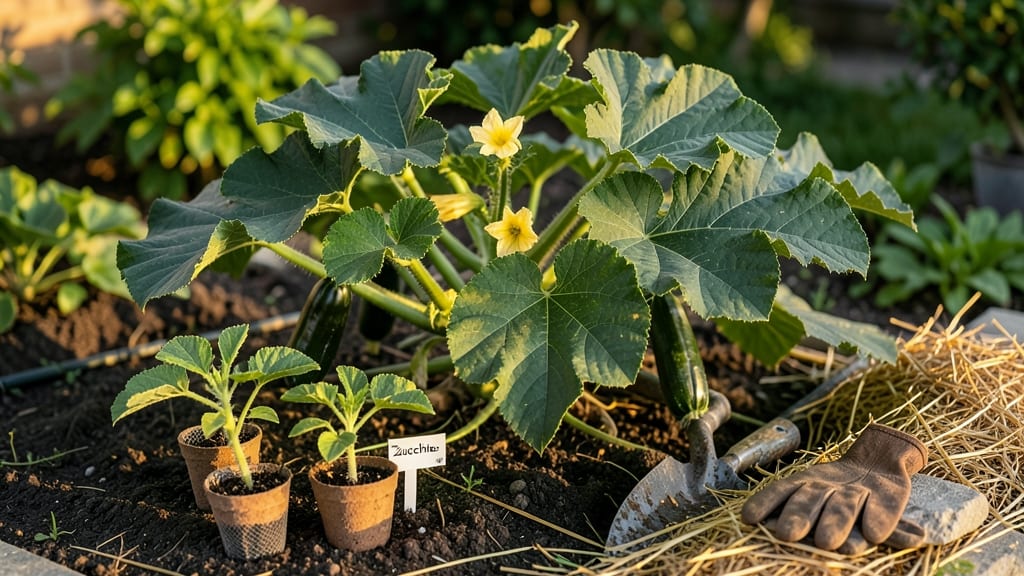
Plant zucchini in Massachusetts after the last frost date, when soil temperatures hit 60°F—typically mid-to-late May for most of the state.
Massachusetts gardeners know timing is everything—plant zucchini too early, and frost will kill your seedlings; too late, and you’ll miss the sweet, prolific harvest. Get it right, and you’ll enjoy homegrown 🎃 straight from your garden all summer long.
In USDA Zone 6a, where most of Massachusetts falls, the average last frost date is around April 15, but soil warmth is the real key. Rushing the process can leave your plants vulnerable, while waiting too long risks a shorter harvest window.
Below, I’ll break down the exact planting schedule by region, soil prep tips to jumpstart growth, and how to stretch your season for continuous zucchini production—so you’re harvesting from July through September.
Massachusetts zucchini planting dates by USDA Zone 5-6: exact frost-free timelines
Timing your zucchini planting in Massachusetts is all about beating the last frost while giving your plants enough warm soil to thrive. In USDA Zones 5-6, zucchini seedlings need soil temperatures of at least 60°F (15°C) to germinate properly.
Waiting too long means missing the summer harvest window—but planting too early risks frost damage. Let’s break down the exact dates and methods for success.
Most of Massachusetts falls under USDA Zone 5b (western and central regions) and Zone 6a (southeastern coastal areas). The average last frost date ranges from mid-April in Zone 6a to early May in Zone 5b.
However, microclimates—like urban heat islands or sheltered valleys—can shift these dates by 1-2 weeks. Always check local records or use a frost-free date calculator for your specific town.
For direct sowing (planting seeds directly into the garden), aim for 2-3 weeks after your last frost date. This gives the soil time to warm up and reduces the risk of seed rot in cold conditions.
In Zone 6a, this typically means late April to early May, while Zone 5b gardeners should wait until mid-to-late May. If you’re transplanting seedlings, you can start 1 week earlier since they’re more resilient.
Here’s a quick reference for your planting timeline, tailored to Massachusetts’ climate zones:
| Zone & Location | Last Frost Date | Direct Sowing Window | Transplanting Window | Soil Temp Requirement |
|---|---|---|---|---|
| Zone 6a (Southeast MA: Boston, Cape Cod) | April 15–May 1 | April 25–May 10 | April 15–May 1 | ≥60°F (15°C) |
| Zone 5b (Central MA: Worcester, Springfield) | May 1–May 15 | May 10–May 25 | May 1–May 15 | ≥60°F (15°C) |
| Zone 5b (Western MA: Pittsfield, North Adams) | May 10–May 20 | May 20–June 1 | May 10–May 20 | ≥60°F (15°C) |
*Adjust dates 1 week earlier for microclimates with earlier warming (e.g., south-facing slopes) or 1 week later for colder pockets.
To calculate your exact planting deadline, use the National Weather Service’s frost data or local Cooperative Extension Service records. For example, if your town’s last frost date is May 5, add 2 weeks for direct sowing (May 19) or 1 week for transplanting (May 12).
Pro tip: Use a soil thermometer to confirm soil temps—zucchini seeds won’t germinate below 60°F, even if air temps are warmer.
If you’re transplanting seedlings, start them indoors 3-4 weeks before your last frost date. Use biodegradable pots to avoid disturbing roots when moving them outdoors. Harden off seedlings by placing them outside for 2-3 hours daily during the week leading up to transplanting.
This helps them adjust to Massachusetts’ variable spring weather, including late cold snaps or windy conditions.
For direct sowing, prepare your garden bed by mixing in 2-3 inches of compost and a balanced fertilizer (10-10-10). Zucchini thrives in well-draining soil with a pH of 6.0–7.0. Plant seeds 1 inch deep and 2–3 feet apart (or 4–6 feet apart for bush varieties).
Thin seedlings to 12–24 inches apart once they’re 2–3 inches tall to give plants room to sprawl.
One common mistake in Massachusetts is planting too early and relying on row covers. While floating row covers can protect seedlings from light frosts (28–32°F), they won’t save plants in a hard freeze (<25°F).
Instead, use covers to extend the season in fall or for early spring planting in Zone 6a. Always remove covers during the day to allow pollination—zucchini flowers need bees!
Remember, zucchini grows fast—from seed to harvest in just 40–60 days. Planting too late means your harvest will peak in early fall, when squash bugs and powdery mildew become more aggressive. By following these frost-free timelines, you’ll enjoy summer-long zucchini with minimal pests and maximum yield.
How to extend your zucchini season in Massachusetts: starter plants, succession planting, and cold protection
Massachusetts’ short growing season can feel like a race against time for zucchini lovers. But with the right strategies, you can enjoy fresh, homegrown zucchini from early summer all the way through fall.
The key lies in starter plants, succession planting, and cold protection—three techniques that work together to give your garden a serious harvest boost. I’ve used these methods for years in my own garden, and they’ve turned my zucchini patch from a one-time harvest to a continuous bounty.
Zucchini thrives in warm weather, but Massachusetts’ unpredictable spring frosts can derail even the most eager gardener. By starting seeds indoors 4-6 weeks before your last frost date (typically mid-April), you’ll have sturdy seedlings ready to transplant as soon as the soil warms to 60°F (15°C).
This head start gives your plants a competitive edge, especially in cooler years. Pair this with row covers for early planting, and you’ll be harvesting weeks earlier than your neighbors.
- 1 Start seeds indoors 4-6 weeks before last frost (mid-April) for a head start. Use biodegradable pots to avoid transplant shock.
- 2 Use row covers to plant 2-3 weeks earlier than recommended. Remove covers when flowers appear to allow pollination.
- 3 Succession plant every 2 weeks from late May through early July. This ensures a continuous harvest until fall frost.
- 4 Extend season with cold frames in late summer. Protect plants until mid-October for late harvests of smaller, sweeter zucchini.
- 5 Choose fast-maturing varieties like 'Eight Ball' (45 days) or 'Black Beauty' (48 days) to maximize your growing window.
Succession planting is where the magic happens for a longer harvest. Since zucchini grows quickly—45-55 days to maturity—you can plant new seeds every 2 weeks from late May through early July.
This staggered approach ensures that as your first plants finish producing, the next batch is just starting to flower. I’ve had zucchini growing in my garden from early July until the first frost in October, thanks to this simple trick.
Don’t overlook cold protection as the seasons change. When temperatures dip below 50°F (10°C) in late summer, use row covers, cold frames, or even black plastic mulch to insulate the soil and roots. These methods can push your harvest 2-3 weeks later than you’d expect.
Last year, I used a low tunnel over my zucchini plants in September and still harvested 6-inch zucchini in early October—just in time for my favorite zucchini bread recipe (well, I mean, garden-fresh eating!).
Finally, soil health plays a huge role in extending your season. Zucchini is a heavy feeder, so amend your soil with compost before planting and side-dress with fertilizer every 4-6 weeks during the growing season.
I swear by a balanced 10-10-10 fertilizer applied in the evening to avoid burning the plants. Well-fed zucchini plants produce more flowers, which means more fruit—and a longer harvest window.
With these strategies, you’ll turn your Massachusetts garden into a zucchini powerhouse. The secret isn’t just about planting early—it’s about planting smart, protecting wisely, and keeping the cycle going until the first frost. Your future self (and your dinner table) will thank you! 🌱🎃