
Size
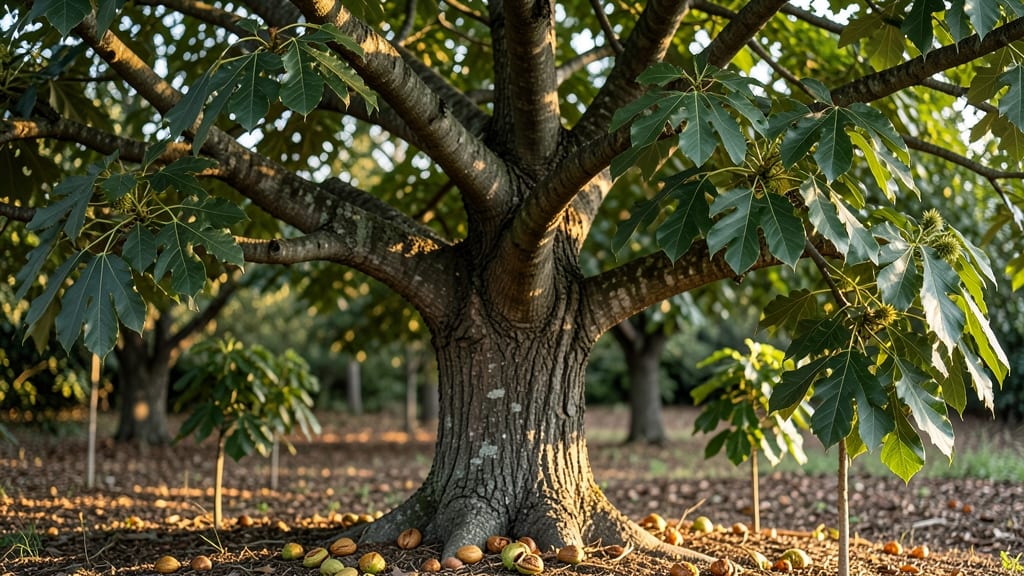
How tall do black walnut trees grow? They reach heights between 40 and 100 feet, turning your yard into a towering, shade-providing centerpiece 🌳 — but their final size depends on where you live and how you care for them.
If you're considering planting a black walnut tree, knowing its mature height isn't just about aesthetics—it determines spacing, sunlight needs, and even property line considerations. These majestic trees can become giants in your landscape, but their growth varies dramatically by region.
In the Southern U.S., where winters are mild, black walnut trees often max out around 70 feet, while in colder Northeastern states, they may stretch toward 100 feet with slower but steady growth.
Soil quality, water access, and pruning habits can also shave off or add 20-30 feet to that range.
Below, I’ll break down how to plan for their height—whether you’re working with a sprawling backyard or need to keep them in check for a smaller property.


Black walnut tree height by region: average mature sizes
Black walnut trees (Juglans nigra) are legendary for their towering stature, but their mature height depends heavily on your USDA hardiness zone and local climate conditions.
In the Southern U.S., these trees often reach 70-100 feet thanks to longer growing seasons, while Northern climates typically see heights between 40-70 feet due to shorter frost-free periods. Understanding these regional differences helps you plan proper spacing and long-term care for your landscape.
Latitude plays a critical role in growth potential. Trees in warmer southern regions (Zones 7-9) grow faster and taller because they experience fewer frost cycles and more consistent warmth. Meanwhile, Northern trees (Zones 4-6) may struggle to reach their full potential due to winter dormancy and slower spring growth.
Even within the same zone, microclimates—like urban heat islands or river valleys—can add 10-20 feet to a tree's height.
🌳 Here’s how black walnut trees compare across key U.S. regions:
| Region | USDA Zones | Average Mature Height | Growth Rate (Annual) | Key Influencing Factors |
|---|---|---|---|---|
| Southern U.S. | 7-9 | 70-100 ft | 1.5-2.5 ft/year (young) | Longer growing season, minimal frost |
| Midwestern U.S. | 5-6 | 50-75 ft | 1-1.5 ft/year (young) | Moderate frost, variable soil quality |
| Northeastern U.S. | 4-6 | 40-60 ft | 0.8-1.2 ft/year (young) | Short growing season, frequent frost |
| Pacific Northwest | 6-8 | 60-80 ft | 1.2-2 ft/year (young) | Mild winters, high humidity |
In the Southern U.S., black walnut trees often surpass 90 feet in ideal conditions, with some specimens reaching 120 feet in deep, nutrient-rich soils. The extended growing season allows for continuous vertical growth with minimal winter setbacks.
For example, a tree in Georgia or Alabama might grow 2 feet per year in its first decade, while one in Texas could add 2.5 feet annually if given optimal care.
Midwestern states like Ohio, Indiana, and Missouri see more moderate heights, typically 50-75 feet, due to shorter frost-free periods and occasional late-spring frosts that stunt early growth. However, trees in well-drained, fertile soils can still reach 80 feet with proper care.
The Mississippi River Valley often produces some of the tallest Midwestern specimens because of its rich alluvial soils and milder winters.
Northern regions, including New York, Pennsylvania, and Michigan, rarely see black walnuts exceed 60 feet unless planted in microclimates with extended warmth. The Great Lakes region offers a unique advantage: lake-effect snow can create warmer microclimates near shorelines, allowing trees to grow 10-15 feet taller than inland counterparts.
However, severe winters and compacted soils often limit their potential.
If you're planting a black walnut in a smaller property, consider its canopy spread, which can reach 50-75 feet wide. In tight spaces, opt for younger trees (under 5 feet) and plan for regular pruning to manage height.
Even with pruning, these trees will still dominate your landscape—just at a more manageable scale. Always check local property line laws before planting, as some municipalities regulate tree height near boundaries.
Soil quality also impacts height. Trees in sandy or rocky soils may only reach 40-50 feet, while those in loamy, well-drained soils can tower over 80 feet. Conduct a soil test before planting to ensure your black walnut has the nutrients it needs to reach its full potential.
Amending poor soil with compost or organic matter can add 10-20 feet to its mature height over time.
For gardeners in cooler climates, consider planting near heat-retaining structures like brick walls or south-facing fences. These microclimates can extend the growing season by 2-4 weeks, helping your tree grow taller faster. Just avoid planting near large evergreens, which can create competitive shade and stunt growth.
🌿 Whether you're in the deep South or the frosty Northeast, black walnut trees will reward you with stunning height and shade—if you give them the right conditions. With proper spacing and care, these giants can become the centerpiece of your landscape for decades to come.
Factors that influence black walnut tree growth height
Understanding what makes a black walnut tree reach its full potential height—or stay shorter—is key for gardeners planning their landscape. These trees can grow from 40 feet to over 100 feet, but their ultimate height depends on several critical factors.
The right conditions can push a tree toward its maximum height, while poor conditions may limit it to half that size.
Black walnut trees thrive in ideal conditions, but even small changes in their environment can dramatically alter their growth trajectory. For example, a tree in nutrient-rich soil with full sunlight might reach 90 feet, while one in poor soil with partial shade could max out at 50 feet.
Let’s break down the key factors that influence their growth height.
Another critical factor is climate and region. Trees in warmer climates like the Southeast often grow taller due to longer growing seasons, while those in colder Northern states may mature shorter due to shorter frost-free periods.
For example, a black walnut in Georgia might reach 100 feet, while one in Minnesota could max out at 60 feet.
If you're planting near property lines or power lines, consider these factors carefully. A black walnut tree’s height is not fixed—it’s a dynamic result of its environment.
By optimizing soil, sunlight, and water, you can encourage healthier, taller growth, but always be prepared for natural variations based on your local climate.
For gardeners with limited space, strategic pruning and root restriction can help manage height while still enjoying the tree’s benefits. Just remember: patience is key—black walnuts grow slowly, and their height is a long-term investment in your landscape.