
Plants
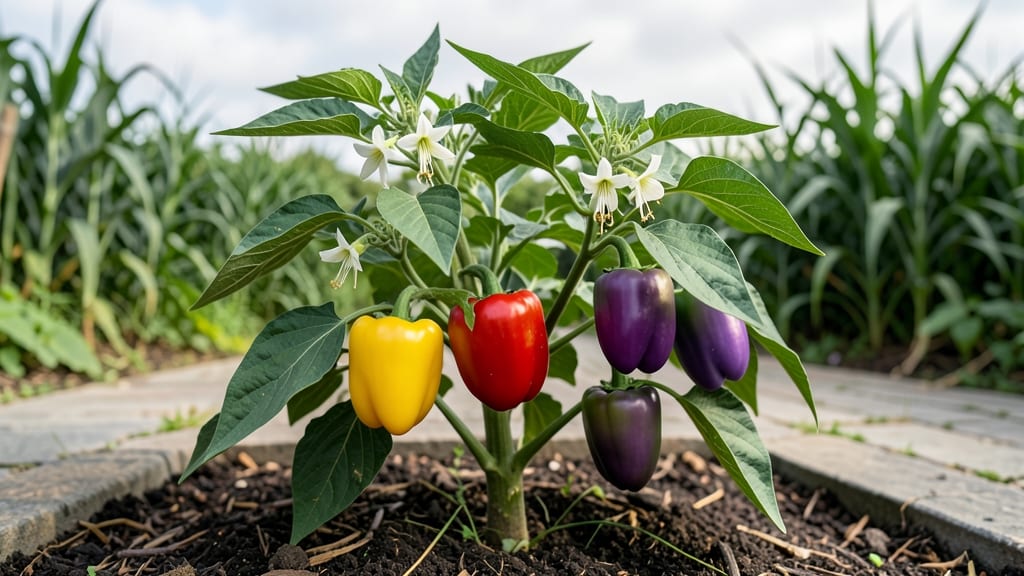
Green pepper plants grow between 1 and 4 feet tall, depending on the variety you choose — a range that can make or break your harvest if you don’t plan your garden layout right.
That compact 1-foot dwarf might seem like a no-brainer for small spaces, but a 4-foot vining type like a banana pepper will sprawl if you don’t give it room — or worse, collapse under its own weight.
I’ve seen both scenarios play out in my own garden, and the difference comes down to spacing, support, and knowing your plant’s growth habits.
Below, I break down the height ranges for common varieties, when to add stakes or cages, and how to avoid the 5 biggest mistakes that stunt growth. Whether you’re working with a 6-inch pot or a raised bed, these insights will help you maximize your harvest without sacrificing space.
Ready to set up your peppers for success? Let’s start with the height ranges by variety — and why some need more support than others.


Green pepper plant height ranges by variety: compact vs. vining types
When planning your garden, knowing how tall green pepper plants grow is crucial for spacing and support. Some varieties stay compact, while others reach towering heights—up to 4 feet or more.
The difference often comes down to their growth habits: bush types stay low and sturdy, while vining types need vertical support. Let's break down the key categories so you can choose the perfect fit for your space.
For gardeners with limited space, dwarf green pepper varieties are ideal. These plants typically reach 1-2 feet tall and spread 1-2 feet wide, making them perfect for containers or small gardens.
Varieties like 'Thai Hot' or 'Shishito' thrive in tight quarters without needing extra support. Their compact size also reduces the risk of disease, as airflow remains excellent even in crowded beds.
The most common category is bush-type green peppers, which grow 2-3 feet tall and 1.5-2 feet wide. These are the workhorses of home gardens, offering a balance between space efficiency and productivity.
Popular choices like 'Bell Boy' or 'California Wonder' produce abundant peppers with minimal fuss. Their moderate height makes them easy to manage, even for beginners.
Now, if you're dreaming of a bountiful harvest with minimal ground space, consider vining green pepper varieties. These can grow 3-4 feet tall or taller, often requiring trellises or cages to support their weight.
Varieties like 'Banana Pepper' or 'Jalapeño' produce long, cascading stems that need vertical support to prevent breakage. While they demand more space, their prolific yields often justify the effort.
Here’s a quick reference to help you visualize the differences:
Choosing the right variety isn’t just about height—it’s also about harvest timing and pepper size. For example, 'Shishito' peppers mature quickly and stay compact, ideal for early-season harvests. In contrast, 'Banana Peppers' take longer to mature but produce long, slender peppers that benefit from vertical growth.
If you’re short on space, opt for dwarf or bush types and plant them 18-24 inches apart.
For taller varieties, spacing becomes critical. Vining peppers need 2-3 feet of space between plants to prevent overcrowding and disease. If you’re growing them vertically, consider using tomato cages or sturdy trellises to support their weight.
This not only saves space but also improves airflow, reducing the risk of fungal issues like powdery mildew.
Another factor to consider is pruning habits. Bush types require minimal pruning, while vining varieties may need occasional trimming to encourage upward growth and prevent sprawling. Pinch off the tips of young vines to promote bushier growth, and remove any suckers that form in the leaf axils.
This simple technique can help control height and redirect energy toward fruit production.
If you’re growing peppers in containers, stick to dwarf or bush varieties to avoid root-bound issues. A 5-gallon pot is ideal for compact types, while larger containers (10+ gallons) can accommodate bush varieties.
Always ensure your container has drainage holes to prevent waterlogging, which can stunt growth or cause root rot.
Pro tip: Monitor your plants’ growth habits early in the season. If a bush type starts to outgrow its space or a vining type isn’t getting enough support, adjust your care plan immediately.
For example, if your 'Jalapeño' plants are reaching 4 feet tall without support, install stakes or a trellis before the vines become too heavy to handle.
🌱
When and how to provide support for tall green pepper plants
Tall green pepper varieties like Banana Peppers or Jalapeños can easily exceed 3 feet without proper support, leading to broken stems or reduced yields. When plants reach 24 inches, it's time to assess their structural needs—before they become top-heavy with fruit.
Support isn't just about preventing falls; it also improves air circulation and increases sunlight exposure to lower disease risk. Without it, vines sprawl, peppers ripen unevenly, and your harvest suffers. Let's explore the best methods to keep your towering peppers thriving.
Vining types like Banana Peppers need 4-5 feet of vertical space, while bush types (Bell Peppers) may only need 2-3 feet of support. Check seed packets or plant tags for height estimates.
- 🪴 Cages (5-6 ft): Best for bushy varieties like Bell Peppers—install at planting.
- 🌿 Trellises (6-8 ft): Ideal for vining types—use flexible ties to train stems.
- ✂️ Stakes (3-4 ft): Simple for single-stemmed plants—tie with soft cloth to avoid damage.
Place supports within 2 weeks of transplanting to avoid disturbing roots later. For cages, press 1/3 into soil for stability.
Remove suctioners (side shoots) to direct energy upward. Leave 3-4 main stems for Banana Peppers and 1-2 for bush types to prevent overcrowding.
Once your peppers are supported, focus on gentle training. Guide vines upward with soft ties (avoid wire or plastic that can cut stems) and prune yellowing leaves to reduce weight. This keeps the plant's energy focused on producing fruit rather than repairing damage.
For container growers, use tomato cages or freestanding trellises—just ensure the pot is at least 12 inches deep to support roots. Mulch around the base to retain moisture and reduce stress on the plant's structure.
With the right support, your tall green peppers will thrive, producing heavier yields and healthier fruit all season long. Start early, and your plants will thank you with a bounty of peppers! 🌱