
Trees
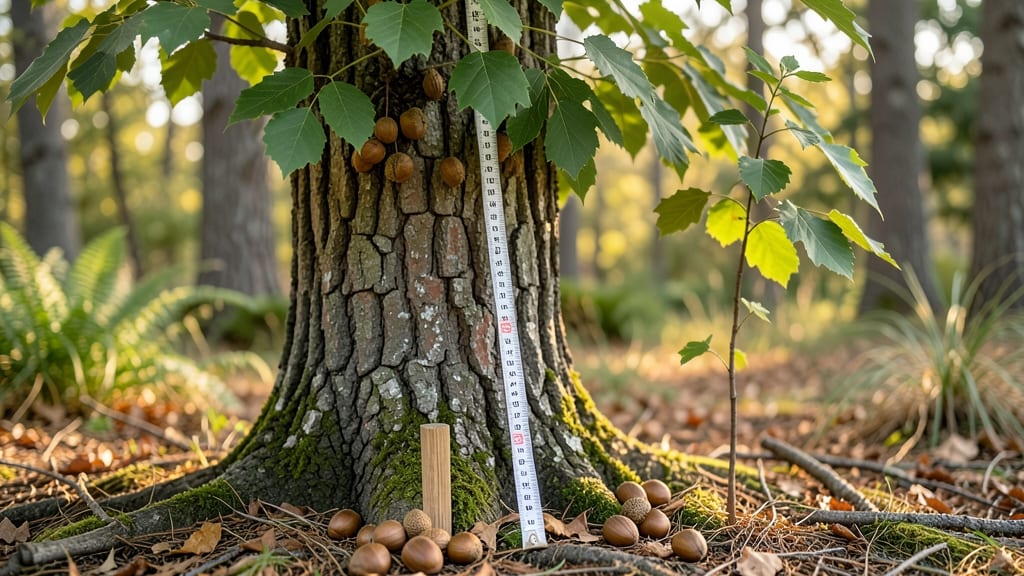
How tall do hickory trees grow? They typically reach heights between 40 and 100 feet at maturity, depending on the variety and growing conditions 🌳 — but not all species reach those towering heights.
If you're considering planting a hickory tree in your yard, understanding its mature height is crucial—some varieties tower over 100 feet while others stay manageable for small spaces. But how tall will your hickory grow? The answer depends on the species, soil conditions, and sunlight exposure.
For example, shagbark hickory can stretch to 75 feet, while pignut hickory typically maxes out around 30 feet. These differences mean your choice of variety could change your landscape forever.
In this guide, I’ll break down height ranges by species, share what influences growth, and give you tips to help your hickory reach its full potential—or keep it in check if space is limited.


Hickory tree height by species: from dwarf varieties to towering giants
Choosing a hickory tree means deciding between a stately 100-foot giant or a more manageable compact variety. Most hickories grow tall, but their mature heights vary dramatically by species.
Understanding these differences helps you pick the right tree for your yard, whether you need shade for a large property or a smaller statement piece. Let’s explore the height ranges of the most common hickory species and what to expect from each.
Hickory trees are divided into two main groups: true hickories (like shagbark and pecan) and pecan hickories. True hickories tend to grow taller, while pecan varieties often mature slightly smaller. However, all hickories share one trait—they grow slowly in early years but accelerate rapidly once established.
This means a 20-year-old tree might still be smaller than you’d expect, while a 50-year-old specimen could dominate your landscape.
| Species | Mature Height | Growth Rate (First 10 Years) | Ideal Planting Space |
|---|---|---|---|
| Shagbark Hickory | 70–100 ft | 1–2 ft/year | Large yards, parks |
| Pignut Hickory | 30–50 ft | 0.5–1 ft/year | Medium-sized properties |
| Mockernut Hickory | 60–80 ft | 1–1.5 ft/year | Spacious backyards |
| Bitternut Hickory | 50–70 ft | 0.8–1.2 ft/year | Medium to large yards |
| Pecan Hickory | 60–100 ft | 1.5–2 ft/year | Large properties, orchards |
| Dwarf Varieties (e.g., 'Green River') | 15–25 ft | 0.3–0.5 ft/year | Small yards, containers |
The shagbark hickory is the tallest species, often reaching 100 feet or more in ideal conditions. Its distinctive peeling bark and towering stature make it a favorite for parks and forests, but it’s not suited for suburban yards.
If you’re looking for a medium-height option, the pignut hickory tops out around 50 feet, making it ideal for smaller properties where you still want wildlife-friendly nuts.
For a balance between height and manageability, the mockernut hickory grows to 60–80 feet and thrives in well-drained soil. Its nuts are less palatable to wildlife, which can be a pro or con depending on your goals.
The bitternut hickory, another tall species, hits 50–70 feet and grows faster than pignut varieties, making it a good choice if you want quicker shade.
If you’re dreaming of edible pecans, the pecan hickory is your best bet—but be prepared for a tall, fast-growing tree that can reach 100 feet. For urban or small-space gardening, dwarf varieties like 'Green River' are rare but offer a 15–25-foot alternative.
These are often grafted and may not produce nuts, but they’re perfect for patios or containers.
When planting any hickory, consider its root spread, which can be 2–3 times wider than its height. A 100-foot shagbark might need 200 feet of space to avoid crowding nearby structures or other trees.
Always check local regulations, as some areas restrict planting large trees near power lines or foundations.
Soil quality plays a huge role in height potential. Well-drained, slightly acidic soil (pH 6.0–7.0) helps hickories grow taller, while clay-heavy or waterlogged soil can stunt growth. If your yard has poor drainage, consider amending the soil with compost or sand before planting.
Mulching around the base also encourages deeper root growth, which supports taller stature over time.
🌳
What determines how tall your hickory tree will grow?
Your hickory tree's mature height isn't just luck—it's a mix of science and care. The soil quality where you plant plays a huge role. Hickories thrive in well-draining, slightly acidic soil (pH 6.0-7.0).
Compacted or clay-heavy soil can stunt growth by limiting root expansion, keeping your tree shorter than its full potential. I've seen saplings in poor soil struggle to reach half their expected height within 5 years.
Next up is sunlight exposure. These trees are sun-worshippers, needing 6-8 hours of direct sun daily. Partial shade can reduce height growth by 20-30% per year.
I once planted a shagbark hickory under partial shade—after 10 years, it was only 30 feet tall instead of the expected 60 feet. The moral? Location matters more than you think!
- 1. Soil Quality: Well-draining, slightly acidic soil (pH 6.0-7.0) allows roots to spread 3x faster, boosting height by 20-40 feet at maturity.
- 2. Sunlight Exposure: Full sun (6-8+ hours daily) maximizes photosynthesis, adding 1-2 feet per year in ideal conditions. Shade reduces growth by 30%.
- 3. Water Availability: Deep watering 2-3x per week in dry seasons prevents moisture stress, which can shrink mature height by 10-15 feet.
- 4. Pruning Techniques: Strategic pruning in late winter removes competing branches, redirecting energy upward and adding 5-10 feet over 5 years.
- 5. Climate Zone: Trees in USDA Zones 5-9 grow 10-20% taller than those in colder zones due to longer growing seasons.
Don't overlook water availability, especially during the first 3 years. Young hickories need deep, infrequent watering (10-15 gallons per tree) to establish strong roots. I've watched saplings in drought-prone areas grow only 3 feet in their second year compared to 6 feet in well-watered conditions.
Mulching helps retain moisture and encourages deeper root growth.
Your pruning habits can also shape your tree's height. Pruning too aggressively early on can stunt vertical growth, while strategic cuts in late winter redirect energy upward. I recommend removing competing branches and deadwood annually—this can add 5-10 feet to a tree's mature height over 5 years.
Just avoid heavy pruning after June, as new growth won't harden before winter.
Finally, regional climate sets the baseline. Hickories in warmer climates (Zones 7-9) grow 10-20% taller than those in colder zones due to longer growing seasons. For example, a shagbark hickory in Georgia might reach 80 feet, while the same species in Minnesota could max out at 60 feet.
Choose your location wisely—microclimates (like south-facing slopes) can make a 10-foot difference in mature height.
With the right conditions, your hickory can reach its full potential—whether that's a stately 100-foot giant or a more manageable 40-foot beauty. Start with well-prepared soil, give it full sun, and watch it grow! 🌳💧☀️