
How To
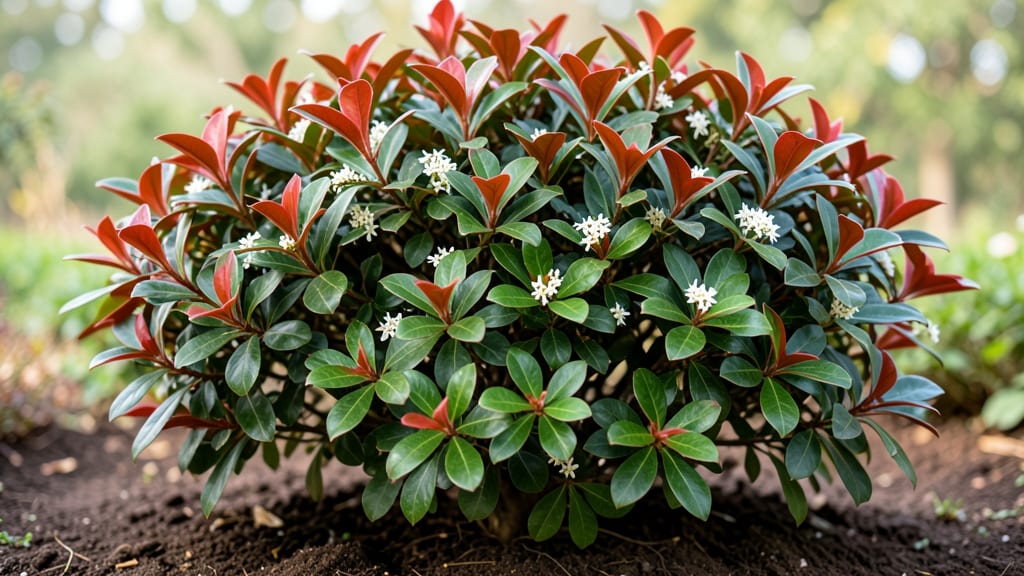
How tall do Red Tip Photinia grow? The answer isn’t as simple as the standard 10 to 15 feet—because your plant’s final height depends on the variety, your climate, and how you prune it.
Picture this: You plant a 3-foot shrub in spring, dreaming of a lush hedge or privacy screen.
But by year three, it’s towering over your patio, and you’re left wondering, Did I miss something? The answer lies in the variety, your climate, and how you prune—all of which can shrink or stretch that height dramatically.
Some varieties, like Little Red, stay compact at 6 to 8 feet, while others, like the standard Red Robin, will reach 15 feet without intervention.
And if you’re in USDA Zone 6a, where winters can stunt growth, your plant might never hit its full potential unless you adjust care.
In this guide, I’ll break down the exact heights by variety, how to control growth naturally, and the simple pruning tricks that keep your Red Tip Photinia 🌿 at your ideal height—without sacrificing its stunning red-tipped foliage.


Red Tip Photinia mature height by variety: exact growth expectations
Red Tip Photinia (Photinia fraseri 'Red Tip') is one of the most popular ornamental shrubs for its vibrant red new growth and glossy foliage. But if you're planning your landscape, knowing the exact mature height by variety is key to avoiding overcrowding or underwhelming visuals.
Some varieties grow as tall as a 12-foot hedge, while others stay compact enough for container gardening. Let’s explore the precise height ranges for the most common cultivars.
The standard Red Tip Photinia typically reaches 10 to 15 feet tall at maturity, but this varies significantly by variety. Dwarf cultivars like Little Red stay under 6 feet tall, making them perfect for small gardens or foundation plantings.
Meanwhile, the fast growth rate of 12 to 24 inches per year means your shrub could hit its mature height in just 5 to 10 years—depending on growing conditions and pruning habits.
Here’s the critical comparison you need before selecting your variety:
Pruning plays a huge role in controlling height. If you want to keep your Red Robin at 8 feet instead of 12, prune back 1/3 of new growth in late winter or early spring.
For dwarf varieties like Little Red, minimal pruning is needed—just remove dead or crossing branches to maintain shape. Over-pruning can stress the plant and reduce its vibrant red foliage, so always aim for selective trimming rather than drastic cuts.
Another factor affecting height is soil quality and sunlight. Red Tip Photinia thrives in well-draining, slightly acidic soil (pH 5.0–6.5) with full sun to partial shade. In shady conditions, growth slows, and the plant may stay shorter but also produce less vibrant foliage.
For maximum height, plant in full sun with rich, organic soil and mulch annually to retain moisture and nutrients.
If you’re unsure which variety fits your space, consider spacing requirements. For example, Red Robin needs 8–10 feet between plants to reach its full height, while Little Red can be planted 3–4 feet apart for a dense, low hedge.
Always check the mature spread in our comparison table to avoid future overcrowding issues.
One common mistake is assuming all Red Tip Photinia grow the same. The dwarf varieties are often sold as "miniature" versions, but their growth rates can still surprise new gardeners.
For instance, Emerald Gaiety might look small in its first year but can double in height by year three if given ideal conditions. Plan accordingly by monitoring growth and adjusting pruning as needed.
For container gardening, choose dwarf or semi-dwarf varieties like Little Red or Dwarf Red Tip. These stay under 5 feet tall and thrive in 15–20 gallon pots with proper drainage. Use a balanced fertilizer (10-10-10) every 4–6 weeks during spring and summer to encourage compact growth and vibrant color.
Remember, the first year’s growth is often the slowest. Your Red Tip Photinia might only gain 3–5 feet in its first year, but expect 1–2 feet of new growth annually after that.
With the right variety and care, you’ll have a stunning, height-controlled shrub that fits perfectly in your landscape design.
How growing zones and climate affect Red Tip Photinia height
Your Red Tip Photinia height depends heavily on your USDA growing zone and local climate. In warmer zones (7–9), these shrubs often reach their full 10–15 ft potential, while in cooler zones (3–6), harsh winters can stunt growth, keeping them shorter.
Even within the same zone, microclimates—like urban heat islands or sheltered yards—can push heights up or down by 2–3 feet.
Sunlight exposure also plays a critical role. Full sun (6+ hours/day) fuels rapid growth, while partial shade slows it down. Poor soil drainage or nutrient-deficient soil can further limit height, especially in dwarf varieties like Little Red, which may stay under 6 ft in suboptimal conditions.
Key factors influencing height:
- USDA Zone (3–9)
- Sunlight exposure (full sun vs. partial shade)
- Soil quality (drainage, nutrients)
- Winter hardiness (harsh vs. mild winters)
| USDA Zone | Avg. Mature Height | Climate Notes |
|---|---|---|
| 3–5 | 6–10 ft | Harsh winters stunt growth; prune aggressively to protect. |
| 6–7 | 8–12 ft | Moderate winters; full sun maximizes height. |
| 8–9 | 10–15 ft | Mild winters; minimal pruning needed for full growth. |
| 10+ | 12–18 ft | Tropical climates; may grow taller than standard varieties. |
For example, in Zone 7, a Red Robin typically hits 10–12 ft, but in Zone 4, it may only reach 6–8 ft due to winter dieback. If you’re in a cooler zone, plant near a south-facing wall to extend the growing season and encourage taller growth.
Soil quality matters too. Well-draining, slightly acidic soil (pH 5.5–6.5) helps roots absorb nutrients efficiently, while compacted or alkaline soil can limit height. Amend with compost or peat moss to improve growth in challenging zones.
Finally, pruning habits interact with climate. In warmer zones, light pruning in late winter keeps the shrub bushy, while in colder zones, severe pruning after winter dieback can encourage new growth. Always prune after flowering to avoid sacrificing next year’s red new growth.
By understanding these factors, you can predict and manage your Red Tip Photinia’s height—whether you want a tall hedge or a compact accent plant. 🌿