
How To
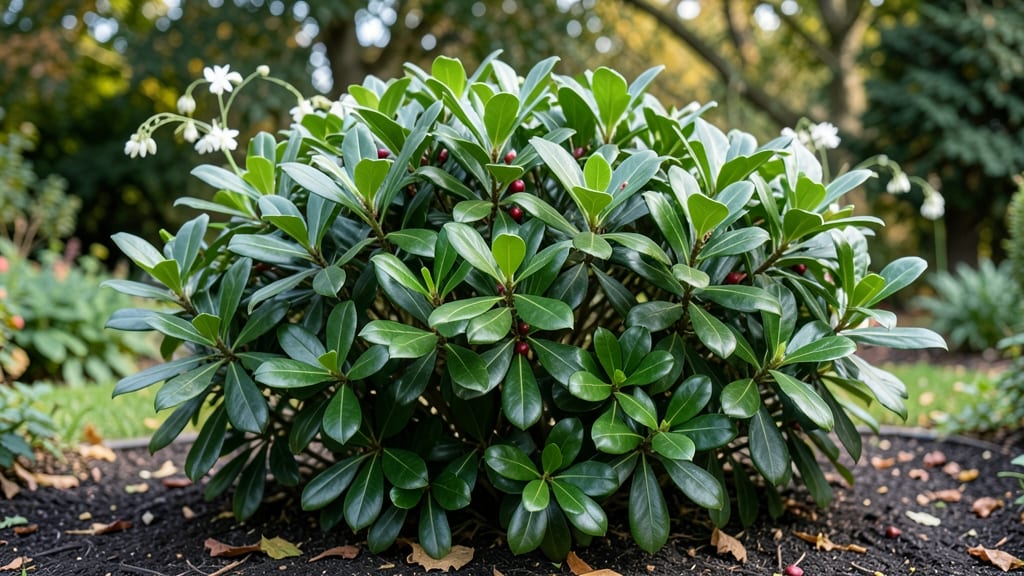
English Laurel grows to how tall does English Laurel grow a mature height of 10–20 feet—fast enough to outpace many backyard fences if left unchecked.
Wondering if your English Laurel will soon tower over your backyard fence? This evergreen staple grows at an impressive rate—but with the right pruning techniques, you can keep it at your ideal height while shaping it into a stunning hedge or tree.
In USDA Zone 6a, where spring planting is ideal, your English Laurel 🌿 typically hits 6–8 feet by its second year. Without pruning, it can easily reach 15+ feet by maturity, making it a powerhouse for privacy screens—but also a challenge if you prefer a smaller, more manageable shrub.
Below, I’ll break down how to control its height through strategic pruning, including the best tools, timing, and techniques to shape it into a formal hedge, a tree-like form, or even a topiary masterpiece.


Natural growth height of English laurel: what to expect in different climates
If you've planted an English laurel (Prunus laurocerasus), you're likely wondering how tall it will grow and whether it'll become the towering giant of your landscape. The good news?
This evergreen shrub offers flexible height potential, typically reaching 8 to 15 feet at maturity—but with the right care, you can shape it to fit your space perfectly. Understanding its natural growth patterns helps you plan for privacy screens, hedges, or even a striking specimen tree.
The growth rate of English laurel averages 1 to 2 feet per year, meaning it can reach 6 feet in just 3 years under ideal conditions. However, this rate slows as the plant matures, with older specimens adding only 6 to 12 inches annually.
Your local climate and sunlight exposure play a huge role in determining whether your laurel will lean toward the shorter end (8–10 ft) or the taller range (12–15 ft).
Sunlight exposure directly impacts how tall your English laurel grows. In full sun (6+ hours daily), expect faster vertical growth—up to 2 feet per year—but the plant may become leggy and sparse. For a compact, bushier shape, provide partial shade (3–6 hours of sun), which slows height growth while encouraging denser foliage. Coastal gardens often see taller laurels because of the moderate sunlight and humidity, while inland areas may need extra water to support similar growth rates.
If you're planting English laurel as a privacy screen, aim for 3–5 plants spaced 3–4 feet apart to create a 6-foot-tall barrier in 3–4 years. For a hedge along a fence, maintain it at 4–5 feet tall with regular pruning to avoid overgrowth.
Remember, pruning in late winter or early spring stimulates new growth, so time your cuts carefully if you want to control height.
In cooler climates (USDA zones 5–6), English laurels grow more slowly due to shorter growing seasons, often reaching only 8–10 feet without aggressive pruning. Meanwhile, in warmer zones (7–9), they can easily surpass 12 feet if left unchecked.
To encourage balanced growth, pinch back new shoots in early summer and avoid heavy pruning in fall, which can stimulate weak, frost-sensitive
Pruning techniques to control English laurel height and shape
Your English laurel (Prunus laurocerasus) can reach 10–20 feet tall if left unchecked, but strategic pruning keeps it at your desired height while encouraging lush, dense foliage. The key is timing—prune at the right season and use the correct techniques to avoid stressing your plant.
Whether you want a tidy hedge or a sculpted topiary masterpiece, mastering these methods will transform your garden.
Before grabbing your pruning shears, know that English laurel responds best to late winter or early spring pruning, just as new growth begins. This timing ensures you remove last year's growth while stimulating fresh, vibrant shoots.
For dramatic height reduction, you can also prune in summer, but avoid heavy cuts after mid-August to prevent weak growth before winter.
Step-by-Step Pruning Guide for English Laurel
- 1 Choose the right tools: Use sharp bypass pruners for clean cuts and a pruning saw for thicker branches. Disinfect tools with rubbing alcohol to prevent disease spread.
- 2 Plan your cuts: For height reduction, cut back 1/3 of the height at a time. Make cuts just above a leaf node or outward-facing bud to encourage bushier growth. Avoid cutting into old wood.
- 3 Shape your hedge: For formal hedges, use a hedge trimmer to create clean, straight lines. For informal hedges, leave a softer, layered look. Step back frequently to check symmetry.
- 4 Create topiary shapes: For topiary designs, start with a ball-shaped base and gradually refine. Use wire frames for complex shapes like spirals or animals, and trim regularly to maintain form.
- 5 Post-pruning care: Water deeply after pruning to reduce stress. Apply a balanced fertilizer (10-10-10) to support new growth. Mulch around the base to retain moisture and protect roots.
When shaping your English laurel, consider the growth habit of your variety. Some cultivars, like 'Rotundifolia', grow more compactly, while others, like 'Angustifolia', reach greater heights. If you're aiming for a privacy screen, allow branches to spread naturally while pruning selectively to maintain height.
For topiary enthusiasts, English laurel is an excellent choice due to its dense, glossy foliage and tolerance for heavy pruning. Start with a simple shape like a globe or cone, then progress to more intricate designs as you gain confidence.
Remember, patience is key—topiary takes time to perfect, but the results are worth it!
After pruning, monitor your English laurel for signs of stress, such as yellowing leaves or stunted growth. If you notice these, reduce watering slightly and avoid fertilizing until the plant recovers.
With proper care, your pruned laurel will reward you with vibrant new growth and a polished appearance all season long. 🌿