
How To
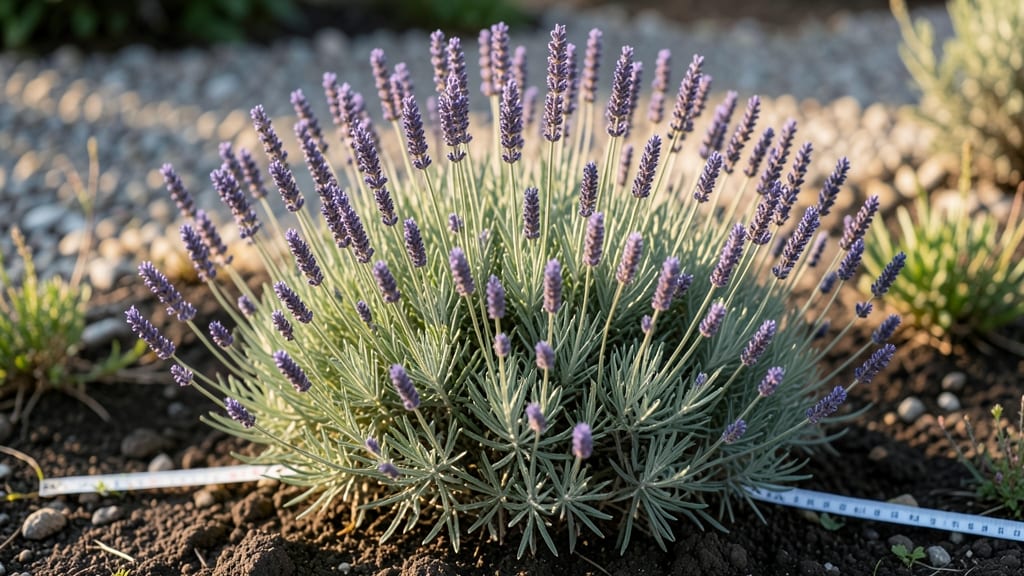
How tall lavender grows depends on the variety and care you provide—so whether you envision a fragrant border or a towering focal point, there’s a type for your space.
If you're dreaming of a fragrant, purple-hued garden but wondering whether lavender will tower over your patio or stay neatly contained, you're not alone—lavender height varies dramatically by variety, and choosing the right one can make all the difference.
Dwarf varieties like 'Hidcote' stay under 2 feet, perfect for edging or containers, while taller types like 'Grosso' can reach 5 feet or more, making them ideal for hedges or privacy screens.
Below, I’ll break down the key factors that influence lavender’s height—from sunlight and soil to pruning techniques—so you can grow the perfect-sized plant for your garden’s needs.


Lavender height by variety: compact vs. tall growing types explained
Choosing the right lavender variety is key to creating the perfect garden space—whether you want a low-growing border plant or a tall, fragrant statement piece. Lavender heights range from tiny dwarf varieties to towering giant shrubs, each with unique care needs.
Understanding these differences helps you plan spacing, companion plants, and even container sizes for your garden design.
The mature height of lavender depends entirely on its variety, with some reaching just 12 inches tall while others stretch over 5 feet. For example, English lavender like 'Hidcote' stays compact, while Spanish lavender varieties like 'Grosso' grow much taller.
Let’s break down the categories so you can pick the perfect fit for your space.
Dwarf lavender varieties like 'Hidcote' or 'Mini Blue' are perfect for small gardens or containers. Their 12-18 inch height makes them ideal for edging pathways or adding color to window boxes. These varieties also thrive in rock gardens where their compact form contrasts beautifully with larger plants.
If you're looking for medium-height lavender, varieties like 'Munstead' or 'Kew Red' reach 2-3 feet tall at maturity. These work well in mid-border planting or as pollinator magnets in cottage-style gardens. Their moderate height allows them to peek over shorter perennials while still being manageable in most garden layouts.
For a bold statement, tall lavender varieties like 'Grosso' or 'Provencal' can grow 3-5 feet tall. These are best planted at the back of borders or even as privacy screens in larger gardens.
Their woody stems and fragrant blooms make them a standout feature, but they require more space to avoid crowding other plants.
When planning your garden, consider not just the height of mature lavender but also its spread. Most varieties grow 1-2 feet wider than their height, so give them room to flourish.
For example, a 3-foot-tall lavender like 'Provence' will need 3-4 feet of space to prevent overcrowding and ensure good airflow.
Another key factor is growth habit. Some lavender varieties, like English lavender, grow in upright mounds, while others, like Spanish lavender, have more sprawling habits. This affects how you should prune and shape your plants.
For instance, upright varieties benefit from light pruning to maintain their form, while sprawling types may need more aggressive trimming to keep them compact.
If you're growing lavender in containers, choose dwarf or semi-dwarf varieties to avoid overcrowding. A 12-inch pot can comfortably hold a 1-foot-tall lavender like 'Hidcote,' while a 5-gallon container is better suited for 2-foot-tall varieties like 'Mun
How to control lavender height: pruning secrets for bushier, healthier plants
Lavender’s height isn’t set in stone—it’s shaped by your pruning habits. If your plants are stretching too tall or looking leggy, you’re not alone. Many gardeners struggle to keep lavender compact while encouraging dense, fragrant growth.
The key lies in timing, technique, and tools, all tailored to lavender’s natural growth cycle. With the right approach, you can transform a wild, sprawling shrub into a neat, bushy beauty that fits your garden vision.
Pruning lavender isn’t just about cutting back—it’s about encouraging new growth while preserving the plant’s health. Over-pruning or trimming at the wrong time can stunt growth or even kill your lavender. That’s why understanding when and how much to cut is crucial.
Whether you’re dealing with a dwarf variety like 'Hidcote' or a tall 'Grosso' plant, the principles remain the same: precision and patience yield the best results.
Step-by-Step Lavender Pruning Guide
-
Step 1: Choose the Right Time
Trim lavender in late spring or early summer (after flowering) or fall (before new growth starts). Avoid pruning in winter or early spring—this can damage tender new shoots.
-
Step 2: Gather the Right Tools
Use sharp, clean pruners or shears (sterilize with rubbing alcohol). Avoid hedge trimmers—they can crush stems and cause disease.
-
Step 3: Assess the Plant
Look for woody stems and dead or yellowing foliage. Remove these first—they won’t regrow and can spread disease.
-
Step 4: Cut Back Strategically
For bushier growth, trim back 1/3 of the plant’s height (e.g., cut 'Grosso' lavender from 4 ft to 3 ft). For dwarf varieties, trim just the tips of leggy stems to encourage branching.
-
Step 5: Shape for Fullness
Trim outer stems first to open up the center. Avoid cutting into old wood—this won’t regrow. Aim for a rounded, compact shape.
-
Step 6: Clean Up and Mulch
Remove all clippings and mulch around the base with gravel or coarse sand to improve drainage and prevent rot.
One of the biggest mistakes gardeners make is pruning lavender too late in the season. If you trim in late summer or fall, new growth won’t have time to harden off before winter, leaving your plant vulnerable to frost damage.
Similarly, over-trimming in spring can delay flowering and reduce the plant’s ability to store energy for the next season. Always prioritize timing over aggressive cuts.
To encourage a fuller, more compact shape, focus on selective pruning rather than shearing. Lavender responds best to targeted cuts that remove only the oldest stems and promote new growth from the base.
For example, if your 'English lavender' is stretching toward the sun, trim the tallest stems by 1/3 and leave the shorter ones intact. This creates a natural, layered look while keeping the plant dense and fragrant.
Finally, don’t forget that lavender thrives on neglect. Over-fertilizing or watering too frequently can lead to soft, leggy growth that’s prone to flopping. Instead, focus on well-draining soil, full sun, and minimal intervention.
With the right pruning habits, your lavender will reward you with years of vibrant blooms and heavenly scent—all while staying at the perfect height for your garden.