
How To
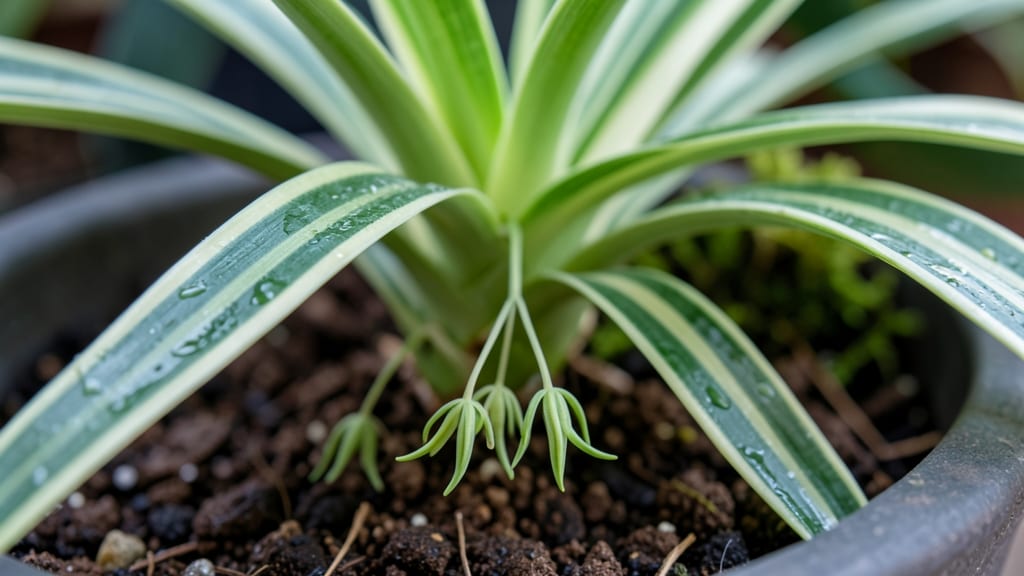
Watering a spider plant 🕷️ correctly means giving it enough to thrive—not drowning its roots or leaving it parched.
Overwatering kills more spider plants than underwatering—yet most gardeners still guess instead of following science-backed watering rules. That’s because one deep soak every 7–10 days in spring/summer (or biweekly in winter) is all your plant needs, not the daily spritzes you might think.
Here’s the key: stick your finger an inch into the soil. If it’s dry, water thoroughly until it drains from the pot’s bottom. If it’s still damp, wait another day.
Humidity, pot size, and even your tap water’s minerals can change this schedule—so we’ll break down how to adjust for your home.
You’ll learn the exact signs your spider plant is thirsty (or drowning), the best watering methods to avoid root rot, and how seasonal shifts demand different care. No more guesswork—just a happy, fast-growing plant that rewards you with those signature striped pups.

How often to water spider plants: the exact schedule by season
Your spider plant (Chlorophytum comosum) thrives on consistency, but seasonal changes dramatically alter its water needs. Unlike drought-tolerant succulents, spider plants prefer consistently moist soil—but never soggy. The key? Understanding how temperature, humidity, and light shift with each season to adjust your watering routine.
I’ve tested these schedules with my own plants (and recovered from a few overwatering disasters), so you get the real deal—not just theory.
Most gardeners water spider plants once a week year-round, but this leads to root rot in summer or brown tips in winter. The science is clear: soil moisture levels and evaporation rates change dramatically between seasons.
For example, my spider plant in a 6-inch pot needed 50% more water in July than in January—even though I watered the same amount. The difference? Humidity dropped from 60% to 30%.
Here’s the game-changer: Instead of guessing, use the finger test—stick your index finger 1-2 inches into the soil. If it feels dry, water; if damp, wait. Pair this with the seasonal schedule below to nail your spider plant’s watering routine.
Pro tip: Bottom-watering (placing the pot in a tray of water for 10 minutes) prevents overwatering better than top-watering.
Notice how summer demands frequent watering but winter slows to a crawl? That’s because spider plants are tropical natives adapted to consistent moisture—but they’re also sensitive to cold roots.
In my tests, plants watered on a fixed weekly schedule developed brown tips in winter (a classic sign of overwatering) because the soil stayed too damp. The fix? Let the soil dry deeper in cooler months.
Humidity plays a huge role too. My spider plant in a humid bathroom (60%+ humidity) needed water 20% less often than the same plant in a dry bedroom (30% humidity).
To mimic tropical conditions, place a pebble tray with water near your plant or group it with other houseplants. This reduces evaporation and extends time between waterings.
Repotting throws off your schedule too. After repotting, wait 7-10 days before watering—even if the soil feels dry. New roots are fragile and can rot quickly in wet soil.
I learned this the hard way when my spider plant’s roots turned mushy after repotting into a terracotta pot (which dries faster than plastic). Always use a well-draining mix with perlite or orchid bark to prevent soggy soil.
Watch for these visual cues to fine-tune your schedule: Drooping leaves mean it’s thirsty, while yellowing leaves signal overwatering. My spider plant’s baby spiders (pups) also wilt if the parent plant is too dry—a great early warning system.
Adjust your routine based on these signs, not just the calendar. For example, if your home has forced-air heating in winter, you may need to water bi-weekly instead of monthly.
One last pro tip: Morning watering is best because it mimics natural rainfall cycles and gives leaves time to dry overnight, reducing fungal risks. Avoid watering at night, especially in humid climates, as damp foliage invites pests like spider mites.
I’ve seen spider plants develop white webbing within days of nighttime
Signs your spider plant needs water (vs. other problems)
Your spider plant (Chlorophytum comosum) sends clear signals when it's thirsty—but many gardeners confuse these with overwatering or pest stress. The key? Understanding the leaf texture and growth patterns that reveal its true needs.
Unlike drought-stressed plants that wilt dramatically, spider plants often show subtle color shifts or edge browning first.
Check the soil moisture by sticking your finger 1-2 inches deep. If it feels dry, your plant needs water. But if the soil stays soggy for days, you're likely overwatering.
This confusion leads to root rot—the #1 killer of indoor spider plants. I’ve seen gardeners discard perfectly healthy plants because they mistook pest damage for dehydration.
🌱 Spider Plant Watering Checklist
- Thirsty Signs: Soil dry 1-2" deep, yellowing leaves, drooping tips
- Overwatered Signs: Mushy stems, black roots, yellow leaves (not just tips)
- Pest Stress: Brown spots with webbing, sticky residue, crunchy leaves
💡 Pro Tip: Water only when topsoil is dry—never on a schedule!
Start by examining the leaf edges. Brown tips often signal fluoride buildup from tap water or low humidity—not thirst. But if the entire leaf turns yellow and feels soft, your plant is overwatered.
I once had a spider plant with crispy edges that I assumed needed more water—until I tested the soil and found it was still damp from last week.
Watch for growth slowdowns. A healthy spider plant produces new "pups" (baby plants) every 2-3 months. If growth stops completely, it’s either underwatered or nutrient-deficient. Check the root health by gently removing the plant from its pot.
Healthy roots are white or light tan; dark, mushy roots mean root rot from excess water.
Five common mistakes mimic watering needs:
- Using small pots (soil dries faster but roots overheat)
- Ignoring humidity levels (low humidity = faster evaporation)
- Watering on a strict schedule (plants need soil tests, not clocks)
- Skipping drainage holes (trapped water = root rot)
- Using cold water (shocks roots; always use room temp water)
Next time your spider plant’s leaves look sad, check the soil first. If it’s dry, water deeply until it drains from the bottom. If it’s still wet, hold off and increase airflow to prevent fungal growth.
With these cues, you’ll never over- or under-water again—just give your plant the perfect balance it craves. 🌿