
Plants
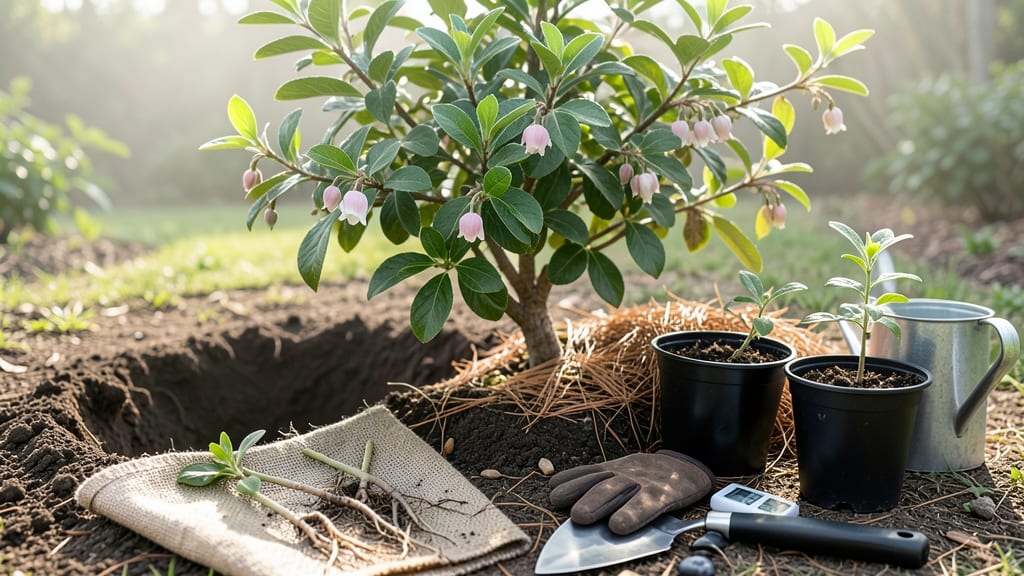
Planting blueberries in Zone 6 at the right time ensures your 🫐 shrubs establish strong roots and produce bountiful harvests for years to come.
If you've ever watched your blueberry bushes struggle because you planted them too early or too late, you know timing is everything. In Zone 6, getting it wrong can mean slower growth, fewer berries, or even plant failure.
But with the right approach, you can set your bushes up for success from day one.
For most gardeners in Zone 6, the ideal window is late April to early June, after the last frost date—typically around April 15. This gives the soil time to warm up and ensures your plants aren’t caught off guard by late spring frosts.
However, fall planting is also an option if you’re prepared to protect your shrubs from winter cold.
Below, I’ll break down the exact timing you need, soil prep tips, and how to choose the best varieties for your Zone 6 climate. Whether you’re a first-time grower or looking to refine your method, these insights will help you plant with confidence.
Best planting windows for blueberries in Zone 6
Timing your blueberry planting in Zone 6 is crucial because these shrubs need time to establish roots before summer heat arrives. The ideal planting window spans from late spring to early summer, but fall offers a secondary opportunity.
Understanding your local last frost date (typically around April 15 in Zone 6) helps determine the perfect moment to plant.
Blueberries thrive when planted after the soil warms to at least 40°F, which usually occurs 4-6 weeks after the last frost. This timing ensures roots establish before the plant enters its peak growing phase.
In Zone 6, this typically means late April to early June for spring planting.
While spring is the preferred window, fall planting (late August to early September) can also work if you choose bare-root plants. Fall-planted shrubs benefit from cooler temperatures and establish roots before winter dormancy. However, avoid planting too late—roots need 4-6 weeks to harden off before frost.
Here’s a quick comparison of your planting options in Zone 6, including key factors like soil temperature, frost risk, and root establishment:
| Planting Window | Soil Temperature | Frost Risk | Root Establishment | Best For |
|---|---|---|---|---|
| Late April - Early June | 40°F+ | Low (after last frost) | 6-8 weeks before summer heat | Potted or bare-root plants |
| Late August - Early September | 50°F+ | Moderate (before first frost) | 4-6 weeks before dormancy | Bare-root plants only |
For spring planting, aim to get your blueberries in the ground by early June to avoid summer stress. If you’re using container-grown plants, you can extend the window slightly later, but avoid planting after June 15 to prevent heat shock.
Always check your local USDA Zone 6a/6b frost dates—some microclimates may vary by 1-2 weeks.
Fall planting requires careful timing to avoid winter damage. Plant bare-root blueberries in late August, giving roots time to establish before the ground freezes. Avoid fall planting if your first frost is predicted within 4 weeks—roots won’t have enough time to harden off.
Use mulch (like pine straw) to insulate the soil and protect young roots.
One common mistake is planting too early in spring, when soil is still cold and frost can damage tender roots. Wait until the soil temperature consistently stays above 40°F for at least a week. Use a soil thermometer to monitor—this small tool can save your plants from failure.
If you’re unsure about your local frost dates, consult your Cooperative Extension Service or use online tools like the National Weather Service. These resources provide hyper-local data that’s more accurate than general Zone 6 averages.
For example, southern Zone 6 areas (like parts of Virginia) may have earlier last frosts than northern Zone 6 (like upstate New York).
Pro tip: If you’re planting multiple blueberry bushes, stagger your planting dates by 2-3 weeks. This ensures a longer harvest window and reduces stress on your plants if one batch struggles.
For example, plant half in late April and the rest in early May. This technique also helps manage pests and diseases by diversifying growth stages.
Remember, blueberries are perennial plants, so getting the timing right now means years of low-maintenance harvests. Once established, they’ll reward you with sweet, juicy berries for decades—just don’t rush the planting process! 🫐
How to prepare your Zone 6 soil for blueberry planting success
Blueberries thrive in acidic soil with a pH between 4.5 and 5.5. In Zone 6, most native soils are too alkaline, so preparation is key. Before planting, test your soil's pH using a home test kit or send a sample to your local extension office for professional analysis.
If your soil is too alkaline, you'll need to lower the pH using organic amendments. Peat moss and sulfur are the most effective options.
Mix 2-3 inches of peat moss into the top 12 inches of soil at least 2 months before planting to allow time for the pH to adjust naturally.
Blueberries also require well-draining soil to prevent root rot. If your soil is heavy clay, improve drainage by mixing in compost and sand (50/50 ratio) or creating a raised bed. Organic matter like compost or well-rotted manure improves soil structure and provides essential nutrients.
- 🌱 Step 1: Test Soil pH
- Use a soil pH test kit to check current levels. Aim for 4.5-5.5 for optimal blueberry growth.
- 💧 Step 2: Adjust pH with Peat Moss
- Mix 2-3 inches of peat moss into the top 12 inches of soil 2 months before planting.
- 🪴 Step 3: Improve Drainage
- Add compost and sand (50/50) to heavy clay soils or use raised beds for better drainage.
- 🌿 Step 4: Mulch with Pine Needles
- Apply 3-4 inches of pine needle mulch to maintain acidity and suppress weeds.
- ✂️ Step 5: Plant at Correct Depth
- Plant blueberry bushes with roots 2-3 inches below soil level to encourage strong root growth.
After preparing the soil, mulch heavily with pine needles or pine bark to maintain acidity and retain moisture. Pine straw mulch is especially effective because it naturally lowers soil pH over time.
Apply a 3-4 inch layer around the base of your blueberry plants, keeping it 2-3 inches away from the stem.
Finally, consider planting blueberries in containers if your native soil is too alkaline or poorly draining. Use a specialized blueberry potting mix with peat moss and perlite for ideal growing conditions. Containers also allow you to control soil conditions more precisely.
With the right soil preparation, your Zone 6 blueberries will establish strong roots and produce abundant fruit for years to come. Don't skip the soil test—it's the first step to a successful harvest! 🫐