
Fertilization
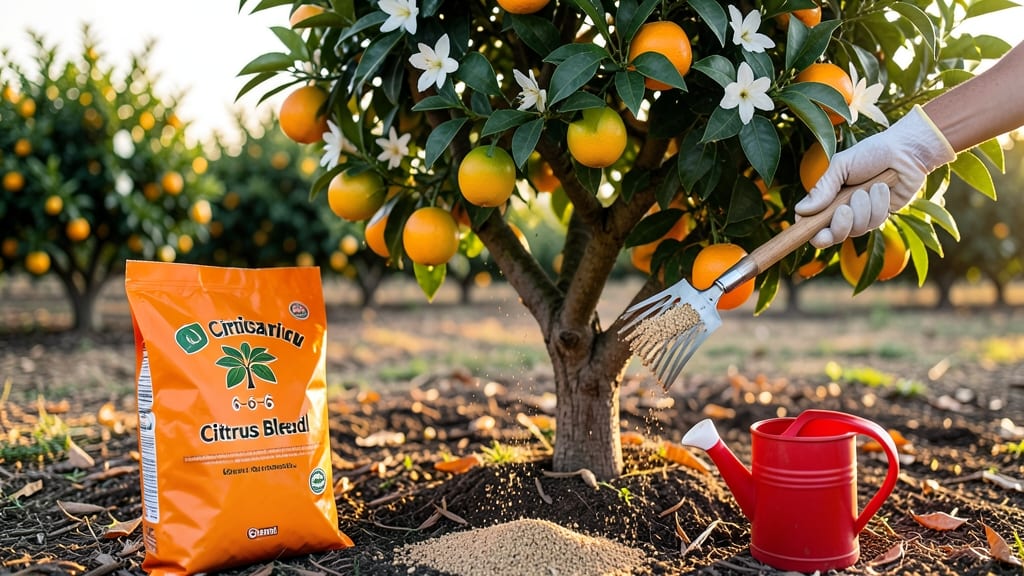
Fertilizing orange trees at the right times—spring and fall—is the key to lush foliage and sweet fruit 🍊, but many gardeners overlook the seasonal nuances that make all the difference.
Picture this: You’ve spent months nurturing your orange tree, only to watch it struggle with yellowing leaves or stunted growth. The culprit? Fertilizing at the wrong time—like during dormancy or peak summer heat—can actually harm your tree instead of helping it.
Timing matters more than you think, and a few simple adjustments can transform your tree’s health.
In this guide, I’ll break down the science-backed schedule for fertilizing your orange tree, including when to feed in USDA Zone 9b, how often to apply fertilizer, and what signs to watch for to avoid over- or under-feeding.
Whether you’re a seasoned gardener or just starting with citrus, these tips will help you maximize fruit production and keep your tree thriving year-round.
You’ll also discover the best fertilizer types for orange trees—organic vs. synthetic—and how to adjust your routine based on your local climate. Let’s get your tree the nutrients it needs, exactly when it needs them.

Optimal fertilization schedule for orange trees by season
Fertilizing your orange tree at the right time is the difference between a tree bursting with fruit and one struggling to survive. Unlike many plants, citrus trees have specific seasonal needs—over-fertilizing in winter or skipping spring feedings can send your tree into decline.
The key is understanding how your tree's growth cycle aligns with climate zones and nutrient demands.
In USDA Zone 9b (where most orange trees thrive), the ideal schedule focuses on two critical windows: early spring to fuel new growth and late summer to prepare for fruit production.
However, if you live in colder regions like Zone 8a or below, you'll need to adjust timing to avoid fertilizing when the tree is dormant. Let's break down the science-backed approach for both warm and cool climates.
🌱 Did You Know? Orange trees are heavy feeders but sensitive to salt buildup from fertilizers. Always water deeply after applying to flush excess salts away from roots.
| Season | Climate Zone | Fertilization Time | Frequency | Key Notes |
|---|---|---|---|---|
| Spring | Zone 9b+ | February-March | Every 4-6 weeks | Use 6-6-6 NPK for balanced growth |
| Spring | Zone 8a- | April-May | Every 6 weeks | Wait until last frost risk passes |
| Summer | Zone 9b+ | June-July | Every 8 weeks | Reduce in extreme heat (90°F+) |
| Fall | All Zones | October-November | None | Tree enters dormancy—stop feeding |
| Winter | All Zones | December-February | None | Focus on watering only if drought occurs |
For Zone 9b+ growers, the spring feeding window (February-March) is non-negotiable. This is when your orange tree shifts from dormancy to active growth, demanding nitrogen for leaves and potassium for root development.
I recommend starting with a balanced citrus fertilizer (6-6-6 NPK) at half-strength to avoid shocking the tree. Apply it to the drip line (the edge of the tree's canopy) and water deeply to distribute nutrients evenly.
In cooler climates (Zone 8a and
Signs your orange tree needs fertilizer (and when to avoid it)
Your orange tree may be silently screaming for nutrients if you notice yellowing leaves between the veins or small, sparse fruit. These are classic signs of nutrient deficiency, often linked to low nitrogen or magnesium.
Healthy trees should have vibrant green leaves and a steady supply of oranges, so pay attention to these visual cues before reaching for the fertilizer.
However, not all leaf changes mean your tree needs feeding. Brown leaf tips or crispy edges could signal overwatering or salt buildup from excess fertilizer. Before adding more nutrients, check your tree's watering habits and soil drainage—sometimes less is more when it comes to citrus care.
- Drought conditions: Fertilizer burns roots when soil is dry.
- Extreme heat (above 90°F): Stress increases salt buildup risks.
- Winter months: Trees enter dormancy and need no nutrients.
Fertilizing during these times can stunt growth or even kill your tree. Always wait until spring (after last frost) or early summer for best results.
Poor fruit set is another red flag. If your tree blooms but few or no oranges develop, it may need phosphorus or potassium. These nutrients support flowering and fruiting. Try a balanced citrus fertilizer (like 6-6-6 NPK) applied in early spring when new growth begins.
Over-fertilizing is just as harmful as under-fertilizing. Signs include leaf drop, blackened roots, or white crust on soil surface. If you see these, flush the soil with water to dilute salts and avoid feeding for 3-6 months to let the tree recover.
For container-grown orange trees, fertilize every 4-6 weeks during growing season (March-September) but reduce by half in summer heat. Potted trees dry out faster, so monitor soil moisture closely—dry soil + fertilizer = root burn.
Pro tip: Test your soil every 2-3 years to check pH (ideal for citrus: 6.0-7.0). If your soil is too alkaline, your tree may struggle to absorb nutrients, no matter how much fertilizer you add. Amend with sulfur or peat moss if needed.