
Trees
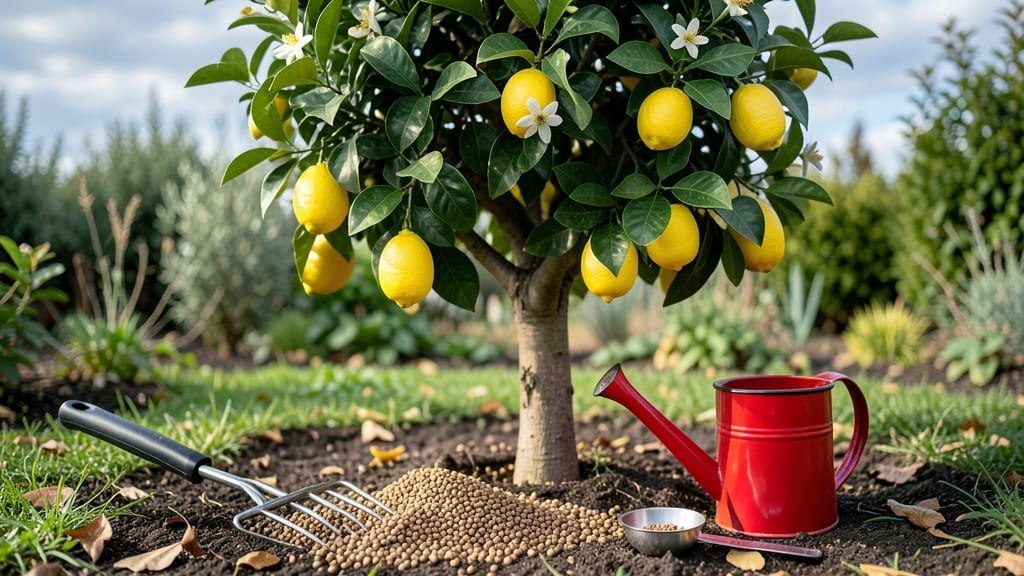
Fertilizing your citrus trees at the right time ensures strong roots, vibrant foliage, and a bountiful harvest—and skipping the wrong season can leave them struggling.
Picture this: You’ve just planted your Should 🌱, and you’re eager to see it thrive. But if you fertilize too early or too late, you might end up with weak growth or even root burn. The key is knowing when citrus trees are ready to absorb nutrients without stress.
Spring is the prime window—once soil warms and new growth begins—but summer and fall also play a role. Over-fertilizing in winter can shock the tree, while mid-summer feedings help sustain fruit production.
I’ll break down the exact schedule, soil tests to watch for, and how to pick the right fertilizer for your tree’s stage.
By the end, you’ll know not just when to fertilize, but how much and why it matters for trees in pots, in-ground, or even those battling drought. Let’s get your citrus trees growing like pros.

Best times to fertilize citrus trees for optimal growth
Citrus trees are finicky about feeding—too much fertilizer at the wrong time can burn roots or stress your tree, while too little leaves you with sparse fruit. The golden window for fertilization aligns with your tree's natural growth cycles, not just calendar months.
Understanding soil temperature thresholds and seasonal cues will help you avoid costly mistakes like summer heat damage from over-fertilizing.
Citrus trees respond best to fertilization when soil temperatures stay above 60°F (15°C) for at least 2-3 weeks. This typically happens in late winter to early spring in most growing zones. The key is to feed your tree just as new growth begins, usually when you notice fresh leaves emerging.
This timing ensures nutrients support root development and fruit set without overwhelming the tree during dormancy.
Spring is the most critical feeding window because citrus trees enter a rapid growth phase. A balanced fertilizer with equal nitrogen, phosphorus, and potassium (e.g., 6-6-6) encourages strong foliage and root systems. For organic gardeners, compost or fish emulsion applied in early spring provides slow-release nutrients that match the tree's uptake rate.
Many gardeners mistakenly fertilize citrus trees in summer heat, thinking they need extra nutrients for fruit production. However, high temperatures and intense sunlight can cause fertilizer salts to burn roots or lead to leaf scorch.
If you must feed during summer, use a light application of organic fertilizer in early morning or late evening when temperatures are cooler.
Fall fertilization is often overlooked but equally important. As your citrus tree prepares for winter, a light feeding in late summer or early fall (around September) helps store nutrients for next year's growth.
Use a fertilizer higher in potassium (e.g., 6-4-8) to strengthen cell walls and improve cold tolerance. Avoid fertilizing in winter months when the tree is dormant.
Here’s a quick reference for your citrus tree’s fertilization schedule, tailored to seasonal growth patterns and soil conditions:
Regional climate plays a huge role in fertilization timing. In warmer zones (USDA 9-11), like Florida or Southern California, citrus trees may stay active year-round, allowing for monthly light feedings during mild winters.
Conversely, in cooler zones (USDA 7-8), like parts of Texas or Arizona, fertilization should pause entirely during winter months when growth halts.
Young citrus trees (under 3 years old) need gentler feeding—half the recommended dose of mature trees—to avoid root burn. Use a slow-release fertilizer or organic matter like well-aged compost to prevent nutrient spikes.
Mature trees benefit from a two-part feeding schedule: a heavy dose in spring and a lighter one in fall.
Watch for signs of over-fertilization, such as yellowing leaves with brown tips or stunted growth. If this happens, flush the soil with water to leach excess salts.
For under-fertilized trees, look for pale green leaves or poor fruit set. Adjust your schedule based on these visual cues rather than sticking rigidly to a calendar.
Pro tip: Pair fertilization with deep watering to help nutrients reach the root zone. Water your tree thoroughly before and after applying fertilizer to prevent salt buildup in the soil. Mulching with organic matter (like straw or wood chips) also improves soil structure and retains moisture for better nutrient absorption.
By aligning your fertilization schedule with your citrus tree’s natural cycles, you’ll encourage healthier growth, better fruit production, and longer tree lifespan. Start with spring feeding, monitor your tree’s response, and adjust as needed—your citrus tree will thank you with vibrant foliage and juicy harvests! 🌿🍊
Step-by-step guide: how to fertilize citrus trees at the right time
Fertilizing your citrus trees at the right time ensures strong roots, vibrant foliage, and a bountiful fruit harvest. But with so many fertilizer types and application methods, it’s easy to feel overwhelmed. I’ll walk you through a simple, science-backed process tailored to your tree’s age and growing conditions.
Before you grab that bag of fertilizer, test your soil to determine what nutrients your citrus tree needs most. Citrus trees thrive in slightly acidic soil (pH 6.0-7.0), so adjust your fertilizer blend accordingly.
If your soil is already nutrient-rich, you might only need a light feeding every few months.
Step-by-Step Fertilization Guide for Citrus Trees
-
Step 1: Choose Your Fertilizer
Opt for a balanced citrus fertilizer (e.g., 6-6-6 or 8-3-9 NPK ratio) or an organic option like composted manure or citrus-specific organic blends. -
Step 2: Prepare the Soil
Loosen the top 6 inches of soil around the tree’s drip line. For container-grown citrus, mix fertilizer into the top 2 inches of potting mix. -
Step 3: Apply Fertilizer by Tree Age
Young trees (1-3 years): Use ½ teaspoon per year of age (e.g., 1.5 tsp for a 3-year-old tree).
Mature trees (4+ years): Apply 1-2 pounds per inch of trunk diameter (e.g., 2 lbs for a 2-inch trunk).
Container trees: Use ¼ teaspoon per gallon of soil every 4-6 weeks. -
Step 4: Water Thoroughly
Deep-water the tree after fertilizing to help nutrients penetrate the root zone. Avoid overhead watering, which can wash fertilizer away. -
Step 5: Schedule Applications
Spring (March-May): Feed every 4-6 weeks as new growth begins.
Summer (June-August): Reduce to every 8-12 weeks to avoid stress during heatwaves.
Fall (September-November): Light feeding once in early fall for root strengthening.
Winter (December-February): Skip fertilization entirely—citrus trees rest during cooler months.
For organic fertilizers, like compost or worm castings, apply a 2-3 inch layer of mulch around the tree’s base (keeping it 6 inches away from the trunk) to slowly release nutrients. This method is gentler on roots and improves soil structure over time.
If you notice yellowing leaves or stunted growth after fertilizing, you may be overdoing it. Flush the soil with water to leach excess salts, and reduce future applications by half. Citrus trees prefer consistency over excess—think quality over quantity!
Pro tip: Pair your fertilization routine with regular pruning to remove dead or overcrowded branches. This helps your tree focus energy on fruit production rather than maintaining unnecessary foliage. With the right timing and care, your citrus tree will reward you with juicy, homegrown fruit for years to come! 🌿🍊