
Plants
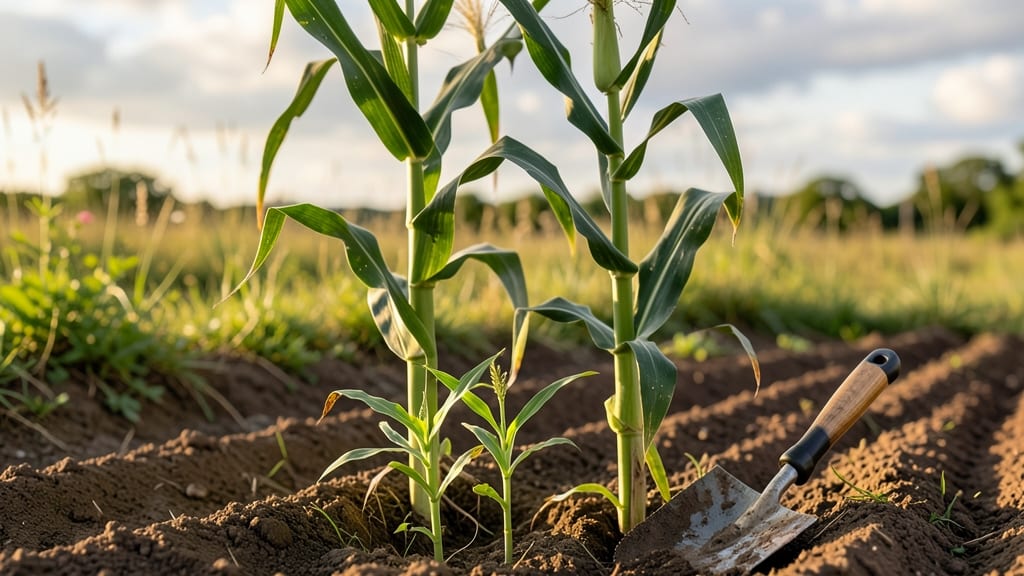
Planting corn in Florida at the right time means the difference between a bumper crop and a wilted disappointment—and the window is narrower than you’d expect.
Most gardeners assume Florida’s warmth means corn can go in anytime, but heat stress and pests turn seedlings to mush if you’re off by even a few weeks.
The ideal planting window shifts from March–May in North Florida to August–September in the South, with soil temps and humidity playing critical roles.
Here’s the breakdown: when to plant for your microclimate, how to prep soil for fast germination, and the one trick to beat Florida’s unpredictable weather—without losing your crop to drought or storms.
Skip the guesswork and learn the exact dates, varieties, and prep steps that work for your region, so you’re harvesting sweet 🌽 ears instead of fighting for survival.
Florida corn planting calendar by region: exact dates for fast germination
Corn loves Florida’s warmth, but timing matters to avoid heat stress or drought. Unlike northern states, Florida’s three distinct microclimates (North, Central, South) create unique planting windows. The key? Soil at 60°F+ and avoiding peak summer humidity. Let’s break it down by region so your corn sprouts fast and strong.
North Florida’s Panhandle (USDA Zones 8a-9a) has cooler winters and hotter summers. Here, spring planting starts March 15 and runs through May 1. Late summer planting begins August 1 for a fall harvest. Coastal areas near Pensacola can plant 1-2 weeks earlier due to milder winters.
Central Florida (Orlando/Tampa, Zones 9b-10a) enjoys longer growing seasons. Your best window is February 28 through April 30 for spring corn. For late summer, August 15 to September 15 works perfectly. Inland areas like Ocala may delay planting by 1 week to avoid early summer heatwaves.
South Florida (Miami/Keys, Zones 10b-11) can plant nearly year-round, but focus on January 15 to March 15 and August 1 to September 15. Coastal zones like Homestead can start 2 weeks earlier, while inland Everglades areas may wait until soil warms fully.
| Region | Spring Planting Window | Late Summer Window | Soil Temp Threshold | Microclimate Adjustment |
|---|---|---|---|---|
| North Florida (Panhandle) | March 15 – May 1 | August 1 – August 31 | 60°F+ | Coastal: 1-2 weeks earlier |
| Central Florida (Orlando/Tampa) | February 28 – April 30 | August 15 – September 15 | 60°F+ | Inland: delay 1 week |
| South Florida (Miami/Keys) | January 15 – March 15 | August 1 – September 15 | 62°F+ (warmer soil) | Coastal: 2 weeks earlier |
For fast germination, use black plastic mulch to warm soil 2-3°F faster. In North Florida, cover seeds with 1-2 inches of soil and keep moist. Central Florida’s humidity means thinning seedlings early prevents fungal rot. South Florida’s sandy soil? Add compost to retain moisture.
Pro tip: Plant ‘Peaches and Cream’ (sweet corn) in spring for summer harvests or ‘Silver Queen’ (drought-tolerant) in late summer. Both thrive in Florida’s heat but need consistent watering during tasseling (when pollen forms).
Adjust for hurricane season: If storms hit during planting, delay until September 15 in South Florida or October 1 in Central Florida. Use raised beds in flood-prone areas to improve drainage.
Remember: Daylight matters. Corn needs 12+ hours of daylight to pollinate. Plant spring corn before May 15 to avoid shorter summer days. Late summer plantings benefit from longer fall daylight for better ear development.
Test soil 1 week before planting—aim for pH 6.0-6.8. Add lime if needed (common in sandy Florida soil). For faster sprouts, soak seeds overnight before planting. Now grab your calendar and mark those dates!
🌽
5 Critical factors that determine your corn planting success in Florida
Florida’s corn planting success hinges on more than just picking a month—it’s about understanding microclimates, soil moisture, and even frost risk (yes, it happens!). While Florida rarely freezes, coastal breezes and humidity shifts can delay germination if you’re not prepared.
Let’s break down the five non-negotiable factors that separate a thriving crop from a failed experiment.
First, soil temperature is your #1 priority. Corn seeds need consistent 60°F+ soil to germinate—any cooler, and they’ll rot in the ground. In North Florida, this means waiting until mid-March, while South Florida gardeners can start as early as February.
Use a soil thermometer ($10 at garden centers) to avoid guesswork—trust me, your plants will thank you.
🌱
- Soil Moisture & Drainage
Florida’s sandy soil drains too fast—water disappears before roots absorb it. Amend with compost (2 inches) and use drip irrigation to keep soil evenly moist. Avoid overhead watering—it spreads fungal diseases like corn smut.
- Rainfall Patterns & Timing
Plant during dry spells—corn hates waterlogged soil. Check the NOAA 7-day forecast and aim for 3–5 days without rain after planting. If storms roll in, use shade cloth (30%) to protect seedlings from sunburn after heavy rain.
- Frost Risk (Yes, Even in Florida!)
While South Florida rarely sees frost, North Florida can drop to 30°F in winter. If planting late summer corn (August–September), use row covers or black plastic mulch to add 5–10°F protection. Monitor UF/IFAS frost alerts—they’re your early warning system.
- Mulch or Shade Cloth for Seedlings
Newly sprouted corn is delicate. Apply straw mulch (2–3 inches) to retain moisture and block weeds. For coastal areas, use shade cloth (20–30%) to shield seedlings from salty winds and intense afternoon sun. Remove cloth once plants reach 6 inches tall.
- Pre-Planting Soil Prep Checklist
Before planting, complete this Florida-specific checklist:
- ☑️ Test soil pH (aim for 6.0–6.8; amend with lime if needed)
- ☑️ Add compost (mix in 3–4 inches of aged compost)
- ☑️ Till 8–10 inches deep to break up sandy layers
- ☑️ Fertilize with 10-10-10 (1 cup per 10 sqft)
Pro tip: If you’re planting in June or July, choose heat-tolerant varieties like ‘Silver Queen’ or ‘Peaches and Cream’—they handle Florida’s 90°F+ temps better than sweet corn hybrids. And always plant in blocks, not rows, to ensure cross-pollination (corn is wind-pollinated, so 12+ plants guarantee good ears).
🌽