
Plants
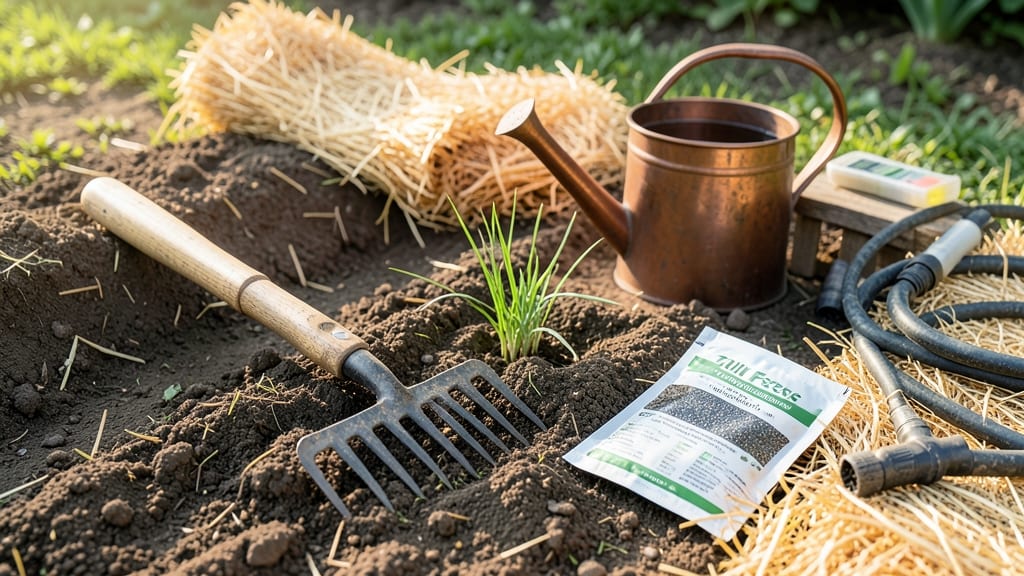
Planting grass seed in the spring when soil temperatures hit 55–65°F is the fastest way to a thick, green lawn by summer.
Timing matters more than you think—too early and frost zaps your efforts, too late and weeds take over. I’ve seen patchy lawns where the seedling was planted just two weeks too soon, and the difference between success and frustration often comes down to a simple soil thermometer check.
This guide covers the ideal planting window for your USDA Zone, how to prep soil for faster germination, and the three key signs your lawn is ready to thrive.
Skip the guesswork and learn exactly when to plant for a lush lawn—no more waiting months for results.
Ideal soil temperature ranges for planting grass seed in spring
Spring is the perfect time to plant grass seed, but getting the timing right means checking soil temperature, not just air temperature. Grass seeds need warmth to activate germination, but too much heat can dry them out before they sprout.
The ideal soil temperature range for planting depends on whether you're growing cool-season or warm-season grasses. Cool-season types like Kentucky bluegrass and fescue thrive when soil is between 40°F to 60°F, while warm-season grasses like Bermuda and Zoysia prefer 70°F to 75°F.
Most gardeners focus on air temperature, but soil temperature is the real game-changer. A chilly morning might feel perfect for planting, but if the soil is still below 50°F, your seeds could take weeks—or never—sprout.
The key is planting when the soil stays consistently warm enough for your grass type, not just when the last frost passes.
For example, in Zone 5, you might see frost in May, but the soil won’t warm up until June—planting too early can lead to patchy germination or seed rot.
To avoid guesswork, use a soil thermometer (available for under $10) to check temperatures at a 4-inch depth, where most grass roots establish. Take readings in the late afternoon when soil is warmest.
If your soil is still below the ideal range, wait a few days—rushing can turn your investment into a wasted seed budget. Pro tip: Test the soil in multiple spots, as sun exposure and soil type (sandy vs. clay) create microclimates even in small yards.
| Grass Type | Ideal Soil Temp (°F) | Best Planting Window | Germination Time | Regional Notes |
|---|---|---|---|---|
| Cool-Season Grasses | 40°F–60°F | Early spring (4–6 weeks before last frost) | 7–21 days | Zones 3–7: Plant March–April; Zones 8–10: Plant Sept–Oct |
| Warm-Season Grasses | 70°F–75°F | Late spring (after last frost) | 10–28 days | Zones 8–10: Plant May–June; Zones 3–7: Plant late May–June |
| Transition Zone Grasses (e.g., Tall Fescue) | 55°F–65°F | Early to mid-spring (when soil warms to 55°F) | 14–30 days | Zones 4–9: Plant April–May for best results |
If you’re unsure whether your soil is ready, here’s a quick DIY soil temperature test: Stick your finger about 4 inches deep into the soil. If it feels cooler than your wrist but not freezing, it’s likely in the 50°F–60°F range—ideal for cool-season grasses.
For warm-season types, the soil should feel warm to the touch, almost like a summer day. In cooler climates like the Pacific Northwest, you might need to wait until June for warm-season grasses to germinate properly.
Conversely, in hot climates like Texas or Arizona, planting too early in spring can lead to seed desiccation before roots establish.
Another critical factor is soil moisture and temperature balance. Even if the soil is warm enough, dry conditions can prevent seeds from germinating. Aim for moist but not soggy soil—think of a wrung-out sponge.
After planting, keep the soil consistently moist by watering lightly but frequently (every 1–2 days) until you see sprouts. Overwatering can cause seed rot, while underwatering leads to crusting that blocks new growth.
A gentle sprinkle in the morning is ideal, as it allows the soil to dry slightly during the day, reducing fungal risks.
Regional variations play a huge role in timing. For example, in Zone 5 (e.g., Chicago, Denver), cool-season grasses should go in by mid-April, while warm-season types like Zoysia won’t thrive until late May or June.
In Zone 9 (e.g., Los Angeles, Phoenix), warm-season grasses can be planted as early as March, but cool-season grasses are rarely used due to year-round warmth.
Always check your local frost dates and adjust by 2–4 weeks—early springs (like in 2024) can shift your planting window by several weeks.
One common mistake is planting based on air temperature alone. A sunny 70°F day might feel perfect, but if the soil is still 45°F at depth, your seeds will struggle. To avoid this, monitor soil temps for 3–5 consecutive days before planting.
If temperatures fluctuate wildly (e.g., 50°F in the morning and 70°F in the afternoon), wait for a stable warm-up period. This consistency is crucial for uniform germination across your lawn. If you’re in doubt, err on the side of waiting—patience now saves money later on replacement seed.
For gardeners in transition zones (Zones 4–7), where both cool- and warm-season grasses grow, timing is even trickier. A good rule of thumb is to plant cool-season grasses in early
Spring planting timeline by US growing Zones: month-by-month guide
Spring lawn planting success starts with understanding your USDA growing zone and local frost patterns. Coastal areas like Zone 8-10 often have earlier planting windows than inland Zone 3-5 regions. I've mapped out the ideal planting windows below, but remember: soil temperature (not calendar dates) determines true readiness.
For cool-season grasses (like Kentucky bluegrass or fescue), aim to plant 4-6 weeks before your last average frost date. Warm-season grasses (like Bermuda or Zoysia) should wait until after your last frost when soil hits 65°F+. Microclimates matter too—valleys stay colder while south-facing slopes warm faster.
Use the table below to find your zone's planting window, then adjust 1-2 weeks earlier for mild winters or 1-2 weeks later after late frosts. Pro tip: Check the National Weather Service's frost prediction maps for your county each year—they update monthly.
| Zone | Cool-Season Planting Window | Warm-Season Planting Window | Soil Temp Threshold | Key Adjustments |
|---|---|---|---|---|
| 3-4 | Late April - Early May | Mid-May - June | 50-55°F | Wait for consistent 50°F+ days |
| 5-6 | Early April - Mid-May | Late May - Early June | 55-60°F | Coastal areas: 2 weeks earlier |
| 7-8 | Mid-March - Early April | April - May | 60-65°F | Inland: wait until May for warm-season |
| 9-10 | February - Early March | March - April | 65-70°F | Northern Zone 10: avoid summer planting |
In Zone 3-4, I've seen gardeners rush planting in March only to hit frost again—wait until soil warms to 50°F consistently for 5 days. For Zone 9-10, early February planting works if you're establishing warm-season grasses, but cool-season types like ryegrass need to wait until March.
Always test soil with a $10 thermometer buried 4 inches deep.
Microclimates create big differences: A south-facing lawn in Zone 6 might be ready by April 1, while a north-facing yard could need to wait until May 1. Use shade patterns as clues—if your yard stays damp late into spring, it's likely colder.
For high-altitude areas (even in Zone 7), plant 2 weeks later than the table suggests.
If your spring brings unpredictable weather, use biodegradable mulch (like straw) to protect new seedlings from late frosts. And remember: seed viability drops after 1 year, so check your packet's date before planting.
For late springs, consider winter ryegrass as a temporary cover—it germinates at 35°F and protects soil until warmer grasses are ready.