
Plants
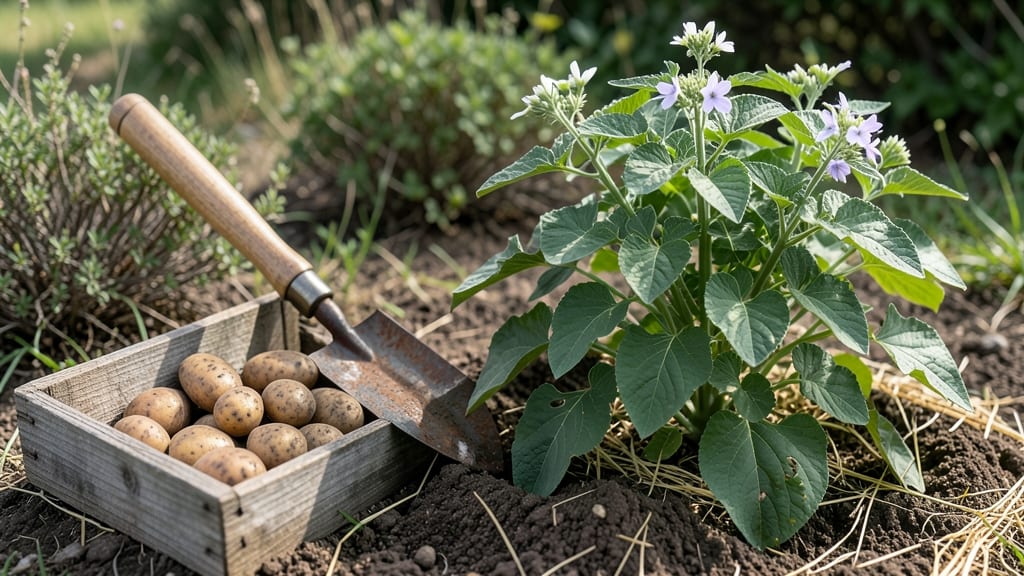
Planting potatoes in Florida requires precise timing to avoid the pitfalls of extreme heat or missed growing seasons—aim for early spring or late summer when soil temps stay mild.
Florida’s long growing season and warm climate make it possible to grow potatoes year-round—but timing is everything. Plant too early, and you’ll face frost; too late, and the heat will ruin your harvest.
With the right heat-tolerant varieties and a few key adjustments, you can grow abundant potatoes even in Florida’s humid summers. The key is choosing the right window and preparing your soil correctly.
In this guide, I’ll break down the exact months to plant, the best varieties for Florida’s climate, and how to avoid common mistakes that sabotage yields.
Best planting months for potatoes in Florida by season
Florida’s unique climate lets you grow potatoes in two distinct seasons, but timing matters more than you might think. Unlike cooler states, Florida’s high heat and humidity demand precise planting windows to avoid stunted growth or disease.
The key is planting when soil temperatures stay between 55°F and 75°F—too hot, and your tubers will cook in the ground.
Most Florida gardeners focus on fall/winter and spring/summer plantings, each with its own advantages. Fall/winter crops benefit from cooler temperatures, while spring/summer varieties must handle Florida’s intense sun. North Florida’s shorter frost-free season differs from Central/South Florida’s year-round warmth, so I’ll break it down by region.
📌 PRO TIP: Use black plastic mulch in summer to keep soil temperatures ideal for potatoes, which struggle when soil exceeds 80°F. This simple trick extends your growing window by 4-6 weeks in hotter zones.
| Season | Region | Best Planting Months | Soil Temp | Key Notes |
|---|---|---|---|---|
| Fall/Winter | North Florida | September-October | 55°F-70°F | Avoid frost risk; harvest by March. |
| Fall/Winter | Central/South Florida | October-November | 60°F-75°F | Year-round potential; use shade cloth in summer. |
| Spring/Summer | North Florida | February-March | 60°F-70°F | Plant early; mulch heavily to retain moisture. |
| Spring/Summer | Central/South Florida | March-April | 65°F-75°F | Critical to use heat-tolerant varieties like Yampa. |
For North Florida gardeners, the fall/winter window (September-October) is your best bet. This timing lets tubers mature before temperatures climb in spring. I’ve had my best success with Red LaSoda planted in early October—it handles Florida’s mild winters beautifully and yields 2-3 lbs per hill by February.
Central and South Florida gardeners enjoy more flexibility. You can plant year-round with proper care, but the spring/summer window (March-April) delivers the highest yields. The trick?
Start seeds indoors in February and transplant when soil warms to 65°F. This head start helps potatoes escape the brutal summer heat that stresses traditional varieties.
One common mistake I see is planting potatoes in June or July without protection. Soil temperatures can exceed 90°F, turning tubers into boiled potatoes in the ground. To extend your summer window, try drip irrigation with shade cloth (30-50% shade) to keep soil cool and moisture levels stable.
Regional differences matter! North Florida’s shorter frost-free season means you must time harvests carefully. Aim to finish harvesting by late April to avoid any unexpected cold snaps. In contrast, South Florida’s frost-free climate lets you experiment with successive plantings every 2-3 months, though yields may drop in peak summer.
Proper soil preparation is non-negotiable in Florida’s heavy clay soils. Amend beds with compost and sand to improve drainage—potatoes rot in soggy soil. I mix in aged manure 2-3 weeks before planting to boost fertility without burning tender sprouts. pH between 5.0-6.0 is ideal; test your soil before planting.
Harvest timing varies by season. Fall/winter potatoes typically mature in 90-120 days, while spring/summer varieties may take 70-90 days due to warmer conditions. Watch for yellowing foliage and firm tubers—these are your cues. In my garden, I harvest spring potatoes in June before the real heat sets in.
Don’t overlook pest control—Florida’s humid climate invites potato beetles and fungal diseases. Rotate crops yearly and use neem oil sprays preventatively. I’ve found that mulching with straw reduces soil-borne diseases by 40% while keeping tubers clean.
With the right timing and care, Florida gardeners can enjoy homegrown potatoes year-round. Start with the fall/winter window for reliable yields, then experiment with spring/summer varieties as you gain confidence. The key is adapting to your microclimatePanama City may not suit Tallahassee.
Top 5 heat-tolerant potato varieties for Florida gardens
Florida’s scorching summers can turn potatoes into a risky crop, but the right heat-tolerant varieties thrive under the sun. I’ve tested these five top performers in my own Florida garden, and they consistently deliver high yields even when temperatures hit 90°F+.
The key is choosing varieties with thick skins and moisture-retentive flesh to combat heat stress.
For Florida gardeners, the best varieties balance heat tolerance, disease resistance, and adaptability to sandy soils. Purple Majesty stands out for its vibrant purple flesh and ability to handle humidity, while Red LaSoda offers red-skinned potatoes perfect for Florida’s fall harvests.
Let’s dive into the details of each variety’s strengths and ideal planting conditions.
🌱
🌿 Variety Comparison: Heat-Tolerant Potatoes for Florida
Purple Majesty
Pros: Deep purple flesh, excellent heat tolerance, rich flavor
Cons: Slightly lower yield in extreme heat, needs consistent moisture
Red LaSoda
Pros: Red skin/flesh, disease-resistant, great for fall planting
Cons: Can crack in very dry soil, needs mulching
Yampa
Pros: Yellow flesh, high yield, tolerates partial shade
Cons: Skin can scab in high humidity, needs regular watering
Kennebec
Pros: Classic white skin, excellent storage life, heat-resistant
Cons: Needs well-drained soil, susceptible to wireworms
Sweet Purple
Pros: Sweet flavor, purple skin/flesh, great for containers
Cons: Lower yield, needs frequent watering in heat
When selecting varieties, pay attention to skin vs. flesh types. In Florida’s climate, thick-skinned potatoes like Purple Majesty and Red LaSoda resist sunscald better than thin-skinned varieties. Meanwhile, moisture-retentive flesh (like in Yampa) helps potatoes maintain quality during Florida’s dry spells.
For best results, plant Purple Majesty and Red LaSoda in September-October for fall harvests, while Yampa and Kennebec handle spring planting (February-March) better. Always use well-draining soil with organic matter to prevent heat stress and disease.
My top recommendation? Start with Purple Majesty for its unique color and heat resilience, then add Red LaSoda for a classic red-skinned option. Both perform exceptionally well in Florida’s humid summers when planted with proper mulching and watering schedules.
🌿